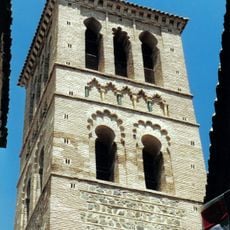
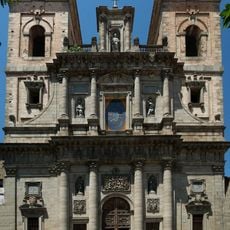
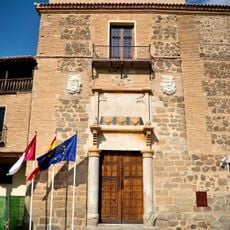
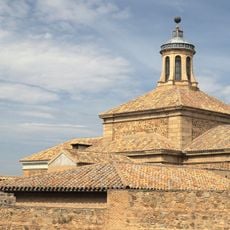
Convento de San Clemente, Religious building in Toledo, Spain
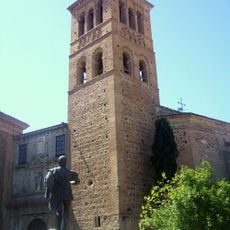
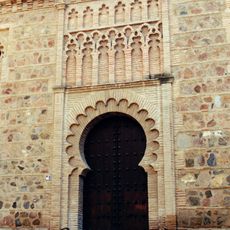
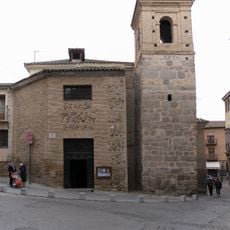
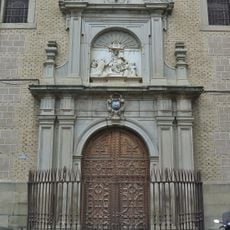
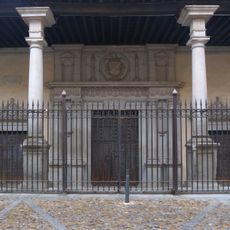
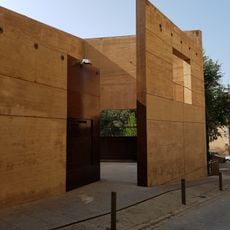
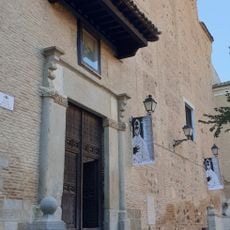
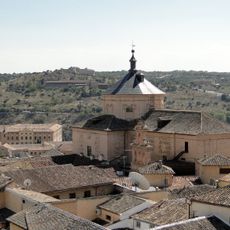
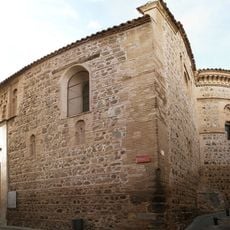
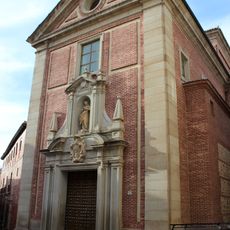
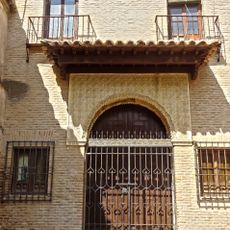
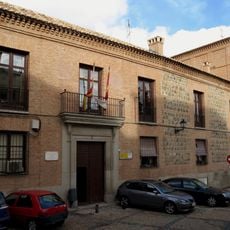
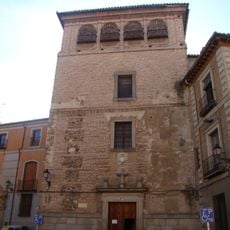
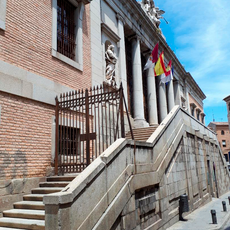
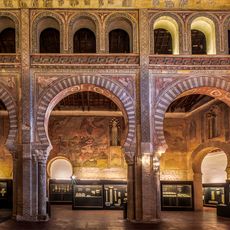
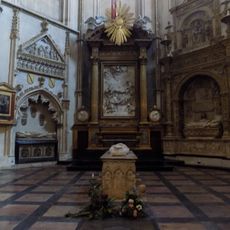
Convento de San Clemente occupies a full city block in Toledo, with a church, two cloisters, a chapter house, a refectory, a Roman cistern and a museum. The church has a single nave with star-ribbed vaults and a headwall designed by Alonso de Covarrubias. The chapter house has a wooden ceiling and Mudéjar tile benches.
The convent was founded initially outside the city walls after the Reconquista, but was relocated within Toledo during the reign of King Alfonso VII in the 12th century. This move reflected the growing importance of the location and the community's needs in the urban center.
The marzipan sold here is still made by the nuns to the recipe tradition places in this house: after the battle of Las Navas de Tolosa in 1212, with hunger across the region, they mixed the sugar and almonds they had left. The name is traced to the maza used to pound the almonds, and the original bowl is kept in the convent museum.
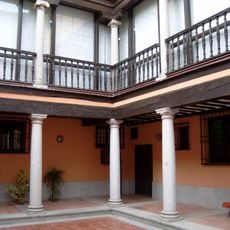
Only the church, with its single nave and star-ribbed vaults, is outside the cloistered area; the chapter house, the Patio de las Procesiones and the Patio del Refectorio belong to the enclosed convent. The San Clemente Cultural Centre, run by the Toledo Provincial Council, occupies part of the complex. The marzipan museum keeps the bowl in which the sweet was first made.
Beneath the building lies a preserved Roman cistern that provides direct access to earlier layers of the city. This underground structure shows how Roman infrastructure was later incorporated into Christian structures.
The community of curious travelers
AroundUs brings together thousands of curated places, local tips, and hidden gems, enriched daily by 94,485 contributors worldwide.