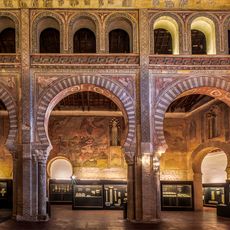
Convento de Santa Clara la Real, Toledo, Mudéjar convent in Toledo, Spain
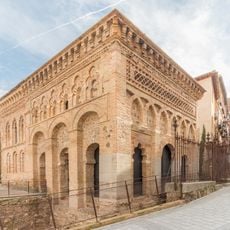
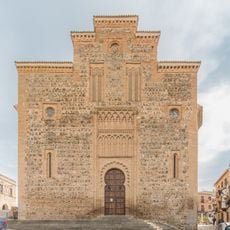
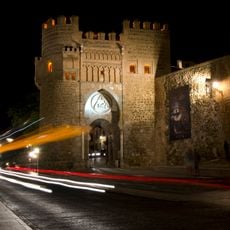
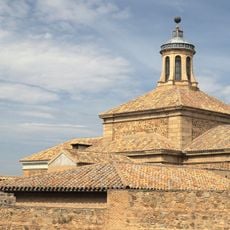
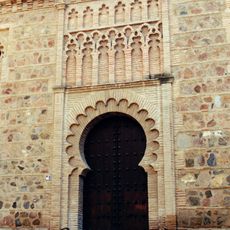
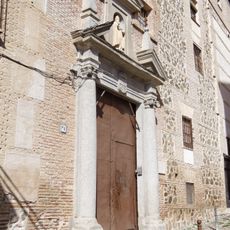
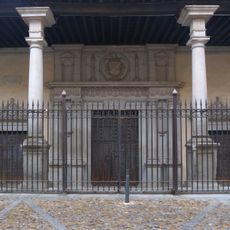
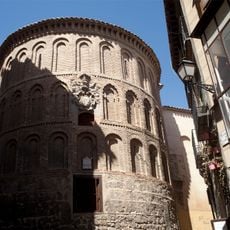
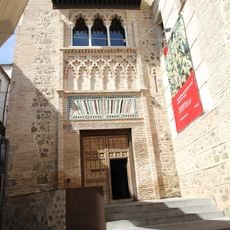
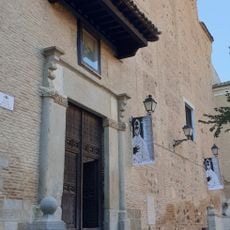
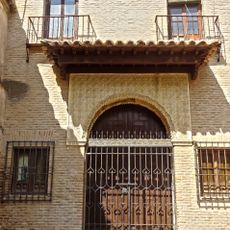
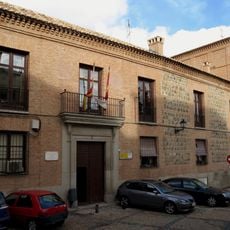
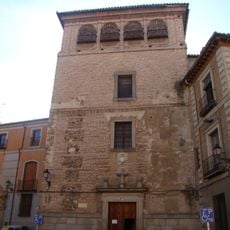
Convento de Santa Clara la Real is a convent with mudéjar architecture in Toledo, accessible through a grand entrance. The interior features two main courtyards, one with orange trees and another with laurel trees, forming the core of the building's layout.
The first Poor Clares in Toledo, known as Damianites, settled outside the walls in the Santa Susana valley; their convent of Santa María and San Damián was confirmed by Pope Innocent IV in 1254. In 1368, during the Castilian Civil War, the noblewoman María Meléndez donated her houses in the San Vicente district to the nuns and their abbess Sancha Alfonso. Pope Gregory XI's bull Piis devotorum, issued at Avignon on 27 June 1371, authorized the foundation for thirty nuns. Meléndez herself took the habit in 1370.
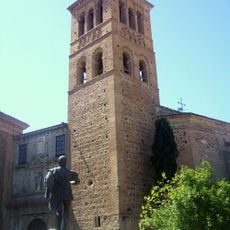
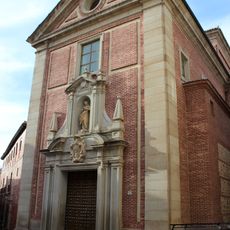
The nuns were first known as Damianites, after the San Damiano convent of Assisi, and followed the Rule of Saint Benedict while living as Saint Clare did. The convent's church was required by the 1371 bull to have a bell tower and bells. The foundress, María Meléndez, took the habit and professed as a nun here in 1370.
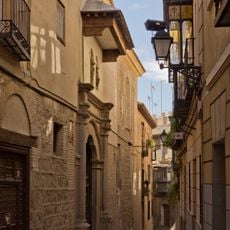
The convent stands in the San Vicente area of Toledo's old town, near the monasteries of Santo Domingo el Real and the Capuchins. Visits are limited to set times, so check locally before crossing town. The nuns are cloistered: only the church and permitted areas are open, and silence is expected.
The convent's founding legal act was a donation on 31 August 1368, during the Castilian Civil War, when María Meléndez gave the Damianite nuns and abbess Sancha Alfonso the Toledo houses where she lived, with their "heredamientos et con cubas e et bodegas et tinajas" — plots, wine vats, cellars and jars. On 20 January 1370 she bought half of adjoining houses belonging to a woman recorded as "Habibi mora".
The community of curious travelers
AroundUs brings together thousands of curated places, local tips, and hidden gems, enriched daily by 95,155 contributors worldwide.