Cueva de Hércules, Roman underground structure in Toledo, Spain
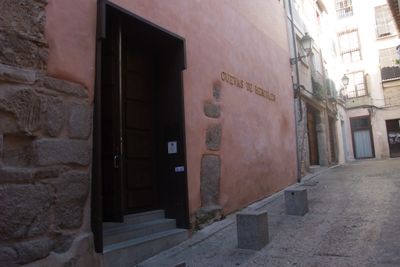
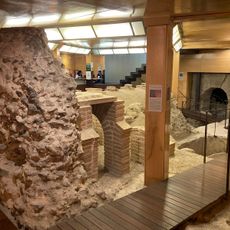
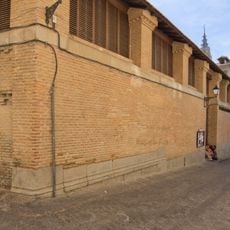
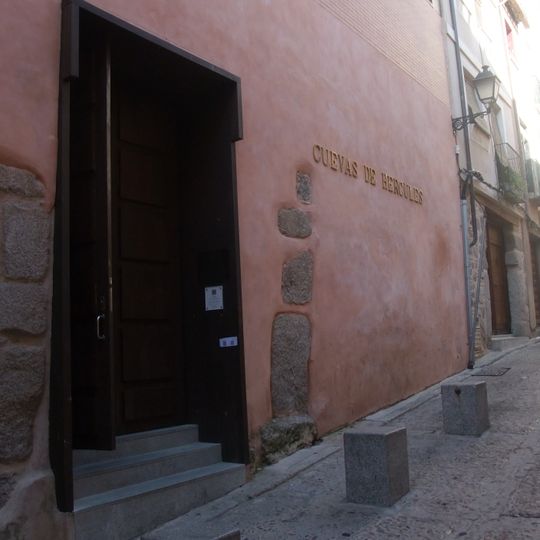
Cueva de Hércules is an underground Roman structure in Toledo featuring three stone arches and ancient walls built from opus caementicium faced with opus signinum from the first century. The chambers lie below ground level and preserve the construction techniques typical of Roman engineering in this region.
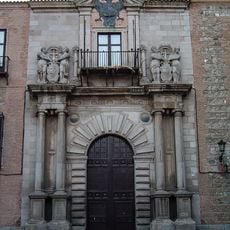
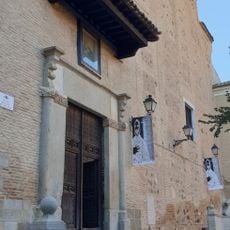
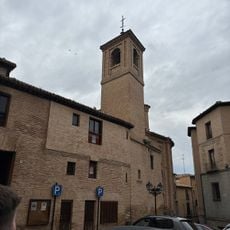
Originally constructed as a water reservoir during Roman times, the site was later adapted into the church of San Gines, which stood until its demolition in 1841. This transformation shows how medieval communities repurposed Roman structures for religious functions.
The cave became linked in medieval times to the legend of Hercules guarding a palace with sealed treasures inside. Local kings of Toledo supposedly had their names carved into magical locks that successive rulers added over the centuries.
Access is generally available Tuesday through Saturday during midday and evening hours for exploring the site. It is advisable to check beforehand since visiting conditions can vary and access may sometimes be restricted.
Cardinal Siliceo sent explorers into the caves in 1546 to investigate them, but they returned under mysterious circumstances that led to their deaths. These unexplained events are among the mysterious stories that surround this place.
The community of curious travelers
AroundUs brings together thousands of curated places, local tips, and hidden gems, enriched daily by 60,000 contributors worldwide.