Toledo, Medieval city in central Spain.
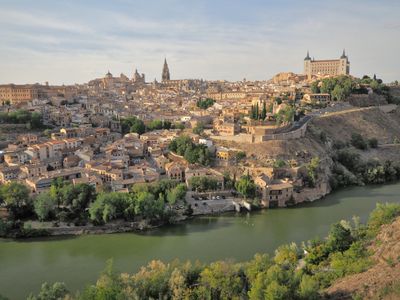
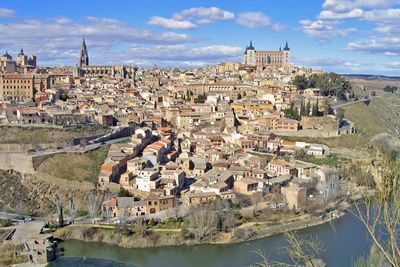
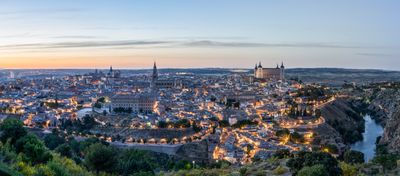
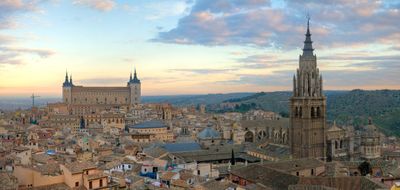
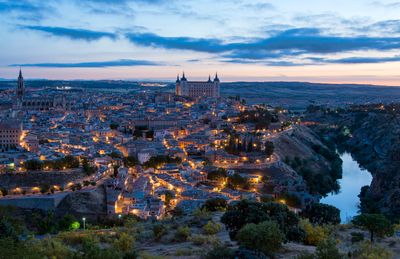
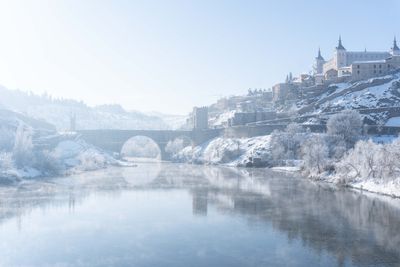
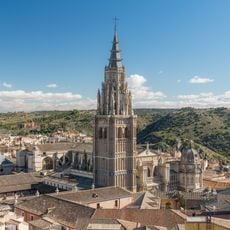
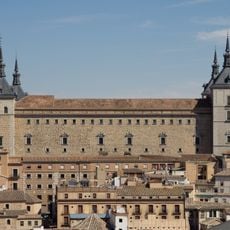
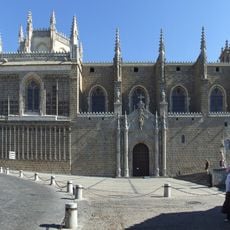
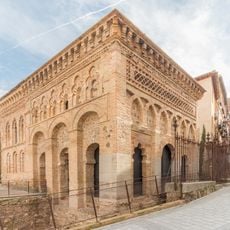
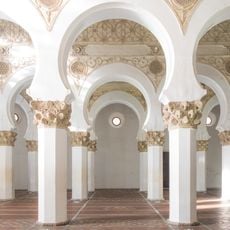
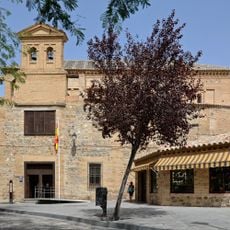
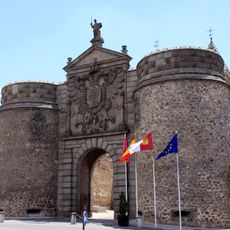
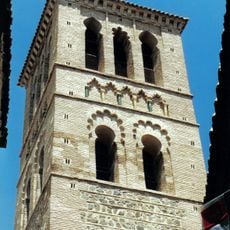
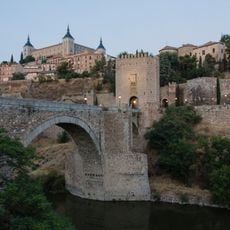
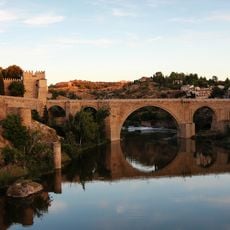
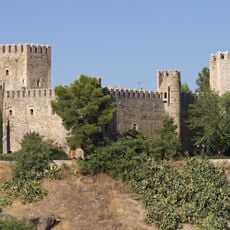
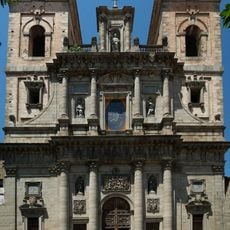
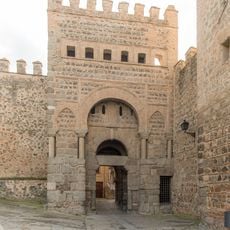
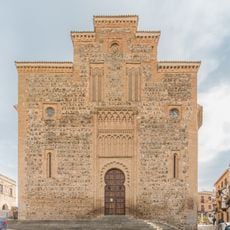
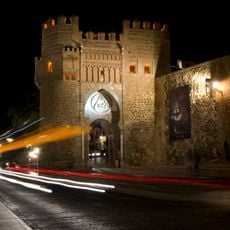
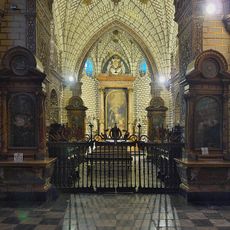
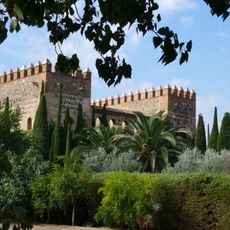
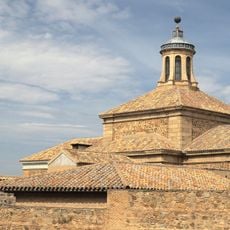
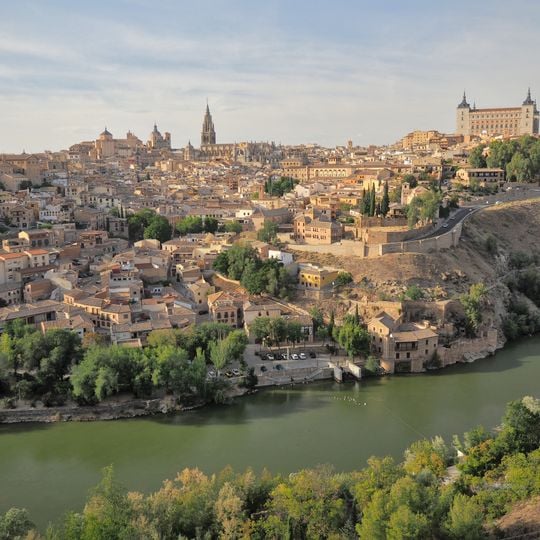
Toledo is a walled city on a hill in central Spain, encircled by the Tagus River and marked by defensive gates built across different centuries. Steep lanes connect various levels of the old town, where churches, synagogues and mosques from different eras sit side by side, showing how the city's layout reflects its layered past.
Before becoming the Spanish capital for several centuries, the city was already a religious center where Christians, Jews and Muslims lived side by side, each shaping its architecture and daily life. This shared past ended gradually after 1492, when royal decrees began forcing conversions and expulsions, altering the character of the place.
Locals take their evening walks through the narrow streets after the heat fades, when the stone facades glow in the soft light. Marzipan shops run by the same families for generations remain a daily stop for residents who value the traditional recipes kept alive in these small bakeries.
The train station sits outside the old town, and a long escalator leads up to the historic center, easing the climb. The steep cobbled streets require comfortable shoes, especially in summer when the sun reflects intensely off the stone walls and the shade becomes scarce.
Some workshops still practice the old technique of damascening, where thin gold threads are hammered into steel to create jewelry and decorative items. This method was brought here centuries ago from the Middle East and is now mastered by only a few artisans who sell their work in small shops scattered through the old town.
The community of curious travelers
AroundUs brings together thousands of curated places, local tips, and hidden gems, enriched daily by 60,000 contributors worldwide.