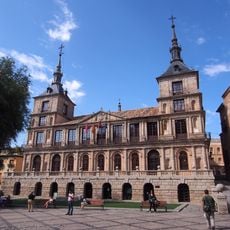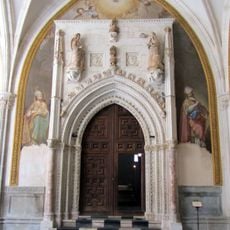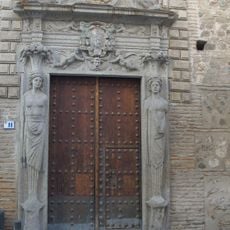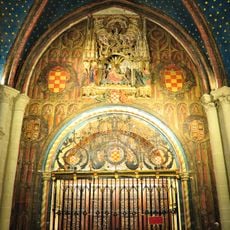
Historic City of Toledo, UNESCO World Heritage old town in Toledo, Spain
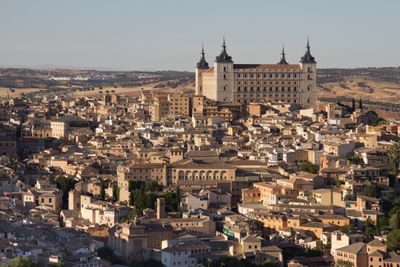
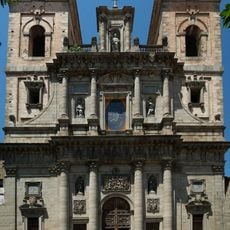
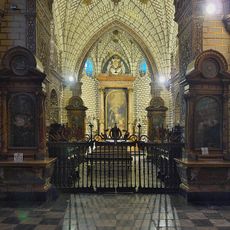
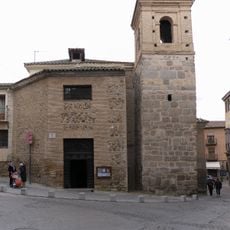
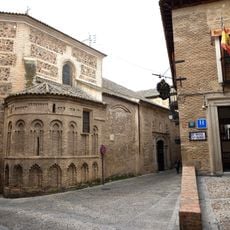
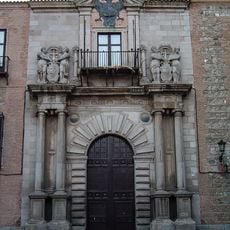
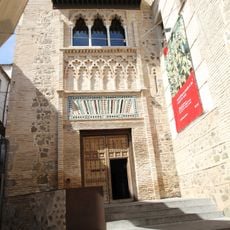
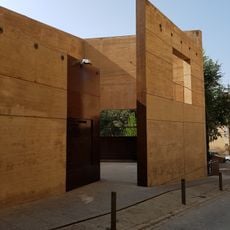
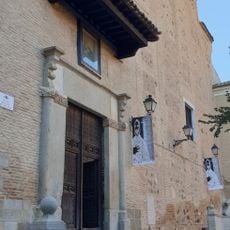
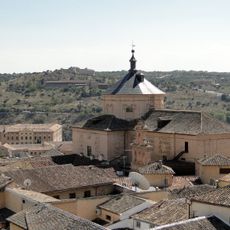
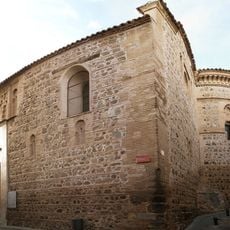
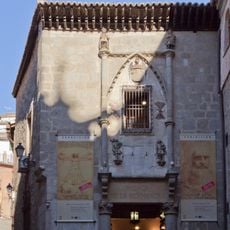
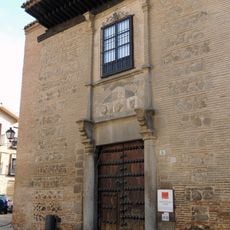
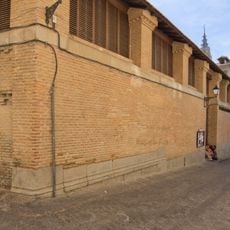
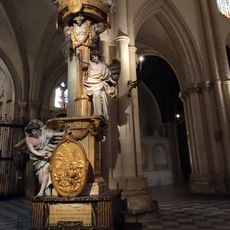
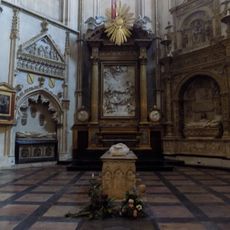
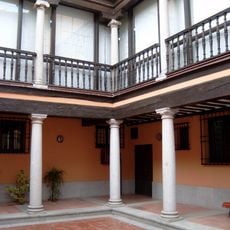
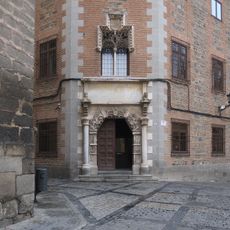
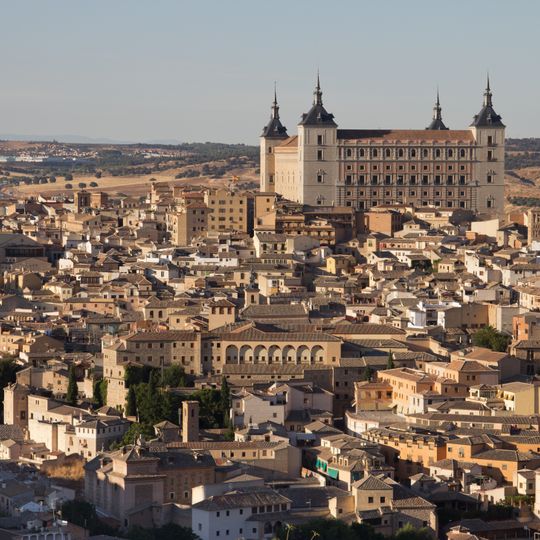
The Historic City of Toledo is a medieval old town perched on a hilltop above the Tagus River, featuring narrow stone streets winding through dense clusters of ancient buildings, churches, and synagogues. The structures follow the natural slopes and curves of the terrain, creating layers of construction that span different historical periods and architectural styles.
The city served as the capital of the Visigothic Kingdom from 542 to 725 CE, making it one of the most important centers on the Iberian Peninsula. Later, it became a major hub for knowledge exchange between different cultures, transforming into a place where intellectual traditions from multiple worlds met and influenced each other.
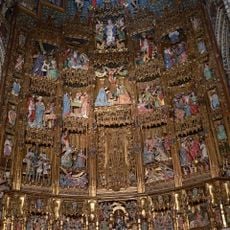
Christians, Muslims, and Jews lived together in the city for centuries, leaving behind their separate neighborhoods, places of worship, and artistic traditions side by side. Walking through the streets today, you can still sense this layered history in the different districts and their distinct character.
To explore the narrow streets, wear comfortable shoes as the paths are steep and winding throughout the old town. Coming early in the day helps you move through the crowds more easily and gives you time to discover quiet corners and less-visited spots.
Since Roman times, Toledo has been renowned for producing high-quality steel used in swords, a craft that continues today in small artisanal workshops throughout the city. You can observe traditional damascene metalwork in various shops, where artisans still apply techniques that have remained largely unchanged for centuries.
The community of curious travelers
AroundUs brings together thousands of curated places, local tips, and hidden gems, enriched daily by 60,000 contributors worldwide.