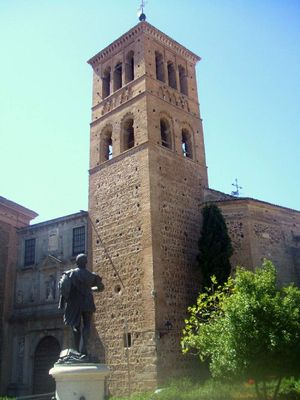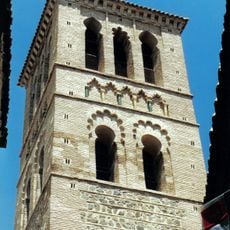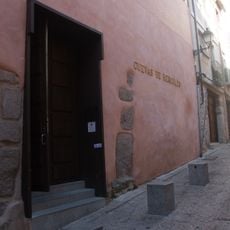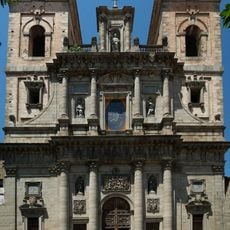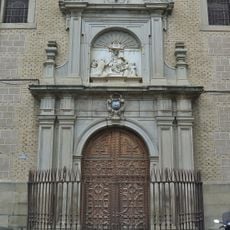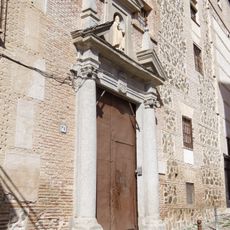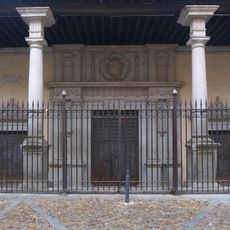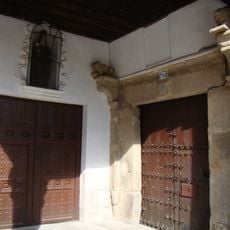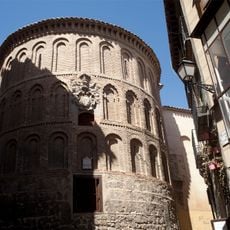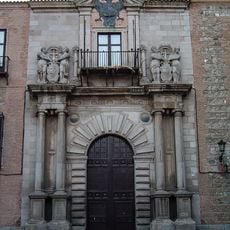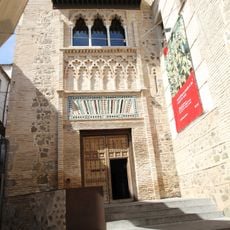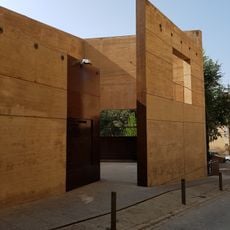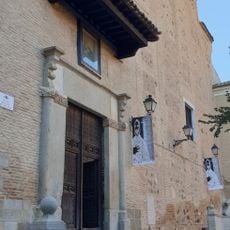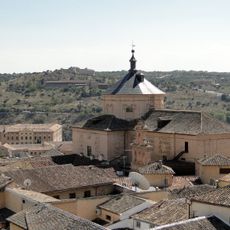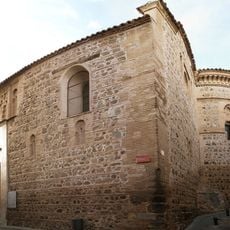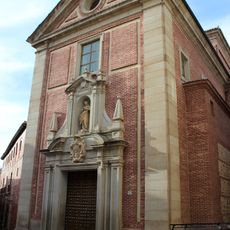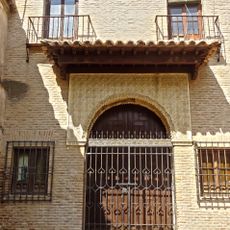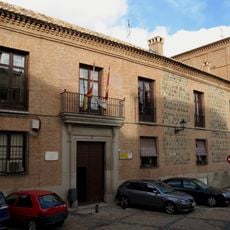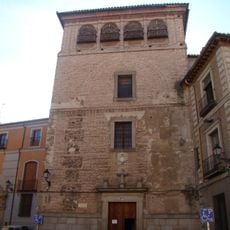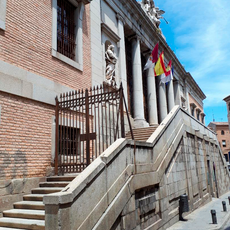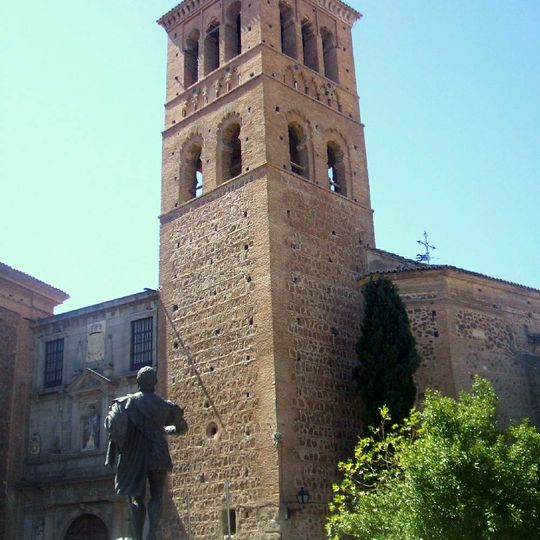
Church of San Román, Mudéjar church building in Toledo, Spain
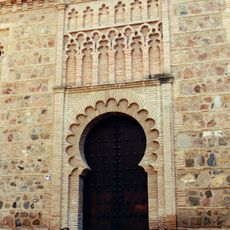
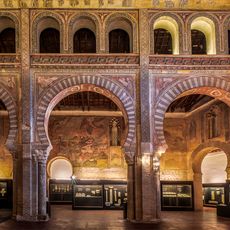
The Church of San Román features three naves separated by horseshoe arches and columns that blend Romanesque and Mudéjar design elements throughout the space. The building now operates as a museum dedicated to early church councils and the Visigothic period in the region.
The church was consecrated in 1221 by Archbishop Rodrigo Ximénez de Rada on a site that had previously held Visigothic and Roman structures from earlier centuries. This layering of different periods shows how sacred locations remained important gathering places through many generations.
The interior walls display large frescoes from the 1200s showing winged evangelists, archbishops, and saints painted in both Romanesque and Mudéjar styles. These images reflect how the church once served as a teaching space for religious figures and beliefs of that era.
The interior layout with three naves and horseshoe arches creates natural pathways for visitors to walk through and explore the different areas of the space. Taking time to read the exhibit labels will help you understand the museum's focus on early church history and religious life from that period.
The structure was built using recycled Roman and Visigothic columns featuring Corinthian leaf patterns that support the horseshoe arches throughout the building. These columns came from earlier constructions at the site and show how later architects reused materials from older structures beneath and around them.
The community of curious travelers
AroundUs brings together thousands of curated places, local tips, and hidden gems, enriched daily by 60,000 contributors worldwide.