Cueva del Boquete de Zafarraya, Archaeological cave in Alcaucín, Spain.
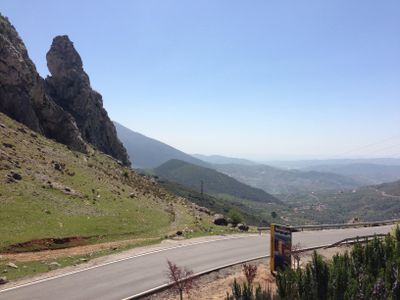
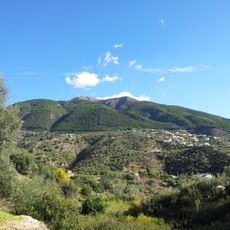
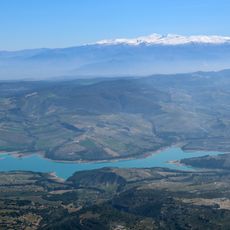
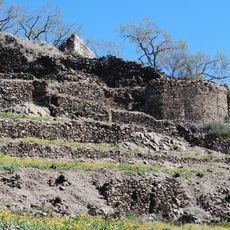
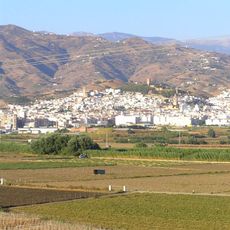
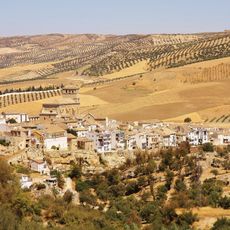
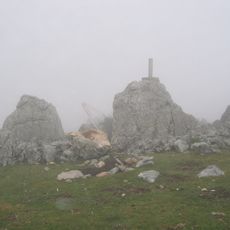
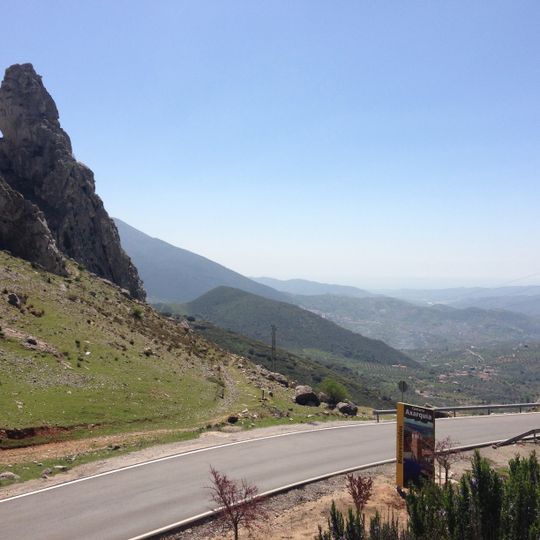
The Boquete de Zafarraya cave is an archaeological site located within a mountainous region featuring natural rock formations and evidence of ancient human settlement. The cave contains deposits uncovered through systematic excavation that reveal patterns of occupation and use.
Scientific excavations began at the site in 1981, revealing skeletal remains of Neanderthals and tools used by early inhabitants. The evidence suggests the cave served as a dwelling place across multiple millennia.
The cave displays rock art created by ancient inhabitants and holds official designation as a Bien de Interés Cultural under Spanish heritage protection. These markings reveal how early people in the region expressed themselves through art.
The entrance requires walking through natural paths across mountainous ground, so visitors should wear appropriate footwear and plan accordingly. Local guides available on-site can help explain the archaeological features and context of the discoveries.
This cave represents one of Europe's latest known dwelling sites of Neanderthals, with evidence of continuous human activity spanning multiple generations. The significance of these findings makes it a key location for understanding how early humans lived and adapted during that distant period.
The community of curious travelers
AroundUs brings together thousands of curated places, local tips, and hidden gems, enriched daily by 92,165 contributors worldwide.