Petavonium, Roman legionary fortress and city in Santibáñez de Vidriales, Spain
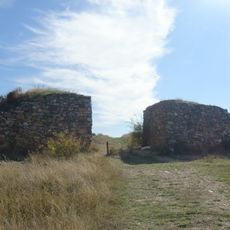
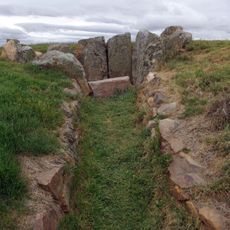
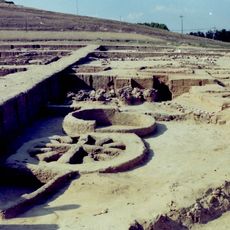
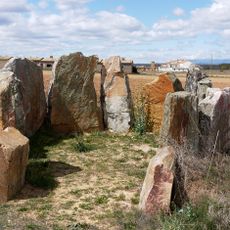
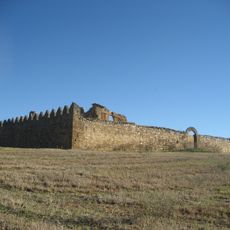
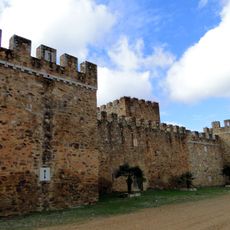
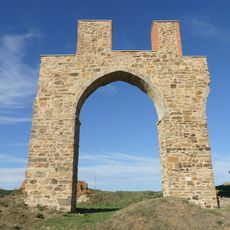
Petavonium began as the camp of the Legio X Gemina, a rectangular enclosure of about 20 hectares, and around it grew a civilian town of some 80 hectares. Inside the later cavalry fort, of about 4 hectares, remain the double-vaned porta praetoria, the principia or headquarters and the valetudinarium or hospital, preceded by a ditch.
Petavonium began as the camp of Legio X Gemina, stationed in the Vidriales valley during the wars against the Astures and Cantabrians to control routes toward Gallaecia, the Duero valley and Lusitania. The legion left Hispania in AD 63, and under the Flavian dynasty, probably Domitian, the Ala II Flavia Hispanorum civium romanorum was quartered in the old barracks, building a walled castellum of about 4 ha. In the Late Empire the unit became the Cohors II Flavia Pacatiana, still listed at the end of the 4th century; the city was abandoned in the 5th century during the barbarian invasions.
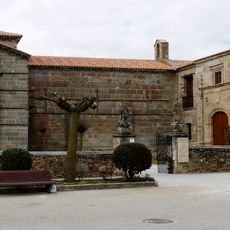
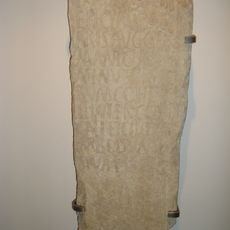
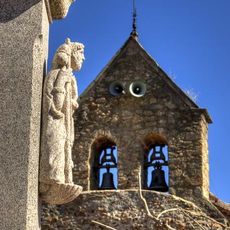
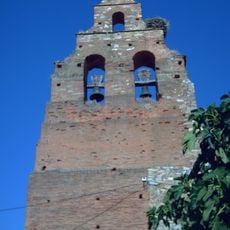
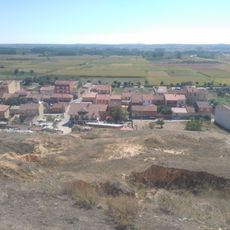
The civil settlement, or canabae, grew around the legionary camp and is recorded in the Antonine Itinerary as a mansio on the road from Asturica Augusta (Astorga) to Bracara Augusta (Braga). A Roman-origin fountain survives, and many inscriptions from the site were set into the walls of houses and churches in nearby villages. The disappeared village of San Miguel once stood about 200 years ago near the camp; its last inhabitant moved to Rosinos de Vidriales, which now owns the camp and the valley's patron-saint church a few metres away.
The site lies between Santibáñez de Vidriales and its hamlet Rosinos de Vidriales, in the Vidriales valley; the excavated remains are those of the later cavalry fort, a rectangular walled enclosure of about 4 ha with a ditch, the double-entrance porta praetoria, the principia and the valetudinarium. The civil city of some 80 ha around it is barely visible, so look for the Roman fountain and the inscriptions reused in nearby houses and churches.
The legion was posted here to watch the routes linking the Meseta with Gallaecia, including those used to move gold from the mines of Las Médulas and Cavenes. The site later grew into a city of about 80 ha, one of the largest in Asturian territory in the 2nd and 3rd centuries AD.
The community of curious travelers
AroundUs brings together thousands of curated places, local tips, and hidden gems, enriched daily by 94,515 contributors worldwide.