Norba Caesarina, Roman archaeological site in Cáceres, Spain
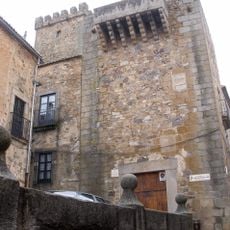
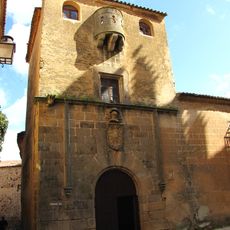
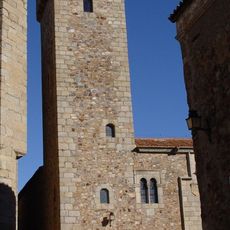
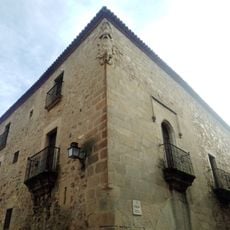
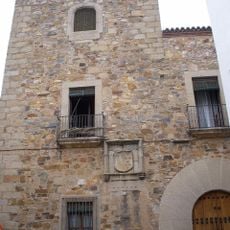
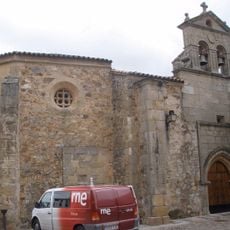
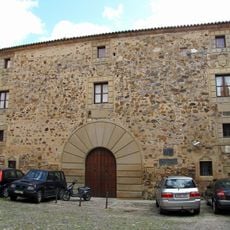
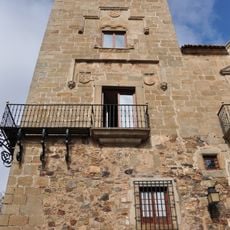
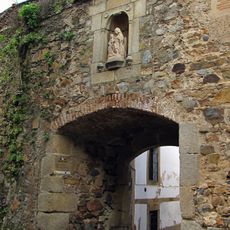
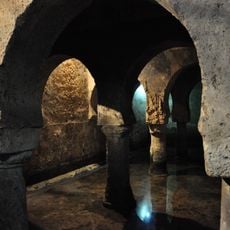
Norba Caesarina is a Roman colony founded in 34 BC, now buried beneath the old town of Cáceres. Its visible remains are rows of squared Roman blocks reused in the lower parts of the Islamic and medieval wall towers, notably at the Arco del Cristo, a first-century gate also called Puerta del Río.
Founded in 34 BC by proconsul Gaius Norbanus Flaccus under the Second Triumvirate, the colony was named for its founder's nomen and honoured Julius Caesar, who had planned such foundations before his death. Settlers were enrolled in the Sergia tribe, and the city belonged to the province of Lusitania and later the conventus Emeritensis. It prospered between the 1st and 3rd centuries, backed Septimius Severus in 194, and was walled with reused stones in the mid-3rd century before being abandoned around the mid-5th century after the invasions of 409.
The Cristo Arch is the only surviving Roman gate from the original four entrances and displays typical Roman building methods. It still stands in the old town today and shows how the ancient city was once organized.
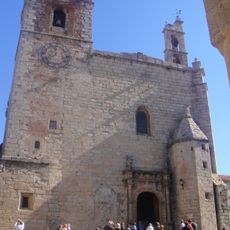
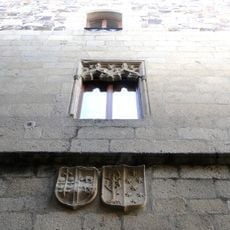
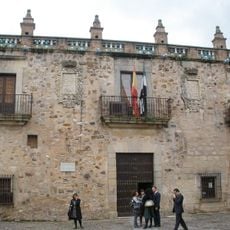
The archaeological site is integrated into the center of the modern city and can be discovered while walking through the old town. There are marked spots with explanations where visitors can view Roman history beneath the medieval buildings.
The Roman colony's name honours both its founder, proconsul Gaius Norbanus Flaccus, and Julius Caesar, who had planned the settlement before his assassination in 44 BC. The colonists were enrolled in the Sergia tribe, the same as Norbanus. Three inscriptions record the city's magistrates, the aediles and duoviri, and its local senate, the ordo decurionum.
The community of curious travelers
AroundUs brings together thousands of curated places, local tips, and hidden gems, enriched daily by 94,099 contributors worldwide.