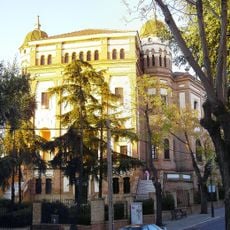
Parque Moret, Urban park and archaeological site in Huelva, Spain
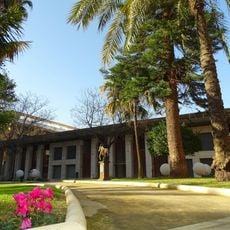
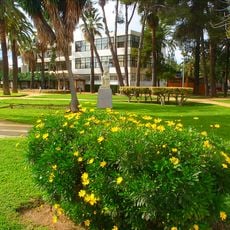
Parque Moret covers about 72 hectares in Huelva, making it the largest urban park in Andalusia. It has three parts: the Cabezos del Conquero, bordering the Odiel marshes and holding remains of a Roman aqueduct; a southeastern area of old orchards, some still worked; and the park proper, on the former road to the La Cinta sanctuary. Over 400 Mediterranean and coastal plant species have been recorded.
The land was acquired by Huelva's council in 1909 and opened as a public park on 20 January 1910, named after Prime Minister Segismundo Moret. The park contains four late Bronze Age burial mounds and walls where executions took place after the nationalist troops entered Huelva on 29 July 1936. It was remodeled in 2006 and a new entrance from Avenida de Santa Marta was added in 2008.
The park's name honours Segismundo Moret, head of the Spanish government when the land was bought in 1910. The main entrance on Avenida de La Cinta follows the old road to the sanctuary of Nuestra Señora de La Cinta, and the park was created for Huelva residents walking there on feast days.
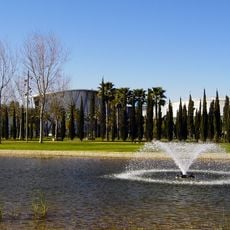
The grounds are easy to reach and offer a lake, picnic areas, and playgrounds for different ages. Paths throughout make it simple to move around the entire site at your own pace.
The park's name honours Segismundo Moret, head of the Spanish government in 1910, when the city council bought the Italiano orchard for 25,000 pesetas and opened the grounds on 20 January, the feast of San Sebastián. A sign at the old entrance recorded the purchase and the mayor, Francisco García Morales.
The community of curious travelers
AroundUs brings together thousands of curated places, local tips, and hidden gems, enriched daily by 94,545 contributors worldwide.