Al-Andalusian palatial complex and neighborhood of San Esteban, Archaeological site in central Murcia, Spain
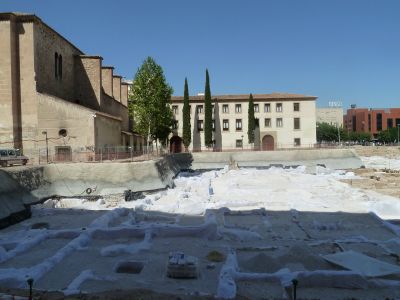
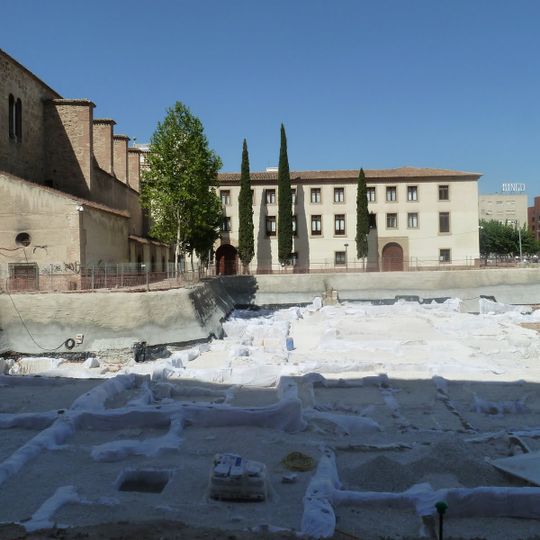
The Al-Andalusian palatial complex is an archaeological site in central Murcia containing remains of residential buildings, palaces, gardens, a necropolis, and a small mosque. The excavations reveal how an Islamic urban settlement was structured and organized.
The site originates from the 13th century with some elements dating to the 12th century and came under the control of Ferdinand III of Castile in 1243. After this change, the Islamic urban character gradually disappeared as new rulers reshaped the city.
The neighborhood features homes organized around central courtyards, a layout common to Islamic settlements of that era. Visitors can observe how families arranged their living spaces and used different areas of their houses.
Access to the site is limited because ongoing excavation and maintenance work is needed to preserve the urban structures. It is best to check in advance whether visits are possible and which areas you can see.
In 2009, artists and residents gathered to create a manifest and protect the site from modern construction projects. This action shows how much the community valued preserving this place as part of the city's history.
The community of curious travelers
AroundUs brings together thousands of curated places, local tips, and hidden gems, enriched daily by 60,000 contributors worldwide.