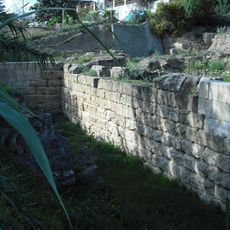
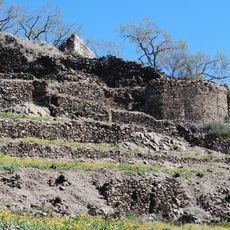
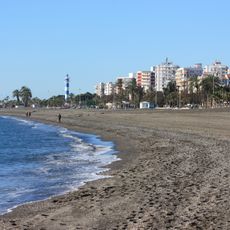
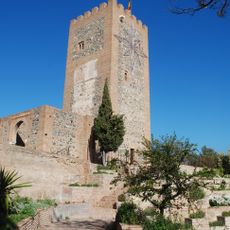
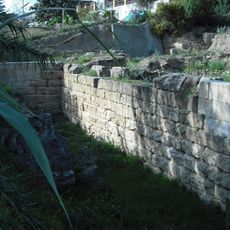
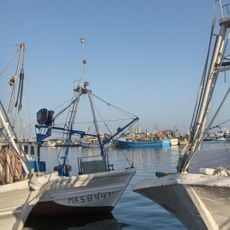
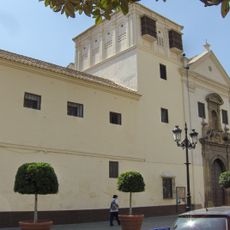
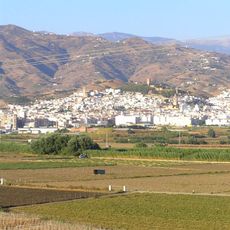
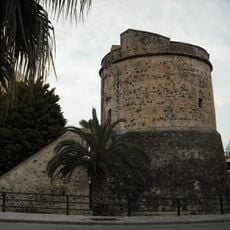
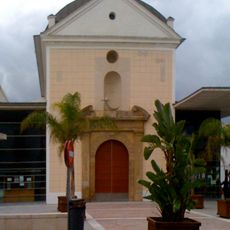
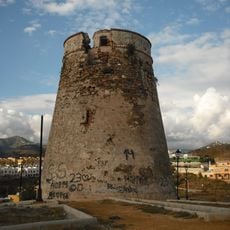
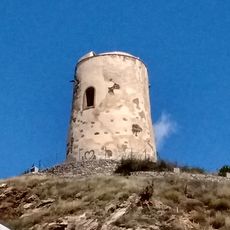
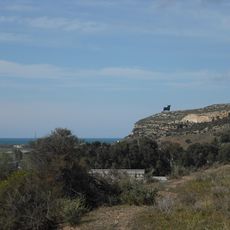
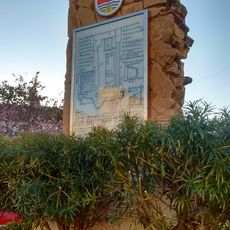
Deposits of the mouth of the Algarrobo River, Archaeological site at Algarrobo River mouth in Costa del Sol, Spain.
This archaeological site consists of several excavation areas including the Trayamar necropolis, Chorreras, and Morro de Mezquitilla scattered along the Mediterranean coast. The remains span different periods of human settlement and are now partly preserved in the Museum of Malaga.
Human settlement at this location began in the Paleolithic period and continued through many centuries. The Phoenicians arrived and established communities here between the 8th and 7th centuries BC, leaving behind tombs and structures that reveal their presence.
The artifacts found here show how ancient people made and used everyday objects like pottery and storage vessels. These items tell us about the skills and daily lives of those who lived along this coastline long ago.
Many artifacts from these excavations are displayed in the Museum of Malaga, making it easy to view the discoveries in one place. This museum visit is a practical way to understand the site's history without needing to visit multiple scattered locations.
Burial sites at this location reveal how the Phoenicians conducted their funeral rites around the 7th century BC, including the placement of valuable items with the deceased. These tombs provide rare insight into the spiritual beliefs and practices of these ancient seafaring people.
The community of curious travelers
AroundUs brings together thousands of curated places, local tips, and hidden gems, enriched daily by 92,657 contributors worldwide.