Church of Santa Eulalia, Medieval church in Abamia, Spain
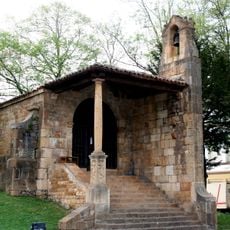
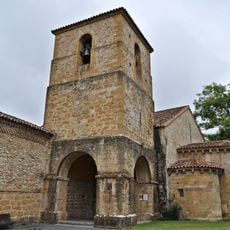
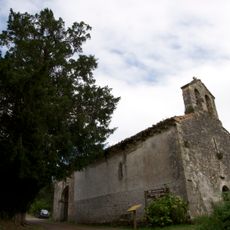
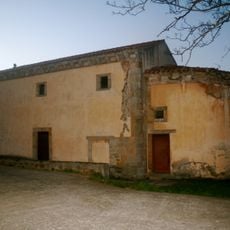
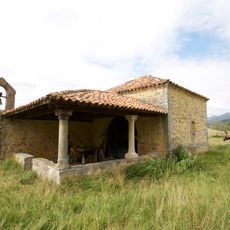
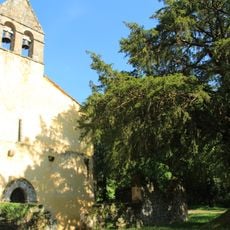
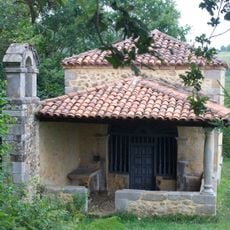
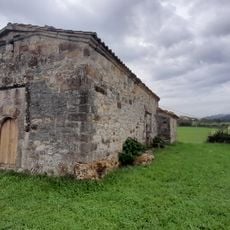
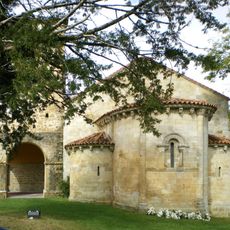
The church of Santa Eulalia stands near Corao, in the Abamia parish of Cangas de Onís, Asturias. The present building is Romanesque, from the 12th century, with a simple plan and plain stonework; it was declared a historic-artistic monument in 1962, and its surrounding church field is a Bien de Interés Cultural since 2017.
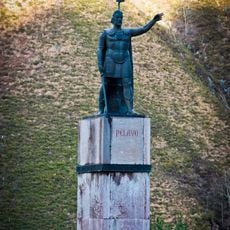
A temple existed here by the 8th century; the present Romanesque church was built in the 12th century. Pelagius, first king of Asturias, died at Cangas de Onís in 737 and was buried here with his wife Gaudiosa, as the Sebastián Chronicle records. Alfonso X later ordered the remains moved to the Santa Cueva de Covadonga, a transfer many historians question.
The church is also known as Santa Eulalia de Velanio or Abelania, names recorded in early medieval chronicles. The legend that Pelayo was buried here first appears in the Oviedo version of the Albeldense Chronicle, an interpolation made under Bishop Pelayo of Oviedo (1101–1130). In 1572 Ambrosio de Morales added that Pelayo himself founded the church after his victory over the Moors.
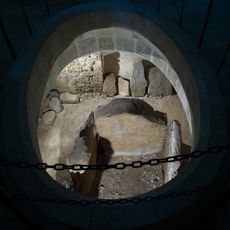
The church stands near Corao, in the Abamia parish of Cangas de Onís, on a hill above a Roman-era necropolis; the surrounding church field is a protected historic site. Access is by road from Corao, and the empty royal tombs lie inside, one on the Gospel side and one on the Epistle side.
The tomb said to be Pelayo's holds only a carved sword; Gaudiosa's slab bears the inscription "Heic Iacet Rª Gaudiosa Uxor Rs Pelagii". Jovellanos saw no inscription there in 1782, and Morales found the stone surprisingly plain. Both are cenotaphs, and the king's remains were moved to Covadonga.
The community of curious travelers
AroundUs brings together thousands of curated places, local tips, and hidden gems, enriched daily by 93,401 contributors worldwide.