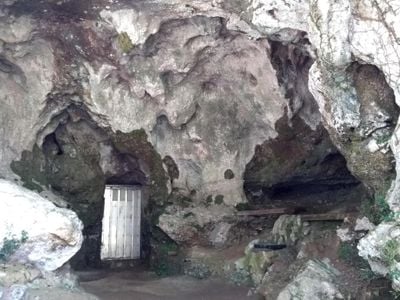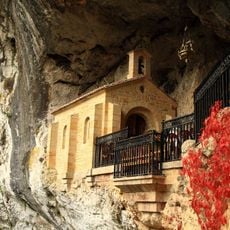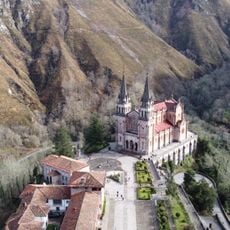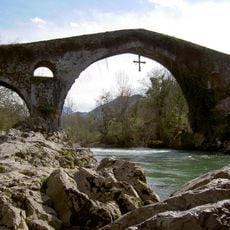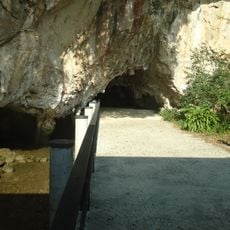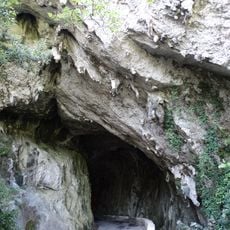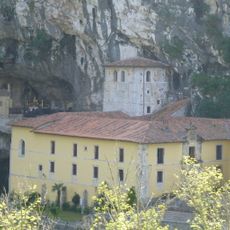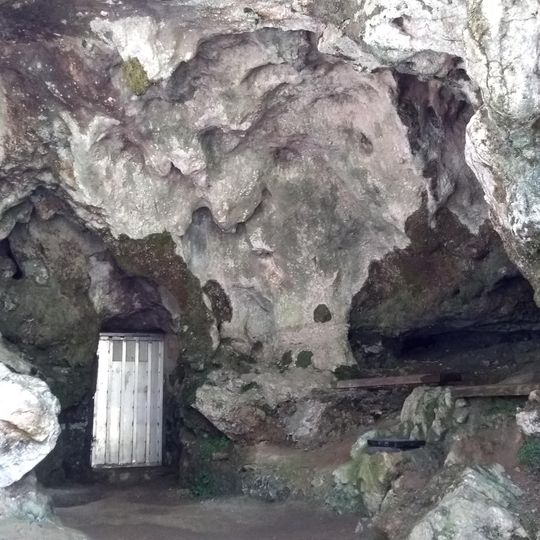
Cueva del Buxu, Prehistoric cave in Cardes, Spain.
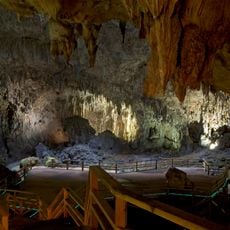
Cueva del Buxu is a prehistoric cave in Cangues d'Onís with numerous engravings and paintings on its limestone walls. The artworks depict horses, goats, deer, and bison along with geometric and zoomorphic figures created by ancient hands.
The cave was discovered in 1916 by Cesáreo Cardin and first excavated in 1918, revealing Solutrean artifacts and ancient paintings from the Upper Paleolithic. These artworks date to when hunter-gatherer societies inhabited this part of northern Spain.
The walls display various artistic techniques including paintings and engravings that show how prehistoric people in northern Spain expressed themselves through art. Visitors can observe the different methods used to create these images, from careful carving to deliberate painting.
Visitors must book reservations from Wednesday to Sunday between 3 and 5 in the afternoon, with guided tours lasting around 40 minutes through the cave system. The passages are tight and require bending through low sections, so wear comfortable clothes and sturdy footwear.
Archaeological findings include a rare bird sculpture carved from a cave bear tusk and limestone plaques with intricate engravings. These portable artworks show that ancient inhabitants created detailed carvings on objects they could carry with them.
The community of curious travelers
AroundUs brings together thousands of curated places, local tips, and hidden gems, enriched daily by 90,802 contributors worldwide.