Historic centre of Córdoba, Historic district in Córdoba, Spain
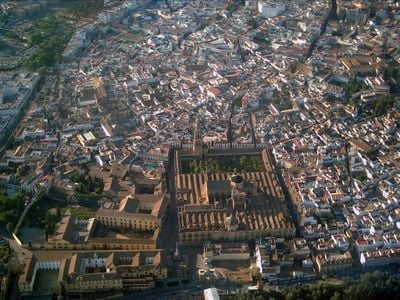
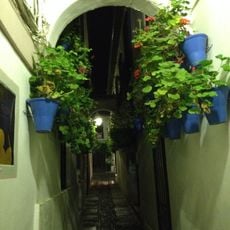
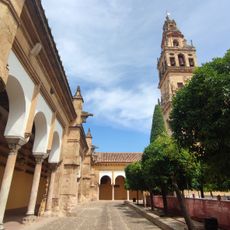
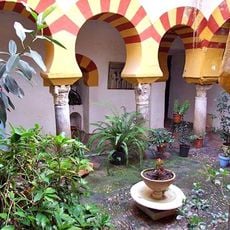
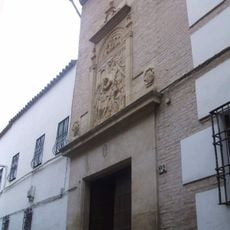
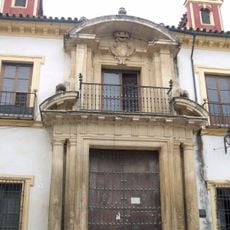
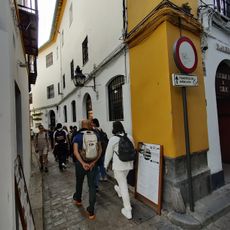
The historic centre is a maze of narrow lanes and whitewashed buildings layered with architectural periods from Roman times through the Middle Ages. The streets open onto hidden squares with fountains and flowering vines, while the structures themselves show a mix of periods and styles.
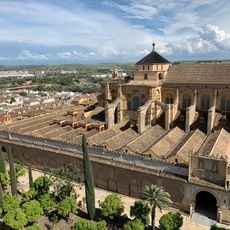
Córdoba began as a Carthaginian township and was captured by the Romans in 206 BC, becoming capital of Hispania Citerior. It later served as capital of the Muslim emirate of al-Andalus and, by the 10th century, as the Caliphate of Córdoba, with over 300 mosques and a huge library. Ferdinand III took the city in 1236 and converted the Grand Mosque into a cathedral.
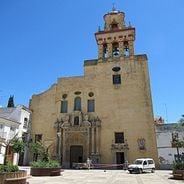
The narrow streets carry visible traces of the communities that once lived here, from Islamic geometric patterns on walls to churches built alongside former mosques. Walking through the lanes, you notice how different religious traditions exist side by side in the same neighborhoods.
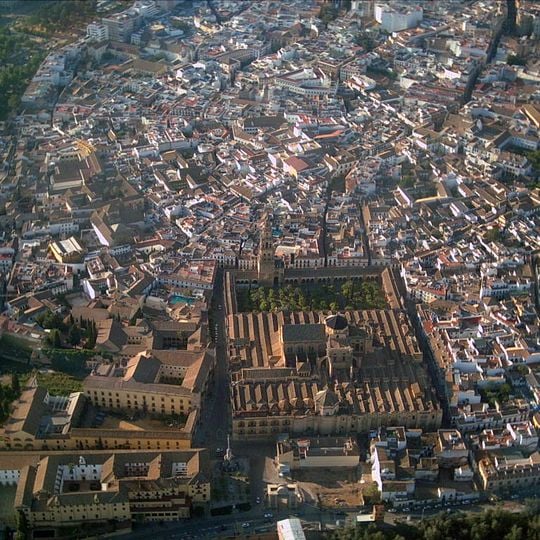
The old town splits into two parts: the Villa west of the Mosque-Cathedral and the Axerquía to the east, so plan routes by these halves. The narrow medieval lanes are mostly level, with no flights of steps along the main routes. The ring roads built on the line of the old wall (Paseo de la Victoria, Ronda de los Tejares, Avenida de las Ollerías) mark the edges of the district.
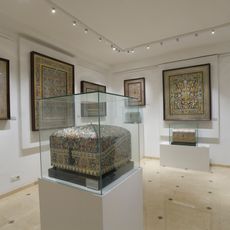
Below ground lie layered remains of civilizations revealed through excavations, including Roman mosaics and Islamic foundations. Some museums display these layers, showing how the city was built on top of itself multiple times.
The community of curious travelers
AroundUs brings together thousands of curated places, local tips, and hidden gems, enriched daily by 93,476 contributors worldwide.