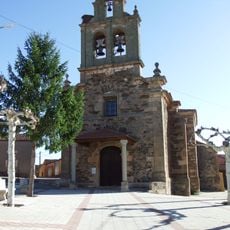
Iglesia de Santa María, Medieval church in Tábara, Spain
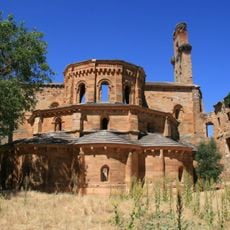
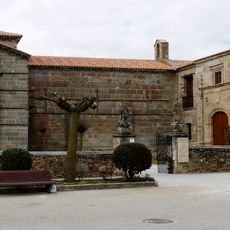
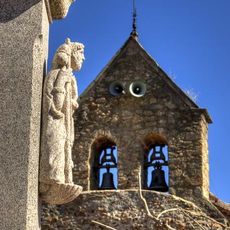
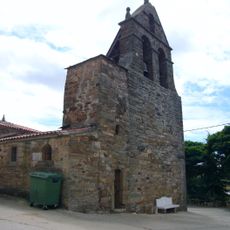
Iglesia de Santa María stands beside the N-631 in Tábara. Its three naves are divided by round arches, with a transept covered by a spherical vault and a polygonal apse; the south portal, from the Romanesque period, has two archivolts, the outer one carved with a chessboard frieze. The bell tower rises at the west end, its lower chamber reached through a horseshoe arch on columns.
This church dates from the Middle Ages and underwent interior redesign in the 18th century. It connects to the San Salvador Monastery nearby, which once served as a major European center for manuscript production.
The Interpretation Center for Beatus manuscripts occupies spaces within the church, displaying medieval texts with ornate illustrations created by hand. Visitors can see the artistic skill that monks developed in this location centuries ago.
The church is open to visitors during the week and can be explored together with the manuscript study center. Allow adequate time to view both the religious structure and the exhibitions thoroughly.
The last page of the Beatus of Tábara, finished on 26 July 970, shows the monastery's bell tower with horseshoe openings and monks on ladders ringing bells; beside it Emeterius and a monk named Senior sit facing each other in the scriptorium, considered the oldest depiction of a scriptorium in European art. The manuscript is kept today in the Archivo Histórico Nacional in Madrid.
The community of curious travelers
AroundUs brings together thousands of curated places, local tips, and hidden gems, enriched daily by 94,458 contributors worldwide.