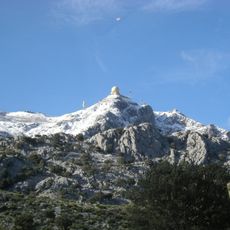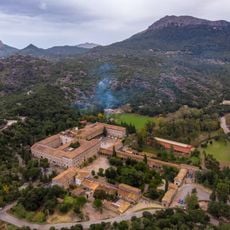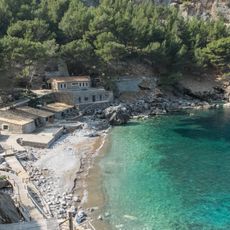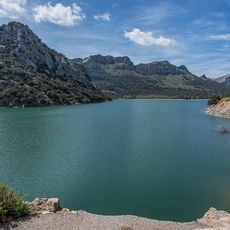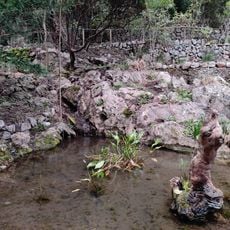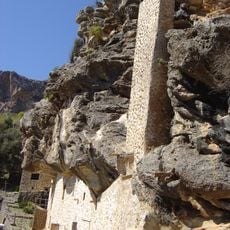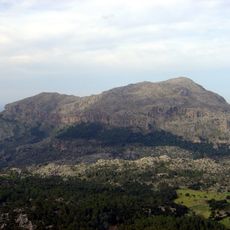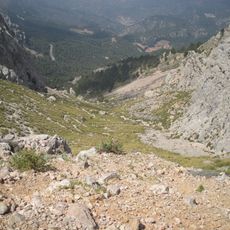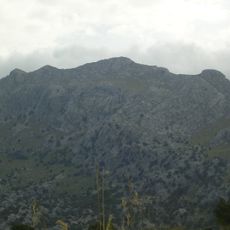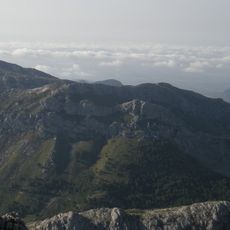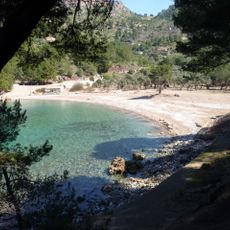
Torrent de Pareis beach

Log in to your account

AroundUs is a community-driven map of interesting places, built by curious explorers like you. It grows with every review, story, and photo you share.
Connect to save your favorite spots, contribute locations, and create personalized routes.
By continuing, you accept our Terms and Conditions and our Privacy Policy

Torrent de Pareis beach

Add to collection
Map
Suggest a change
Share

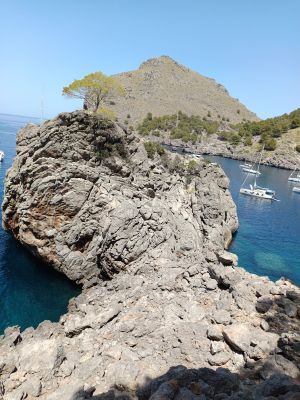
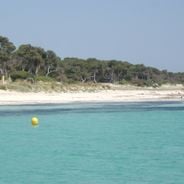
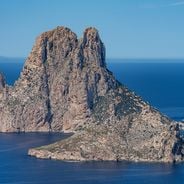
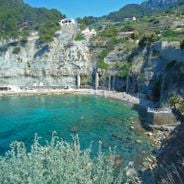
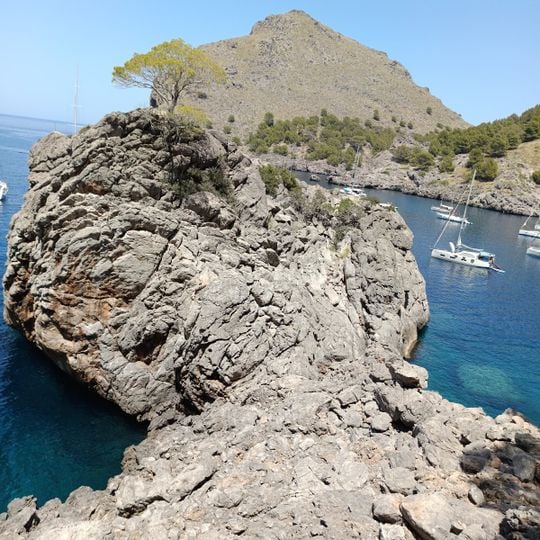
Torrent de Pareis beach, Golden sand beach in Serra de Tramuntana, Mallorca, Spain.

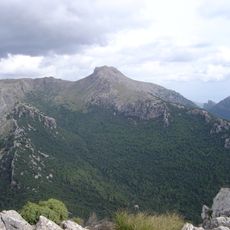
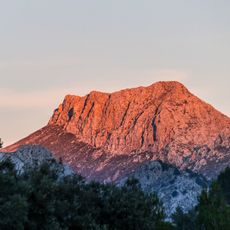
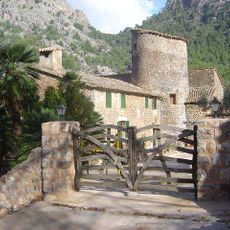
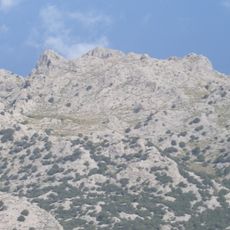
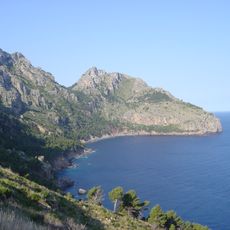
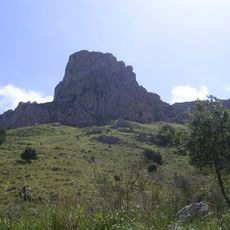
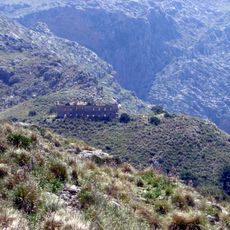
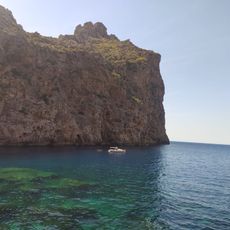
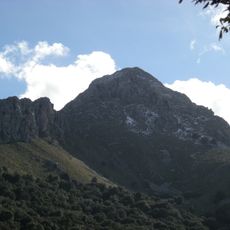
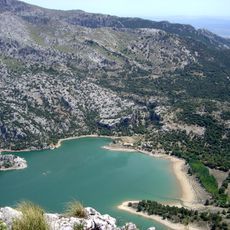
Torrent de Pareis beach is a small sandy beach in the Serra de Tramuntana area on Mallorca's coast, framed by steep limestone cliffs. The beach sits where two canyons meet the shore, defined by these dramatic rock walls that tower above the sand.

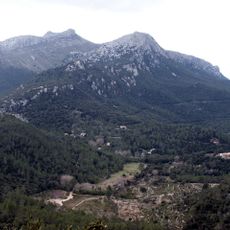
The area formed over thousands of years through water erosion that shaped the canyon system stretching from the mountains to the sea. This natural process carved out the steep rock walls and wide valley floor that hikers cross today.

The beach marks the end of a popular hiking route through Torrent de Pareis canyon and sits within a UNESCO World Heritage area. Visitors experience how this coastal spot connects outdoor adventure with the natural landscape.

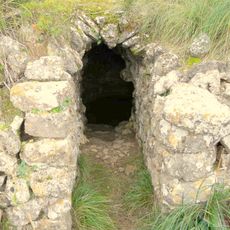
The beach is best reached during early morning hours when parking near Sa Calobra village is available. The path includes a tunnel that is lit, but wear sturdy shoes and expect uneven terrain on the walk there.

Water flowing here comes from underground springs in the mountains and mixes with the sea in a visible contrast of colors. This freshwater appearing in the middle of the sea creates a rare sight that visitors encounter at few other places.

Location: Escorca

Length: 25 m

Width: 30 m

Address: 07315 Escorca, Balearic Islands, Spain

GPS coordinates: 39.85194,2.80611

Latest update: December 6, 2025 17:46

Photos
Beaches in Spain: Canary Islands, Balearic Islands, Cantabria

Spain's coastlines present a wide variety of beaches, from the white sand shores of the Balearic Islands to the rocky coves of Cantabria along the Atlantic. This collection includes beaches such as Playa de Rodas in the Cíes Islands, the urban beach of La Concha in San Sebastián, and the secluded coves of Formentera including Ses Illetes and Cala Saona. In Andalusia, beaches like Playa de Bolonia near Tarifa feature Roman ruins nearby, while the volcanic landscapes of Cabo de Gata showcase Los Genoveses and Playa de Monsul. The Asturian coast displays natural formations such as Gulpiyuri, a beach enclosed within cliffs, and Playa del Silencio. The Canary Islands offer diverse beach types, from the golden sands of Las Teresitas in Tenerife to the expansive shores of Sotavento in Fuerteventura. This selection documents the geographic and geological range of Spanish beaches and provides practical information about location, access, and local features of each site.

Hidden locations in the Balearic Islands

The Balearic Islands contain numerous remote beaches, historical sites, and natural landmarks that reveal layers of human and geological history. From the ancient Talayotic ruins of Torre d'en Galmés to the coastal cliffs of Cap de Formentor, these locations offer stone structures, archaeological remains, and views across the water. The region includes natural reserves like S'Albufera des Grau, historical buildings such as the Lluc Monastery, and coastal features including the rock formations near Sa Pedrera. Walking through these places, you encounter evidence of civilizations that lived here thousands of years ago, alongside the work of nature in shaping cliffs, coves, and island landscapes. Some spots reward you with solitude and wide vistas, while others reveal details carved into stone or built into hillsides. Whether you trace ancient pathways, explore caves with archaeological layers, or stand at a lighthouse overlooking the water, the Balearic islands show how people have lived alongside their landscape for centuries.

What to do in Majorca: natural sites, historic heritage, and activities

Mallorca offers diverse landscapes where fine sandy beaches and wild coves surrounded by limestone cliffs succeed one another. On the northwest coast, Sa Calobra marks the spectacular mouth of the Torrent de Pareis, while Cala Figuera nestles between the rocky walls of Cape Formentor. To the southeast, near Santanyí, Caló del Moro and the Mondragó natural park reveal other facets of the Mediterranean coast. The island's architectural heritage reflects centuries of history. In Palma, the Gothic cathedral from the 14th century dominates the port with its nave standing 144 feet (44 meters) high and 61 stained glass windows. The round Bellver Castle, built in 1311, is perched on the heights of the city. The Drach Caves in Porto Cristo reveal an underground world spanning approximately 0.75 miles (1.2 km), including Lake Martel, one of Europe’s largest underground lakes. The Alfàbia Gardens in Sóller preserve Moorish hydraulic art from the 13th century, while the Roman site of Pol·lèntia in Alcúdia dates back to the 1st century BC. To the north, the s'Albufera natural park conserves 4,200 acres (1,700 hectares) of wetlands hosting over 250 species of migratory birds.

Reviews

Visited this place? Tap the stars to rate it and share your experience / photos with the community! Try now! You can cancel it anytime.

« Torrent de Pareis beach - Golden sand beach in Serra de Tramuntana, Mallorca, Spain » is provided by Around Us (aroundus.com). Images and texts are derived from Wikimedia project under a Creative Commons license. You are allowed to copy, distribute, and modify copies of this page, under the conditions set by the license, as long as this note is clearly visible.

Discover hidden gems everywhere you go!

From secret cafés to breathtaking viewpoints, skip the crowded tourist spots and find places that match your style. Our app makes it easy with voice search, smart filtering, route optimization, and insider tips from travelers worldwide. Download now for the complete mobile experience.
Around Us App Screenshot

A unique approach to discovering new places

Le Figaro

All the places worth exploring

France Info

A tailor-made excursion in just a few clicks

20 Minutes