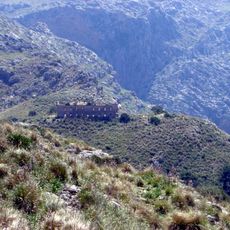
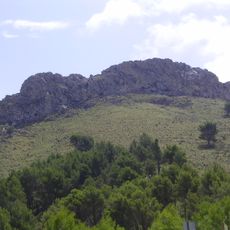
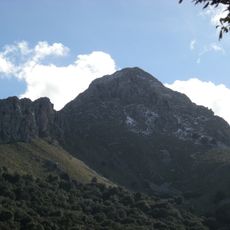
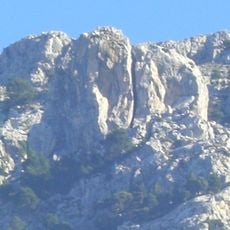
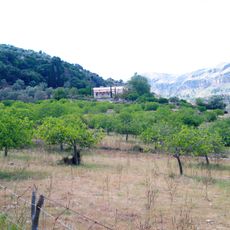
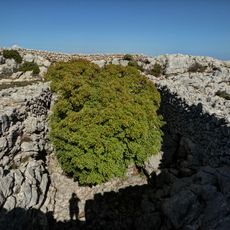
Talaiotic site of Almallutx, Talaiotic sanctuary in Escorca, Spain
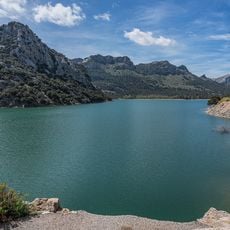
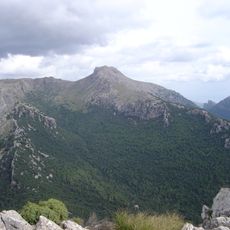
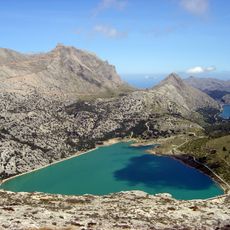
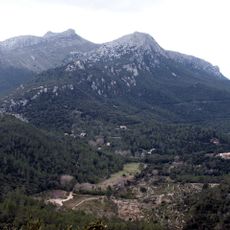
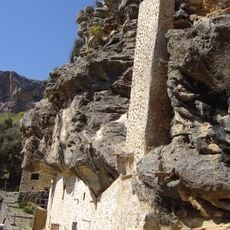
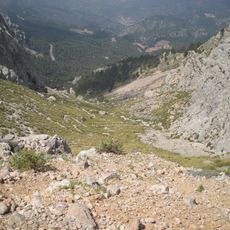
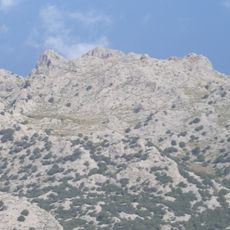
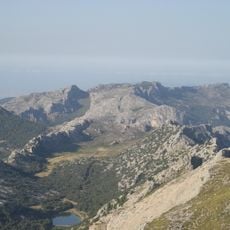
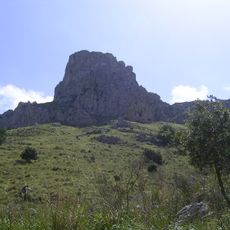
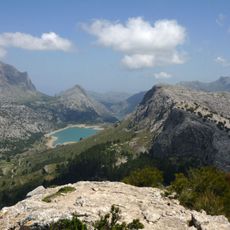
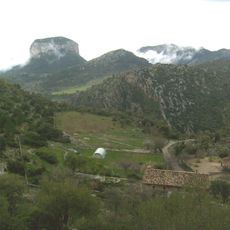
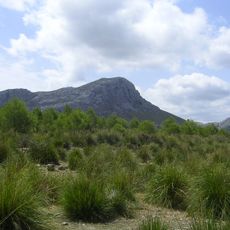
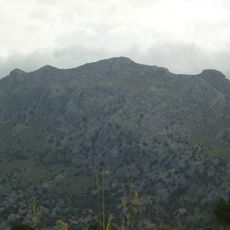
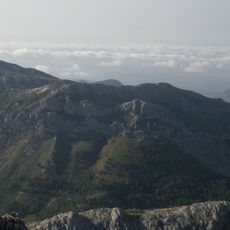
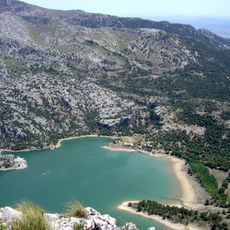
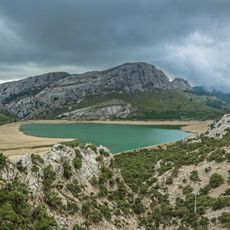
The Talaiotic site of Almallutx lies on the slope of Es Castellot at 610 m in the valley between Morro de Almallutx and Puig de ses Vinyes. It comprises two sanctuaries with central trilithic pillars (4 m and 3.5 m high) and two talayots, all built with large cyclopean blocks on quadrangular bases. The adjacent settlement is submerged beneath the Gorg Blau reservoir.
The sanctuary was built in the Talaiotic period, from the 7th century BC until the Roman occupation of 123 BC. Manuel Fernández Miranda, Bartomeu Ensenyat and Catalina Ensenyat excavated it in 1969–1970, when the Gorg Blau reservoir flooded the adjoining village. Restoration has since stabilized the two sanctuaries.
The sanctuary served as a gathering place where the local community came together for spiritual and communal occasions. The arrangement of stone features shows how this space held meaning for collective rituals and social bonds.
The location is in open countryside and can be explored along marked trails. Visitors should bring proper footwear and sun protection, as the paths cross exposed terrain.
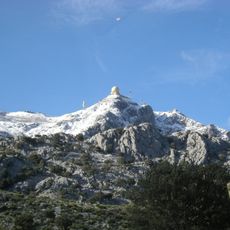
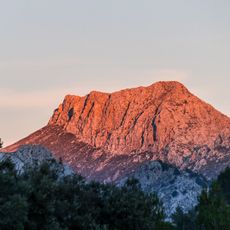
A 1934 photograph taken by Francisco Franco, then captain general, led archaeologist Jaume Deyà to identify prehistoric structures on the summit of Puig Major. He links them to the Almallutx sanctuaries, far away but intervisible, which supports the reading of Almallutx as a symbolic high place.
The community of curious travelers
AroundUs brings together thousands of curated places, local tips, and hidden gems, enriched daily by 94,078 contributors worldwide.