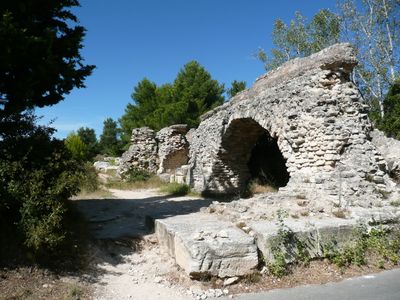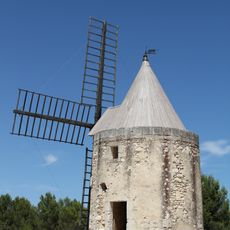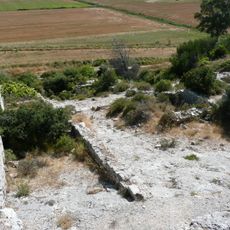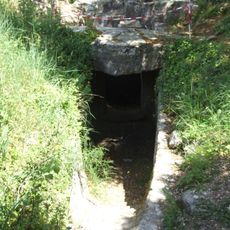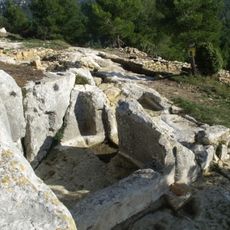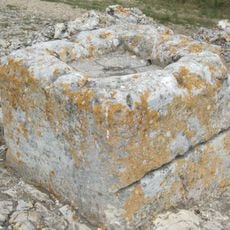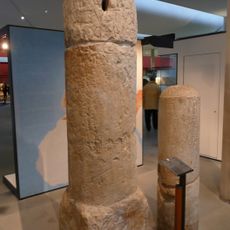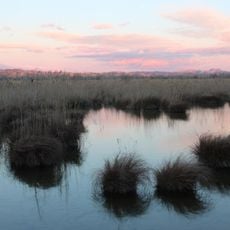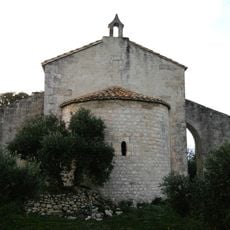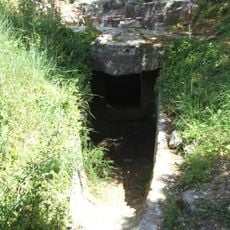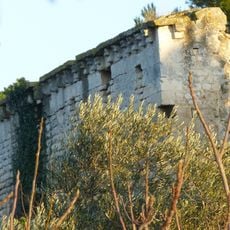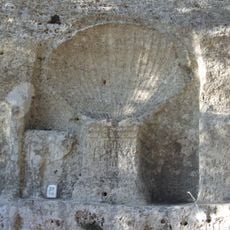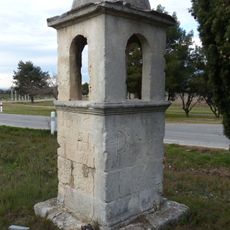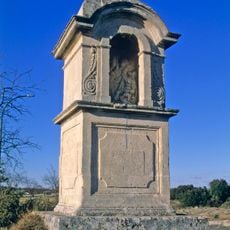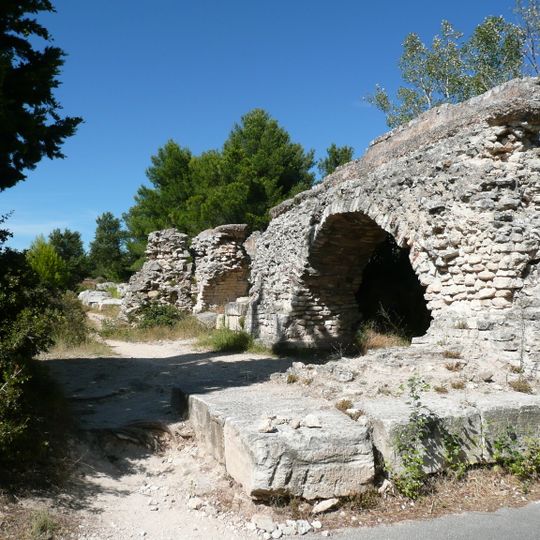
Barbegal aqueduct, aqueduc à Arles (Bouches-du-Rhône)
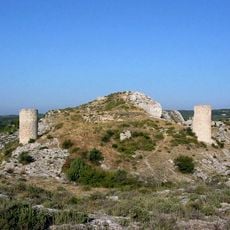
The Barbegal aqueduct is a Roman water system near Arles that carried water from the Alpilles mountains to the city and powered grain mills. The complex consisted of two aqueducts that joined and split again to feed 16 large water wheels built into a hillside, each enclosed in small stone structures.
The aqueduct and mills were built in the early 2nd century and operated for about 200 years, making it one of the largest mechanical power complexes of the ancient world. The system was designed to provide grain flour daily to feed thousands of residents in Arles.
The name Barbegal refers to the mills that powered local life, and the site reflects how Romans organized large-scale food production to feed the city. Walking through the ruins, you notice how water management was central to their way of living and working.
The site lies about 2 kilometers south of Fontvieille village along a small road and is free to visit year-round with no entrance fees. A short walk of about 250 meters along the aqueduct ruins leads to the main area, so wear sturdy shoes as some sections are overgrown and uneven.
The Barbegal complex may have been one of the largest mechanical power systems of the ancient world, potentially producing enough flour daily to feed around 40,000 people. Evidence suggests the wheels might have been used for more than grinding grain, possibly also sawing wood and cutting stone for construction work.
The community of curious travelers
AroundUs brings together thousands of curated places, local tips, and hidden gems, enriched daily by 91,123 contributors worldwide.