Hurvat Saadim, Archaeological site and nature reserve near Bet Shemesh, Israel
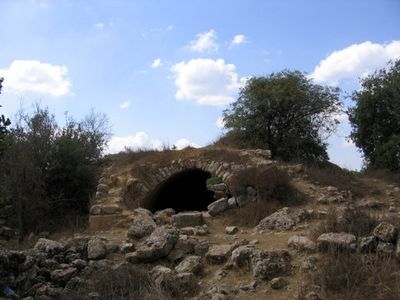
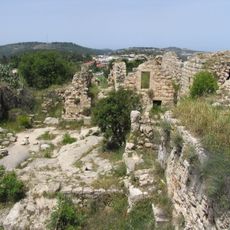
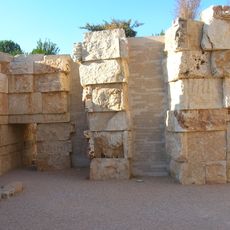
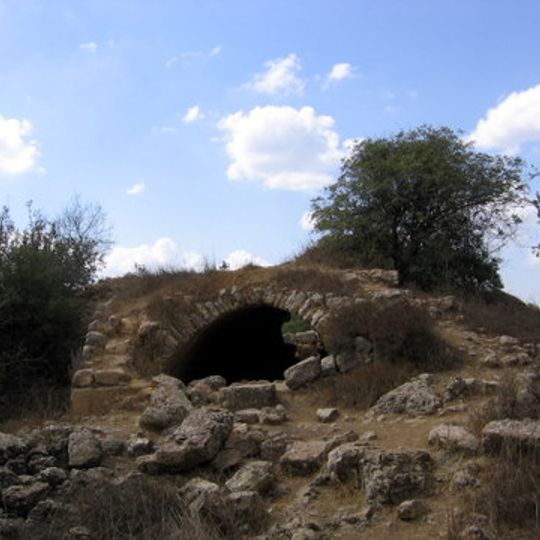
Hurvat Saadim is an archaeological site and nature reserve containing remains of an ancient Jewish village from the Second Temple period. The excavations uncovered a synagogue, wine presses, ritual baths, and an underground hiding system that reveal how people lived in this community.
The settlement originated in the Persian period and was destroyed during the First Jewish-Roman War, only to be resettled afterward. Excavations from 1999 to 2000 uncovered coins from the Yehud period and other artifacts, while also discovering a mass grave linked to the Bar Kokhba revolt.
The name comes from an ancient pottery inscription referencing a place mentioned by the historian Josephus. The Arabic name Umm Suweid means mother of buckthorns, reflecting the plants that grow in this landscape.
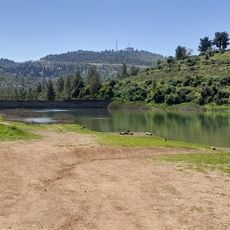
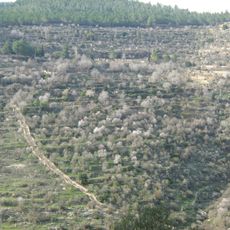
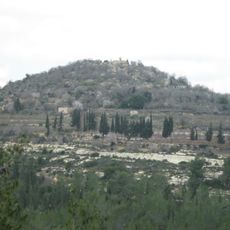
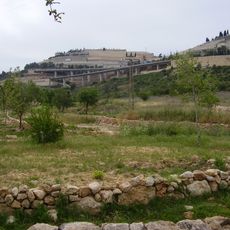
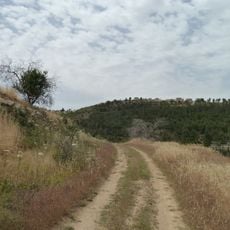
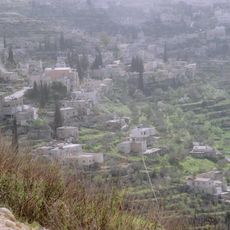
The site is located within Adullam-France Park, roughly 35 kilometers southwest of Jerusalem, making it easy to access by car. The area combines archaeological remains with walking trails and natural scenery, allowing visitors to explore both the excavated structures and the surrounding landscape.
The village's underground hiding system was built and used by residents during times of conflict as a practical survival measure. These tunnel systems are among the best preserved examples of such escape chambers from this period in the region.
The community of curious travelers
AroundUs brings together thousands of curated places, local tips, and hidden gems, enriched daily by 91,668 contributors worldwide.