Kurisumala Ashram, Trappist monastery in Vagamon, India
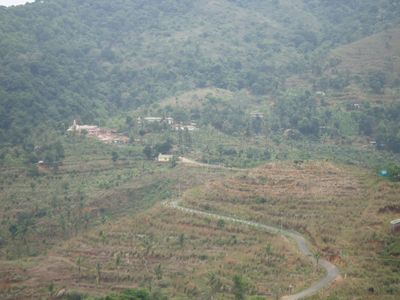
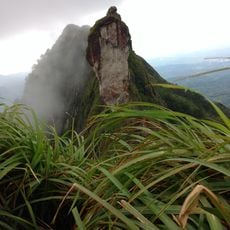
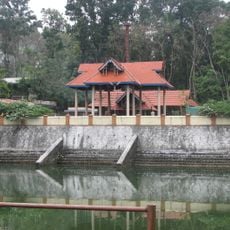
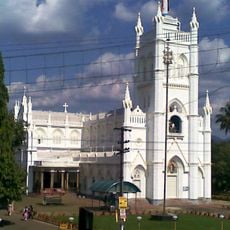
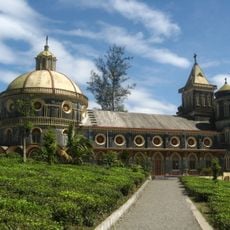
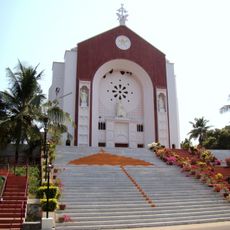
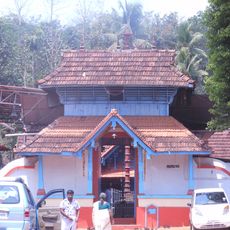
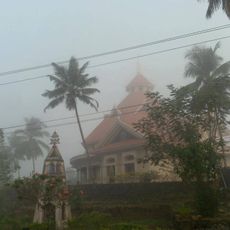
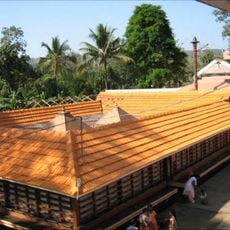
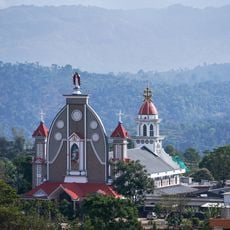
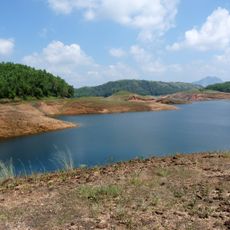
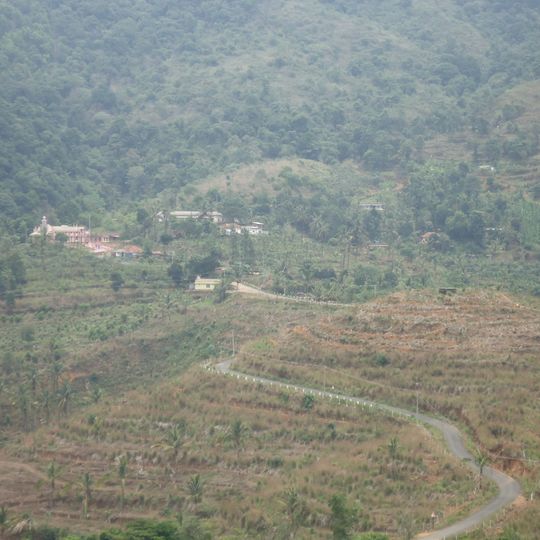
Kurisumala Ashram is a Trappist monastery set across 88 acres in the Sahya Mountains of Kerala, with buildings designed according to Trappist architectural principles. The structures blend into the hilly landscape and were built to support a self-sustaining community life.
Francis Mahieu from Belgium's Scourmont Abbey founded the ashram in 1958 alongside Bede Griffiths, following an invitation from Bishop Zacharias Mar Athanasios. This establishment brought the Trappist tradition to this mountainous region of Kerala.
The monastery blends Christian monastic life with Indian spiritual traditions, creating a space where both ways coexist in daily practice. Services follow the Syro-Malankara tradition and incorporate elements of the Indian Rite, giving the community its own distinct spiritual character.
Visitors can join daily prayers, meditation sessions, and spiritual discussions that shape life at the ashram. It helps to learn about the daily rhythm in advance and bring appropriate clothing for religious spaces.
Monks spend several hours each day doing manual labor, a core practice in Trappist life. This physical work is seen as a way to connect prayer with everyday action.
The community of curious travelers
AroundUs brings together thousands of curated places, local tips, and hidden gems, enriched daily by 90,986 contributors worldwide.