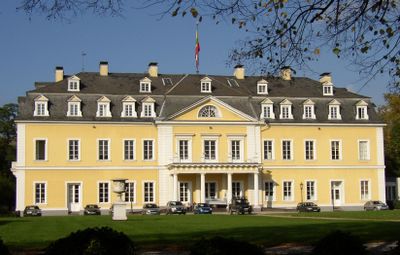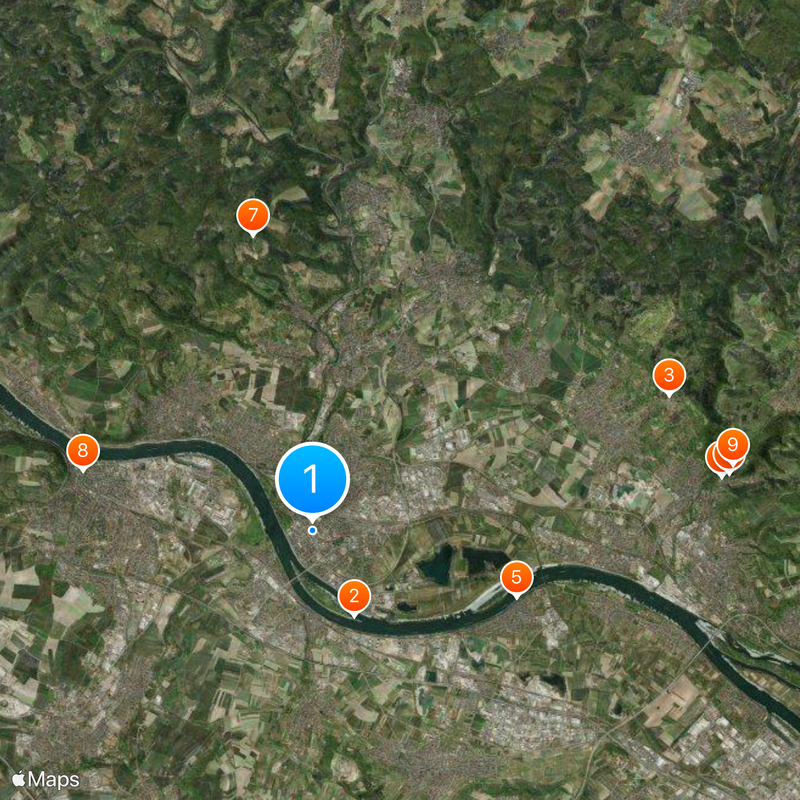
Neuwied, Administrative center in Rhineland-Palatinate, Germany
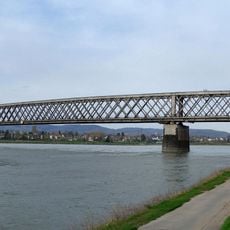
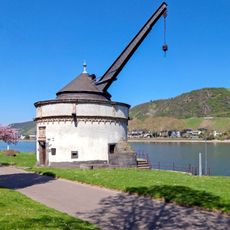
The town sits on the eastern bank of the Rhine and divides into thirteen districts, with Heimbach-Weis housing eight thousand people as the largest. The municipality stretches along the river and connects older settlement cores with newer residential neighborhoods.
Count Frederick III of Wied founded the settlement in sixteen fifty-three on the ruins of Langendorf village, destroyed during the Thirty Years' War. The early industrial Rasselstein iron rolling mill arose later through Count John Frederick Alexander and marked an economic turning point.
The founder granted freedom of worship to all denominations and attracted reformed Protestants, Mennonites and Moravian Brothers. This openness shaped civic life for centuries and turned the town into a refuge for religious communities from across Europe.
Federal highways Nine, Forty-two and Two Hundred Fifty-six cross the municipal area and link it to surrounding regions. Two railway stations offer connections to regional and long-distance trains heading toward Frankfurt and Cologne.
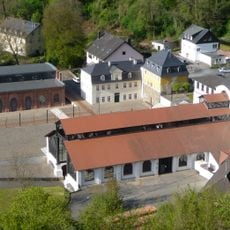
The Rasselstein rolling mill belonged to the first industrial operations in German lands and processed sheet iron from the eighteenth century onward. This early mechanization changed the economic orientation of the entire region over time.
The community of curious travelers
AroundUs brings together thousands of curated places, local tips, and hidden gems, enriched daily by 90,804 contributors worldwide.