Strategic Railway Embankment, Uncompleted German railway
The Strategic Railway Embankment is a planned railway line meant to connect the Ruhr area with Germany's southwestern border. Construction began in 1904 but was interrupted after World War I, leaving only segments with embankments, bridges, and tunnels.
Planning for the line began in 1904 as a military project to move troops quickly toward the French border. World War I and subsequent political tensions led to the project's abandonment, though about 13 kilometers between Holzheim and Rommerskirchen were partially completed.
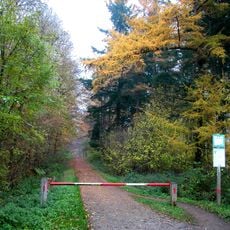
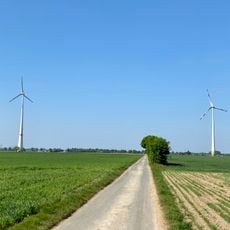
The name reflects its military purpose, yet today hikers and cyclists use the preserved sections as a route through the countryside. The landscape tells the story of an era when railways shaped strategic thinking.
The preserved sections are mainly accessible between Neuss and Rommerskirchen and now serve as a walking and cycling path. Visitors should note that the route is open but some parts pass through private land or near active railway areas.
During the Cold War, some tunnels were converted into bunkers to shelter people. These underground structures show how the historical infrastructure was repurposed for entirely new purposes across decades.
The community of curious travelers
AroundUs brings together thousands of curated places, local tips, and hidden gems, enriched daily by 92,265 contributors worldwide.