Kannenbäckerland, Pottery cultural region in Rhineland-Palatinate, Germany
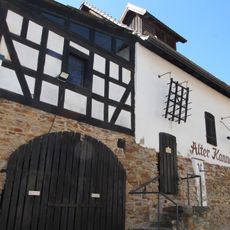
Kannenbäckerland is a pottery center in Rhineland-Palatinate stretching from Wirges in the Westerwald hills to Bendorf and Vallendar along the Middle Rhine valley. The region contains over 100 ceramic workshops, especially in Höhr-Grenzhausen, where traditional craftsmanship remains the focus.
Pottery production in this region is documented from 1402 onward, though the area received its name Kannenbäckerland only in the late 18th century. This long tradition was sustained by local clay deposits that made the craft viable across generations.
The region is known for its salt-glazed pottery, which produces grey and blue colored pieces. Visitors can watch craftspeople at work in studios, observing techniques that have been passed down for centuries.
Visitors can explore ceramic museums, participate in pottery workshops, or follow the Kannenbäcker Strasse as a marked touring route. It helps to check opening times in advance, as many studios are accessible by appointment.
The clay here comes from deposits formed 70 to 100 million years ago beneath a prehistoric sea. This geological condition made the region the world's largest consolidated pottery center.
The community of curious travelers
AroundUs brings together thousands of curated places, local tips, and hidden gems, enriched daily by 60,000 contributors worldwide.