Museum für Meereskunde, Maritime museum in central Berlin, Germany
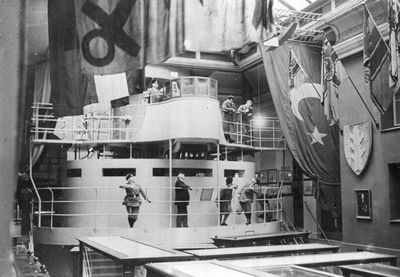
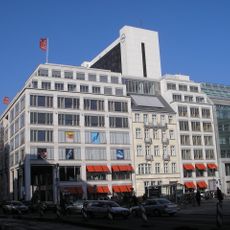
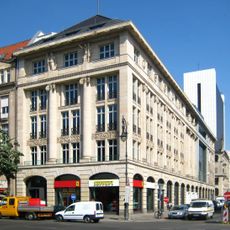
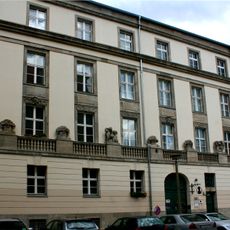
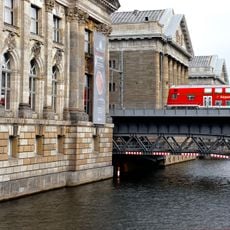
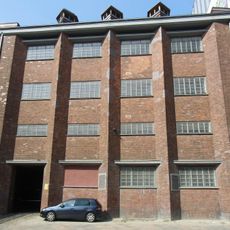
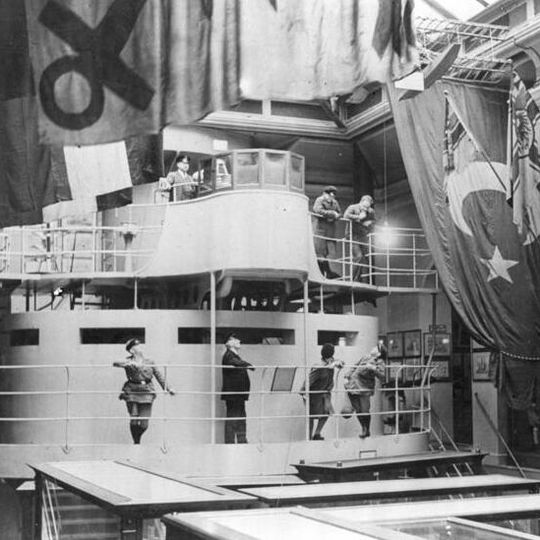
The Museum für Meereskunde was a natural history museum in Berlin organized into four distinct collections: Imperial Navy, Historical Economic, Oceanological, and Biological and Fisheries sections. The exhibits were housed in a former chemistry laboratory building that contained specimens and objects related to maritime research.
The museum was founded in 1906 and immediately displayed extensive collections related to oceanography and naval history. It suffered severe damage during World War II and closed permanently in 1946, after which the remaining collections were moved to other institutions.
The museum served as a place where visitors could learn about how people connected with and used the sea. The exhibits showed the practical ways that humans worked with ocean resources and studied marine life.
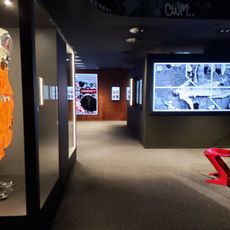
The museum no longer operates as an independent venue, but portions of its collections are on display in other Berlin institutions today. Visitors interested in maritime history and oceanography can find related exhibits at the Deutsches Technikmuseum and other city museums.
The museum housed marine samples collected during the famous Valdivia expedition, a research voyage that explored the deepest ocean regions. These specimens were among the most valuable objects in the entire collection and revealed how scientists of that era discovered new underwater worlds.
The community of curious travelers
AroundUs brings together thousands of curated places, local tips, and hidden gems, enriched daily by 90,900 contributors worldwide.