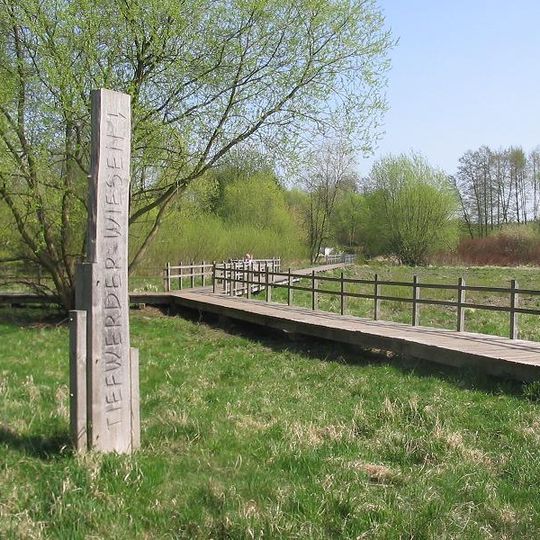
Tiefwerder Wiesen, Natural floodplain in Spandau district, Berlin, Germany
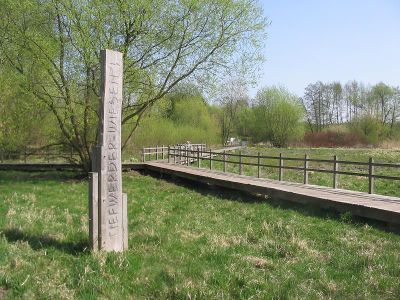
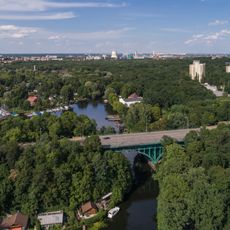
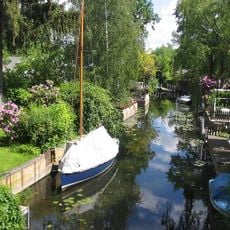
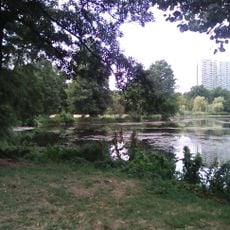
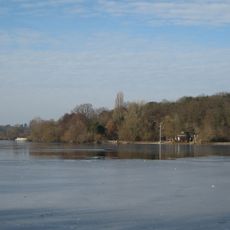
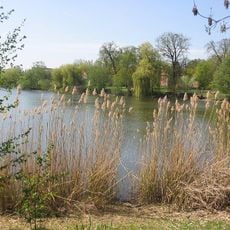
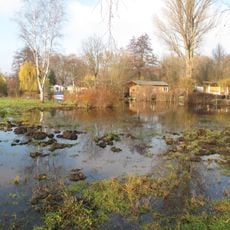
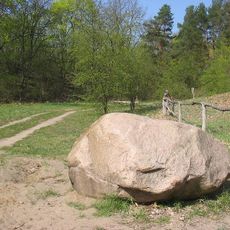
Tiefwerder Wiesen is a floodplain in the Spandau district of Berlin, made up of wet meadows, old Havel River channels, and a small lake called Faule See. The area sits within a protected conservation zone crossed by ditches and bordered by dense riverside vegetation.
Early Slavic communities built settlements along the shores of Faule See, as shown by archaeological finds in the area. Over the following centuries, the water levels shifted naturally, gradually shaping the low-lying landscape seen today.
The area draws school groups and nature lovers who want to see a wetland up close, away from the city noise. The open meadows make it easy to spot birds along the water's edge without needing any special equipment.
Footpaths run through the area and make it easy to explore on foot without entering protected zones. Spring and early autumn tend to offer the best conditions for watching birds and spotting wetland plants.
The floodplain is the last remaining spawning ground for pike in Berlin, a fact that often surprises visitors. It also shelters rare plants like bladder sedge, which thrive in the waterlogged soils and are rarely seen elsewhere in the city.
The community of curious travelers
AroundUs brings together thousands of curated places, local tips, and hidden gems, enriched daily by 91,870 contributors worldwide.