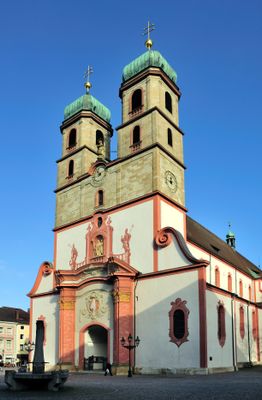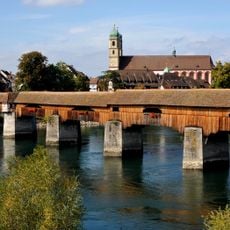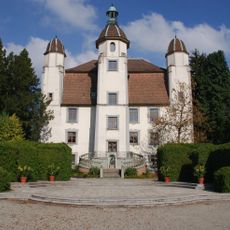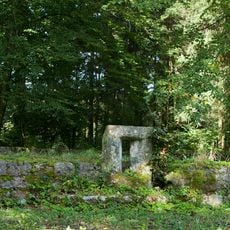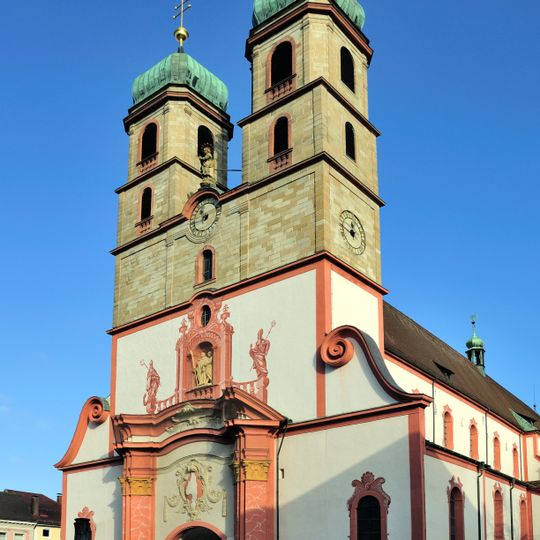
Säckingen Abbey, Roman Catholic abbey in Bad Säckingen, Germany
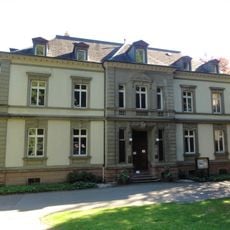
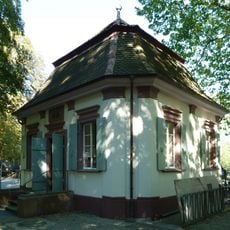
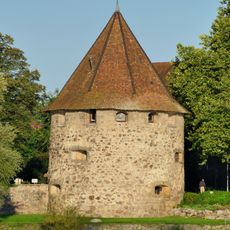
Säckingen Abbey is a Benedictine monastery located on an island in the Rhine River, with buildings showcasing multiple architectural styles from different centuries. The complex combines Romanesque and Gothic structures, expanded through later additions over time.
Founded in the 6th century by Irish monk Fridolin, the monastery evolved from a double monastery into a major religious institution for the upper Rhine region. In 878, Emperor Charles the Fat granted the complex to his wife Richardis along with extensive territories.
The abbey functioned as an educational hub where women from noble families received training and wielded considerable power in regional decisions. Walking through the site today, one can appreciate how these women shaped religious community life and local matters.
The site functions today as a Caritas Community Center, allowing visitors to explore parts of the complex. It is advisable to check opening hours and access rules beforehand, as the location remains an active social services facility.
The monastery was home to Saint Fridolina, a martyr whose veneration shaped the site's pilgrimage tradition for centuries. Her relics attracted pilgrims from across the region, making the complex a significant destination for religious travelers.
The community of curious travelers
AroundUs brings together thousands of curated places, local tips, and hidden gems, enriched daily by 91,380 contributors worldwide.