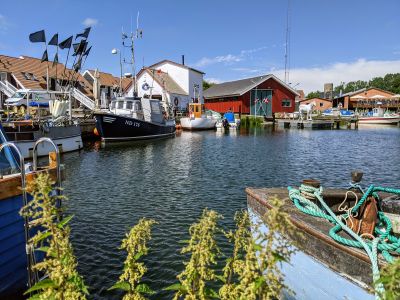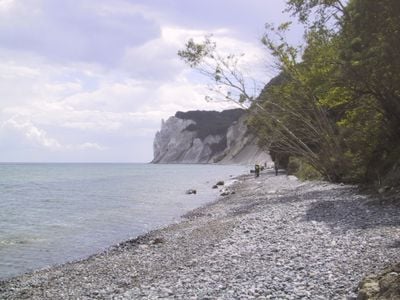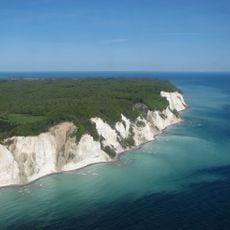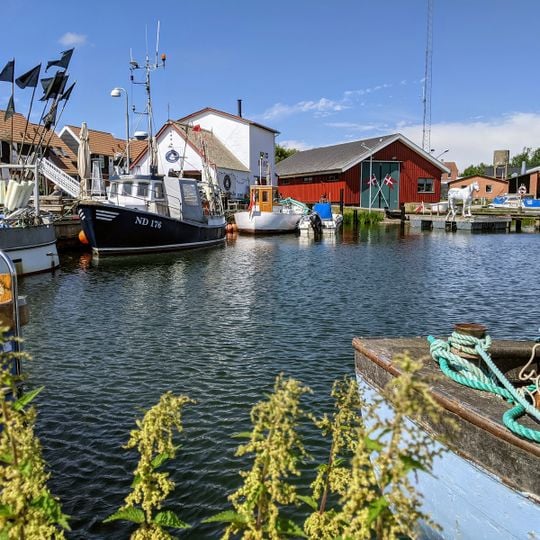
Møn, Biosphere reserve and dark sky park in southern Denmark.
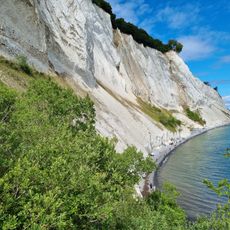
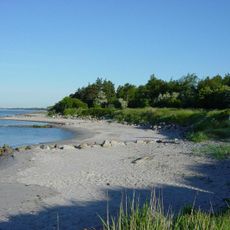
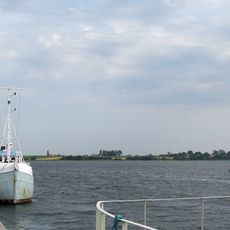
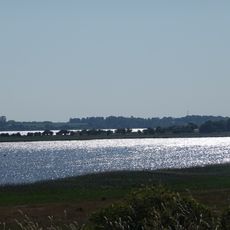
Møn is an island in southern Denmark with white chalk cliffs rising up to 128 meters above the Baltic Sea, along with extensive forests, meadows, and coastal habitats. The landscape includes diverse terrain ranging from beach areas to woodland regions with rare plant species.
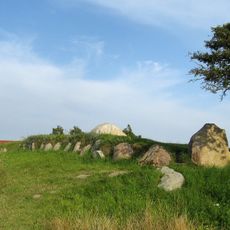
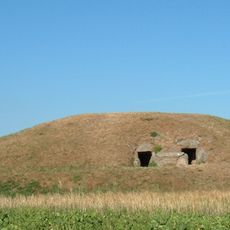
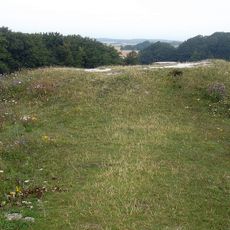
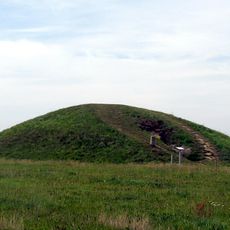
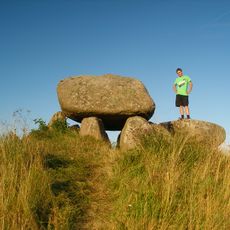
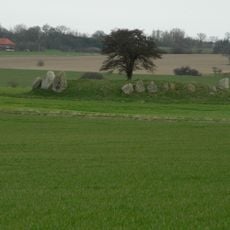
The region shows traces of human settlement from about 10,000 years ago, with Stone Age burial mounds scattered across the landscape. These early habitations reveal a long history of human presence in this area.
The name comes from ancient Scandinavian roots referring to strength and power. Locals and visitors engage with the land through hiking, wildlife watching, and experiencing clear night skies in a protected dark environment.
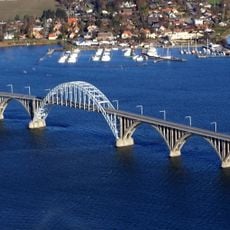
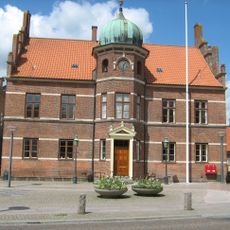
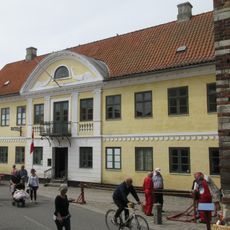
The island is accessible via the Queen Alexandrine Bridge from Zealand, with accommodation options in Stege town and smaller settlements throughout the area. Visitors should prepare for changing weather and wear comfortable walking shoes, as many areas are best explored on foot.
The area is home to 18 species of wild orchids and shelters the large blue butterfly, peregrine falcons, and many other protected animal species. This biodiversity makes it one of Denmark's most valuable habitats for specialized wildlife observers.
The community of curious travelers
AroundUs brings together thousands of curated places, local tips, and hidden gems, enriched daily by 91,917 contributors worldwide.