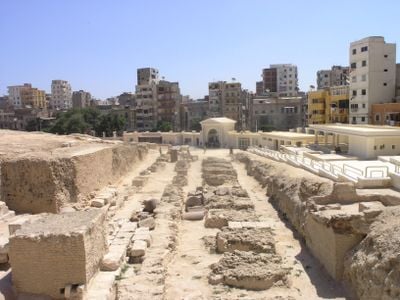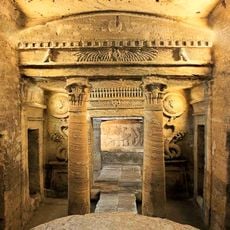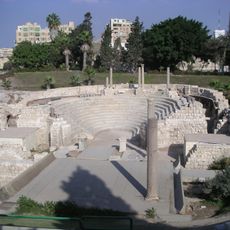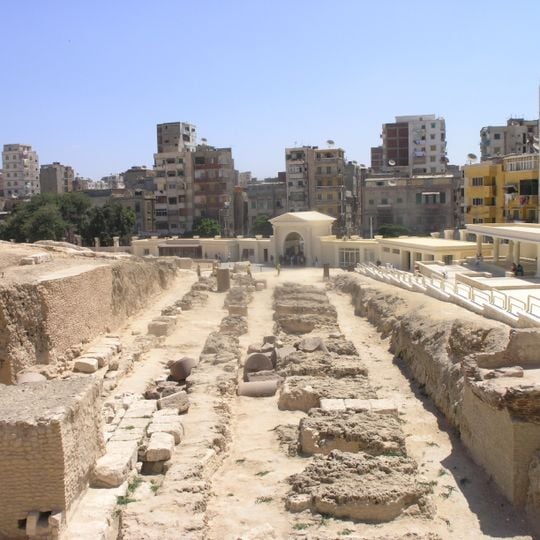
Serapeum of Alexandria, Temple ruins in Alexandria, Egypt.
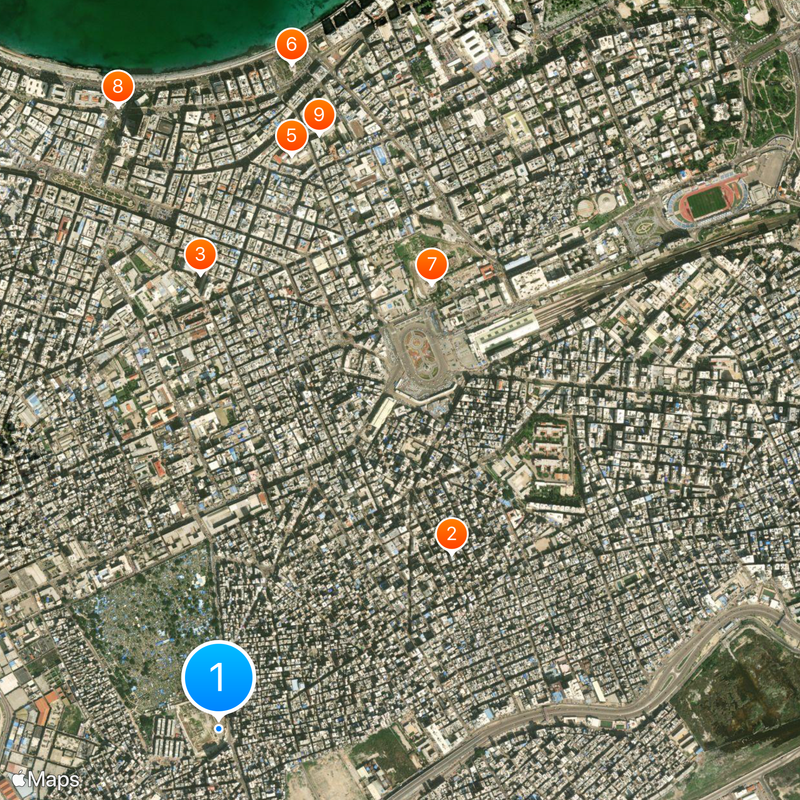
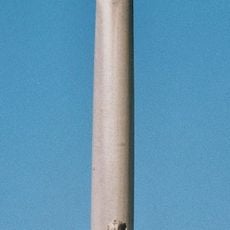
The Serapeum of Alexandria was a Hellenistic temple complex in the Egyptian port city that stood on a rocky plateau above the Mediterranean Sea. Today the so-called Pompey's Pillar marks the original location, surrounded by ruin fragments and underground passages that once led to the sanctuary.
Ptolemy III Euergetes ordered the construction of the temple between 246 and 222 BC to honor Serapis and simultaneously house a branch of the Alexandrian library. Christian followers destroyed the sanctuary in 391 AD under Bishop Theophilus during religious conflicts between old and new faiths.
Serapis merged Greek and Egyptian deities into a single syncretic figure that both Hellenistic settlers and native Egyptians could worship. The temple served simultaneously as a religious site and a place of study where scholars copied texts and students learned philosophy.
The archaeological area sits on elevated ground, which can be tiring in hot weather but also provides shade from the column. Visitors should wear comfortable footwear as the terrain is uneven and there are several steps to navigate.
Archaeologists discovered foundation offerings beneath the base, including plaques of gold, silver, bronze, and glass that symbolically protected the construction. These finds show how the Ptolemies blended ritual Egyptian customs with Greek building traditions.
The community of curious travelers
AroundUs brings together thousands of curated places, local tips, and hidden gems, enriched daily by 91,697 contributors worldwide.