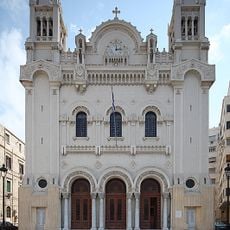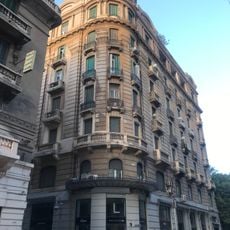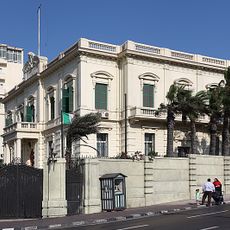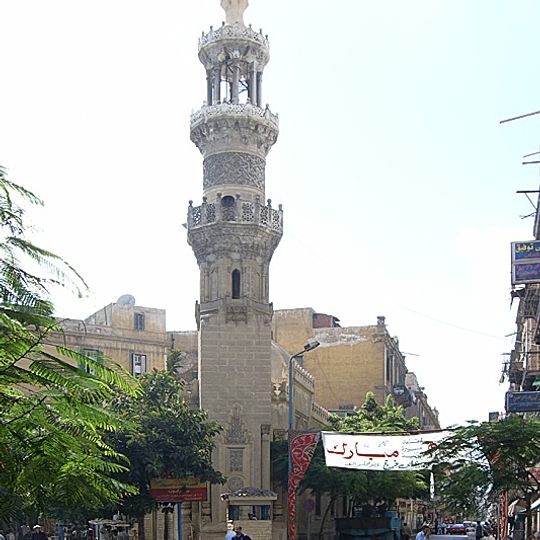
Attarine Mosque, Religious monument in Attarine district, Alexandria, Egypt
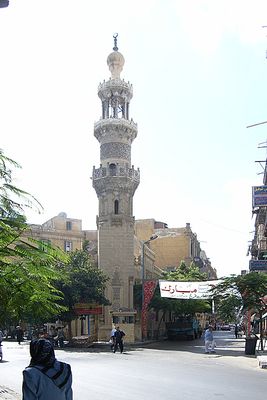
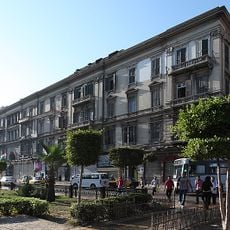
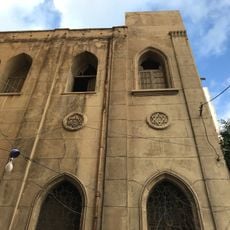
The Attarine Mosque is a religious building in the Attarine district of Alexandria with a rectangular layout and two primary facades. A four-level minaret rises above the structure, each tier decorated with geometric patterns.
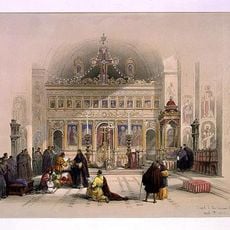
The structure began as the Church of Saint Athanasius in 370 AD and was converted to a mosque following Islam's arrival in Egypt.
Inside, the prayer hall displays green and brown decorative elements and gilded columns that catch the light throughout the space. Inscriptions cover the walls, adding layers of meaning to the interior.
The site has separate prayer areas for male and female visitors, with both spaces properly set up for use. Eight commercial shops nearby support the building's upkeep.
A sarcophagus discovered in the courtyard was identified as belonging to Nectanebo II, the last native pharaoh of Egypt, and is now in the British Museum. The find gives visitors a tangible link to ancient Egyptian royalty.
The community of curious travelers
AroundUs brings together thousands of curated places, local tips, and hidden gems, enriched daily by 92,946 contributors worldwide.