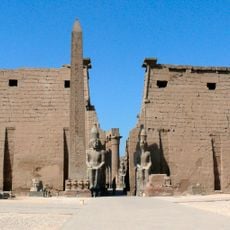
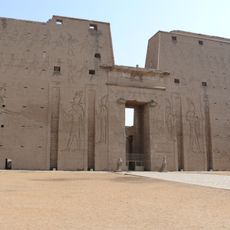
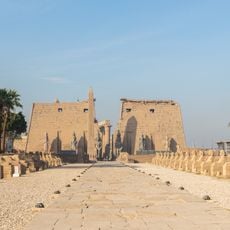
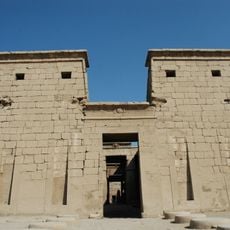
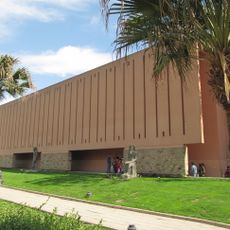
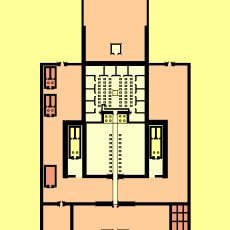
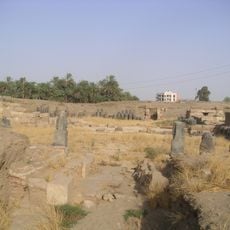
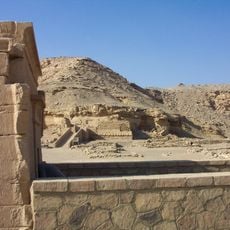
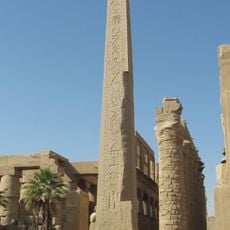
Nekhen, Archaeological site in Aswan Governorate, Egypt.
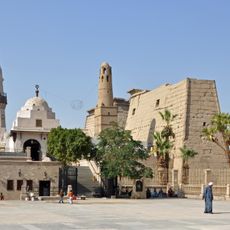
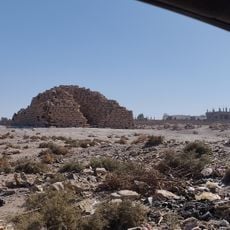
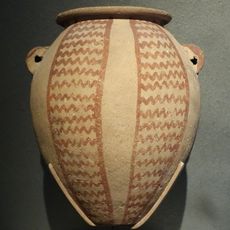
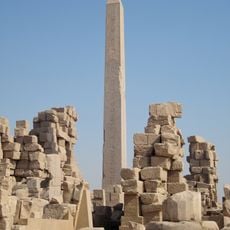
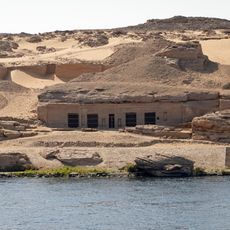
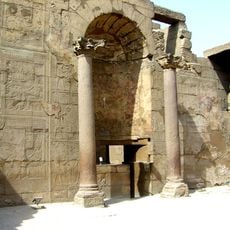
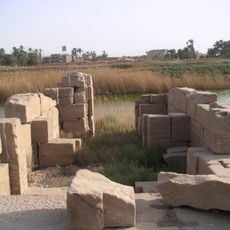
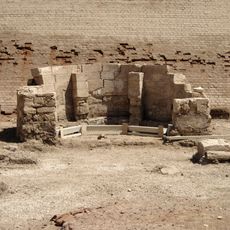
Nekhen sits on the western bank of the Nile and contains temple complexes, burial areas, and residential structures from predynastic times. The remains spread across multiple hectares and show different building phases of early Egyptian settlement.
This settlement served as the religious and political center of Upper Egypt before 3200 BCE. It played a central role in the union of the two lands and lost its importance after the founding of Memphis.
The Narmer Palette, found at Nekhen, is a carved siltstone cosmetic palette, not a shield; it shows a king wearing the crowns of Upper and Lower Egypt and is among the first depictions of Egyptian kingship. The site was the cult centre of Horus of Nekhen, whose temple raised one of Egypt's oldest shrines and drew votive deposits such as the Scorpion Macehead.
Visitors need prior permission through registered Egyptian tourism agencies that offer guided walks. Morning hours work best for exploring the site, as the heat becomes less intense during that time.
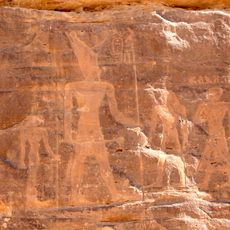
The Painted Tomb, Tomb 100, dates to c. 3500–3200 BC and is the oldest known tomb with painted decoration in Egypt. Its plaster walls show a funerary boat procession, a figure between two lionesses and horned quadrupeds, motifs that recur in Egyptian art for three millennia. The tomb was found in the late 19th century and is now destroyed.
The community of curious travelers
AroundUs brings together thousands of curated places, local tips, and hidden gems, enriched daily by 93,535 contributors worldwide.