El Kab, Archaeological site near the Nile River, Egypt
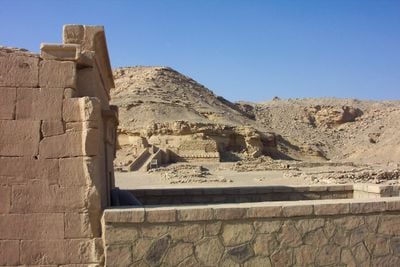
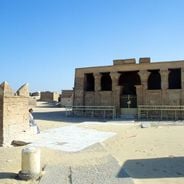
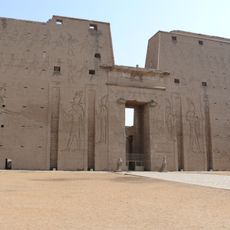
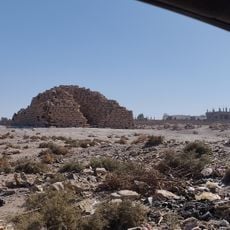
El Kab is an archaeological site on the eastern bank of the Nile featuring residential buildings, temples, and rock-cut tombs enclosed within mud-brick walls. The remains span different periods and are spread across a large area, showing how an early Egyptian city developed and changed over time.
El Kab, called Nekheb in ancient times, was an important urban center during the Early Dynastic period and served as capital of the third province of Upper Egypt. The site remained inhabited across multiple dynasties and played a role in conflicts between Egyptian and foreign powers.
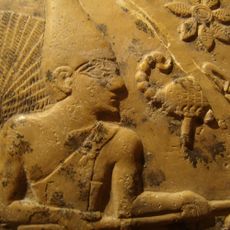
The name Nekheb refers to Nekhbet, the goddess shown as a white vulture; the Greeks identified her with Eileithyia and called the town Eileithyias polis. In the tomb of Pahéri, nomarch of Nekhen and tutor of prince Ouadjmès, the vaulted chamber shows the prince on Pahéri's knees, wheat and flax harvesting, pig herding, and hunting and fishing watched from a small pavilion.
The site lies south of Luxor and is difficult to reach without personal transportation, as it is remote and lacks visitor services on location. Bring plenty of water and sun protection, as the ground is open with little shade.
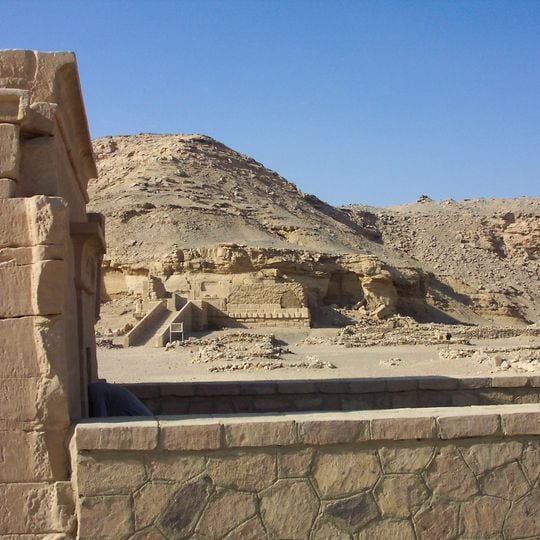
The necropolis lies about 600 m outside the town walls, on the south slope of the hill above El Kab. Tomb EK3, that of Pahéri, is the best preserved and shows the prince Ouadjmès on his tutor's knees, with agricultural work, hunting and fishing scenes around him. Pahéri was a nomarch of Nekhen and tutor of Thutmose I's second son.
The community of curious travelers
AroundUs brings together thousands of curated places, local tips, and hidden gems, enriched daily by 93,170 contributors worldwide.