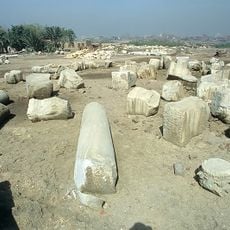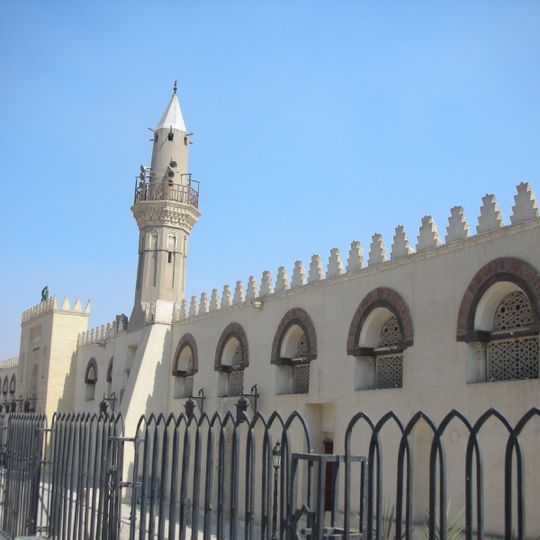
Mosque of Amr ibn al-As, Islamic mosque in Old Cairo, Egypt
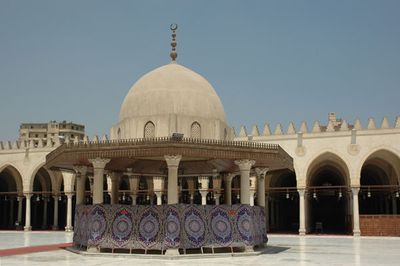
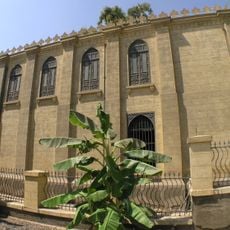
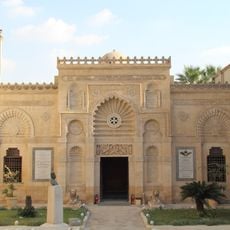
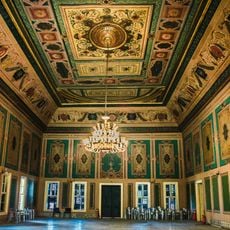
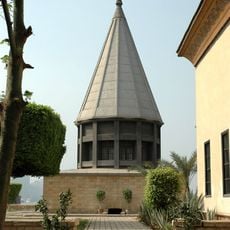
The Mosque of Amr ibn al-As stands in Fustat, Old Cairo, on a rectangular plan of about 120 by 112 metres, with a central courtyard (sahn) holding an ablution fountain and surrounded by four porticoes (riwaq). The prayer hall keeps rows of arcades on columns, said to be no two alike, and its current single minaret, built by Mourad Bey around 1800, rises in stages to a conical top. Ninth-century carved wooden architraves and 14th-century windows with wooden latticework survive.
General Amr ibn al-As founded this house of worship in 641 following the Arab conquest of Egypt as the first Islamic structure in Africa. Over the centuries it was expanded and renovated several times, with the current form reflecting different building phases.
The mosque is also known in Arabic as al-Jami' al-'Atiq, "the Old Mosque", and Taj al-Jawami', "Crown of Mosques". The Egyptian scholar al-Shafi'i gave lessons here, as did Ibn Hisham, author of the Prophet's biography. Non-Muslims may visit outside prayer times and religious holidays.
Visitors should remove their shoes before entering and wear clothing that covers shoulders and knees. The building is accessible from sunrise to sunset, with prayer times shaping the daily rhythm.
The choice of location traces back to a dove that laid an egg in the general's tent, prompting him to establish Egypt's new capital here instead of Alexandria. This coincidence shaped Cairo's development and made the site the spiritual center of Arab rule.
The community of curious travelers
AroundUs brings together thousands of curated places, local tips, and hidden gems, enriched daily by 94,676 contributors worldwide.