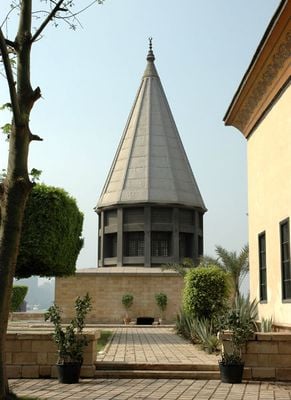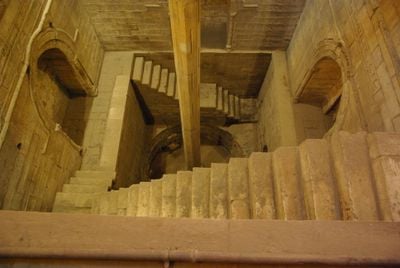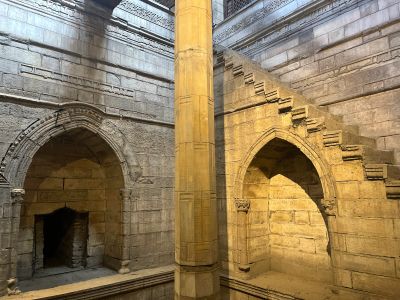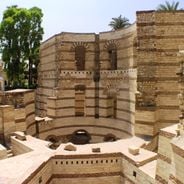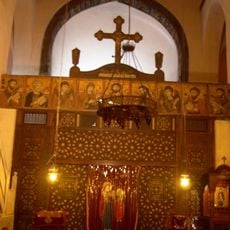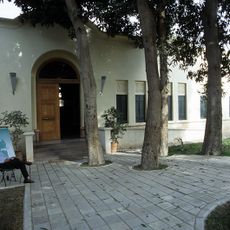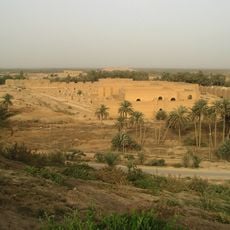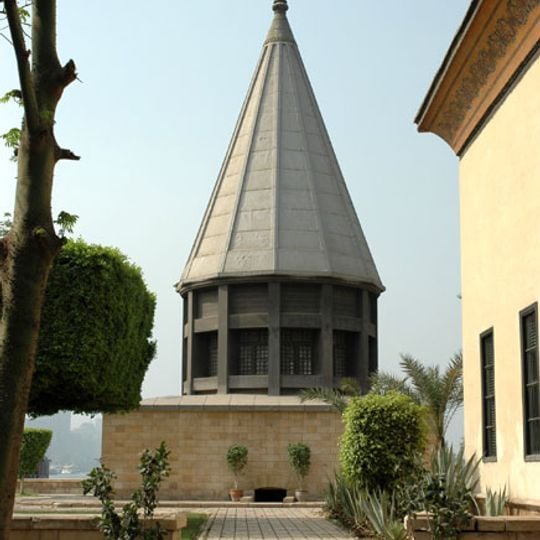
Nilometer in Rhoda Island, Ancient water measurement structure in Rhoda Island, Egypt.
The Nilometer on Rhoda Island is an ancient water measurement structure featuring an octagonal marble column inside a stone well that changes from a rectangular top to a circular base. Carved marks on the marble column inside form a graduated scale that allowed officials to track precise water level changes.
This structure was built in 861 AD under caliph Al-Mutawakkil to predict annual Nile floods and determine taxation levels for landowners and farmers. A cone-shaped dome was added much later in 1925 as the structure underwent restoration and adaptation to modern times.
The walls display Quranic inscriptions that connect water, mathematics, and prosperity, showcasing one of Egypt's oldest examples of Kufic script. These writings show how deeply the Nile, religious faith, and daily survival were intertwined for the people of that era.
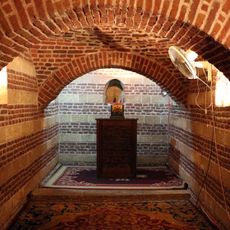
You can step into the internal chamber to view the measurement system up close, which is marked by carved lines on the marble column. The space inside is quite narrow and dim, so it helps to bring a flashlight or allow your eyes to adjust to the low light.
The structure blends three distinct architectural styles beneath its surface: a medieval well, classical measurement tools, and a 20th-century cone-shaped dome. This layering of construction methods from different eras reveals how engineering approaches to water management evolved across Egyptian history.
The community of curious travelers
AroundUs brings together thousands of curated places, local tips, and hidden gems, enriched daily by 92,874 contributors worldwide.