Al-Fustat, Archaeological site in Old Cairo District, Egypt
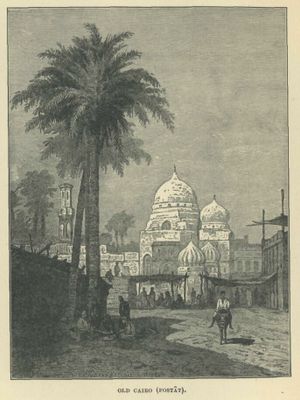
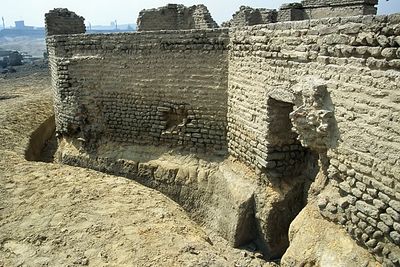
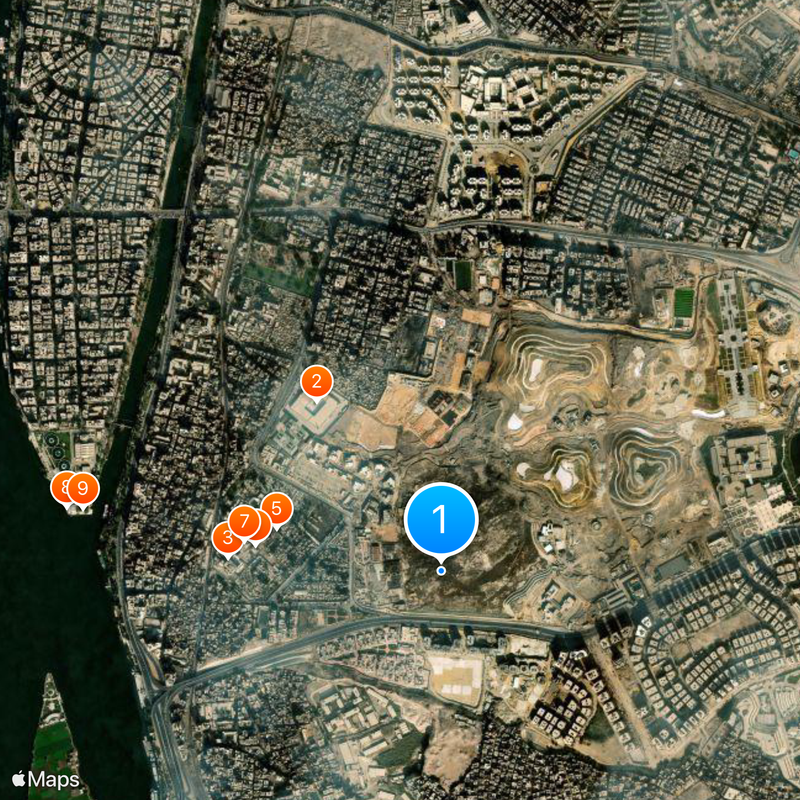
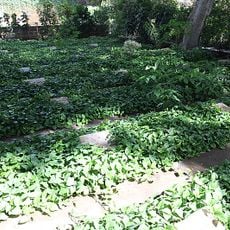
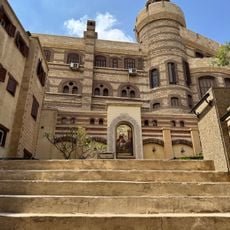
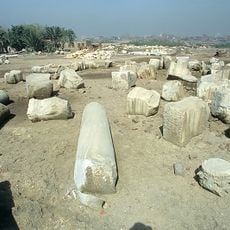
Al-Fustat is an archaeological site spanning several hectares in the Old Cairo District, where fragments of medieval residential foundations, streets, and courtyards lie scattered across the ground. The ruins still show the layout of neighborhoods, houses, and pathways that formed the first Islamic metropolis along the Nile.
The settlement began in 641 as a military camp and grew into the first Islamic capital of Egypt. By the 12th century, it had become a major trading hub before being gradually abandoned and replaced by later rulers with new districts.
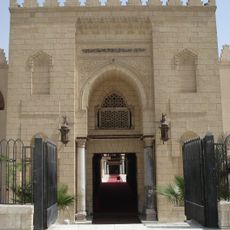
The Mosque of Amr ibn al-As serves as the country's oldest Islamic house of prayer and remains active for Friday gatherings. Its courtyard and columns offer a glimpse into how early Muslim communities organized their religious spaces.
Tours usually start at the nearby National Museum of Egyptian Civilization and proceed with a guide through open ground. The terrain is uneven in places, so sturdy footwear and sun protection are advisable for the walk.
Excavations have uncovered millions of shards of Islamic pottery and glassware from workshops and households across the site. These finds form the world's largest collection of medieval Islamic everyday objects and reveal daily life among residents.
The community of curious travelers
AroundUs brings together thousands of curated places, local tips, and hidden gems, enriched daily by 60,000 contributors worldwide.