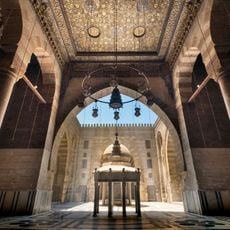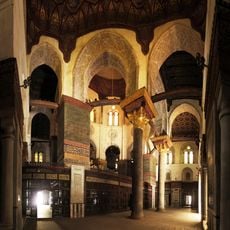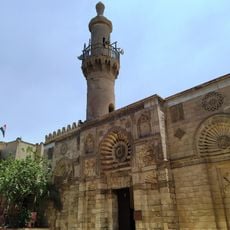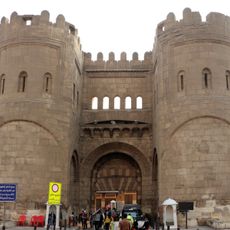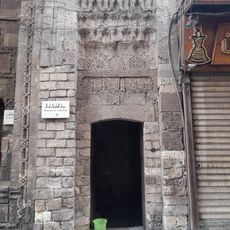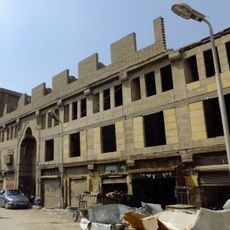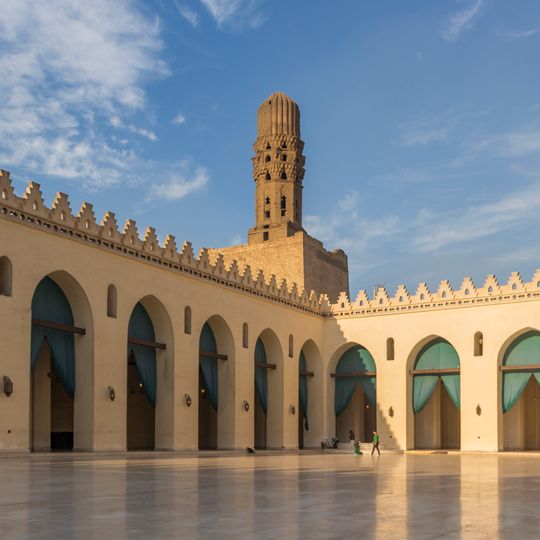
Al-Hakim Mosque, Fatimid mosque in Cairo, Egypt
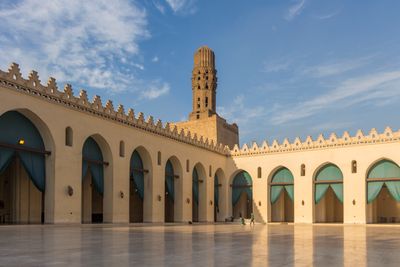
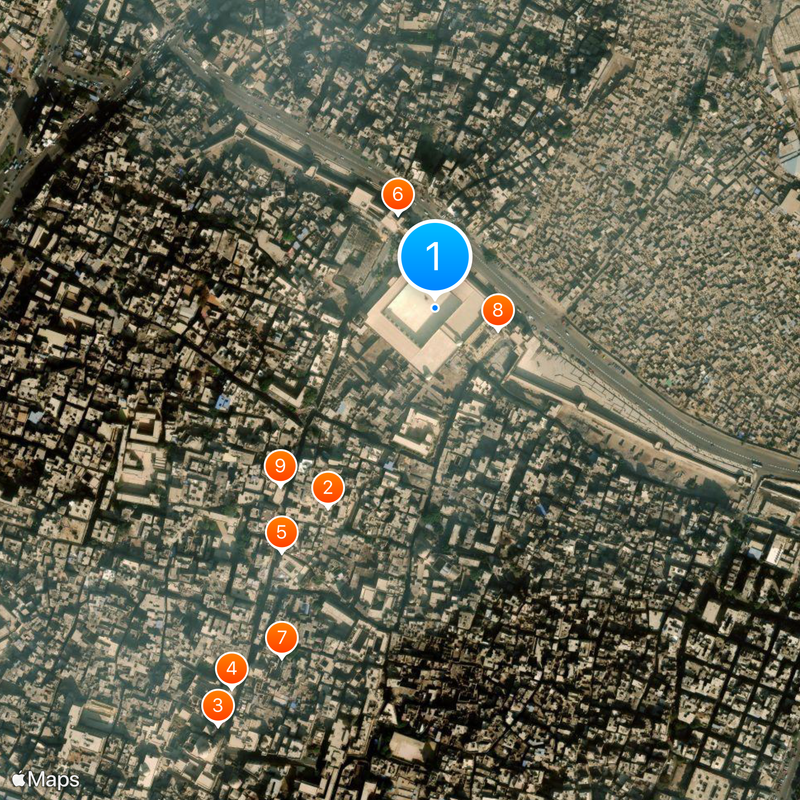
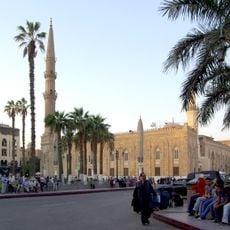
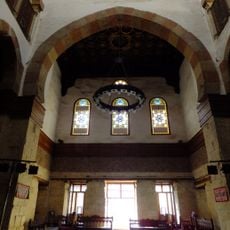
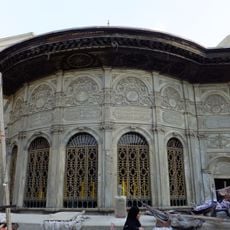
Al-Hakim Mosque stands as a congregational place of worship built by the Fatimid dynasty in Cairo during the early 11th century. The building occupies a large rectangular plan with thick limestone walls and two cylindrical towers rising from its northern corners.
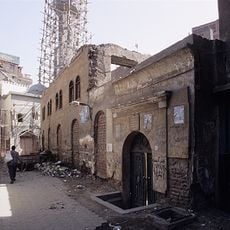
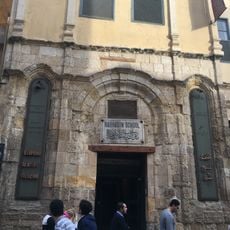
Construction started under Caliph Al-Aziz in 990 and was completed by his son Al-Hakim in 1013, who gave the building its name. After centuries of use as a warehouse and school, the mosque received major restoration work during the 1980s by the Bohra community.
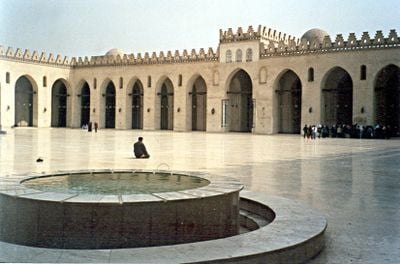
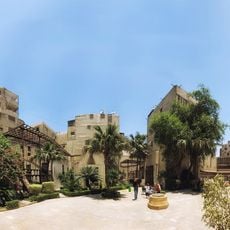
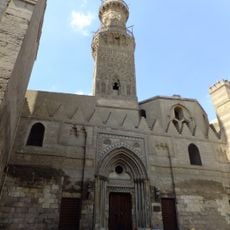
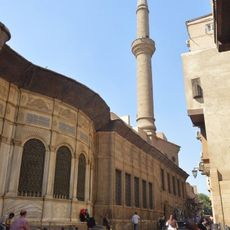
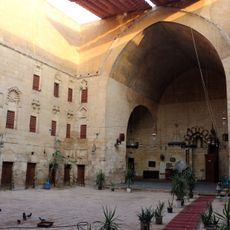
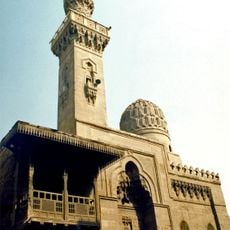
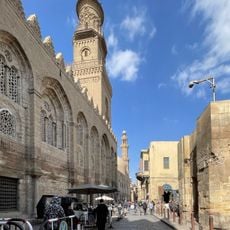
The twin minarets display an unusual shape for Fatimid structures, with their upper sections replaced later during Mamluk rule. The central courtyard still serves as a gathering space for communal prayers, particularly during large Friday congregations.
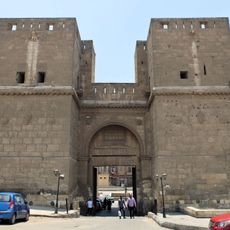
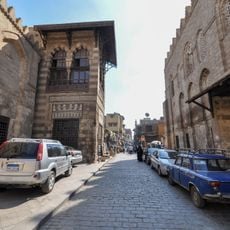
The complex sits close to Bab al-Futuh gate along Al-Muizz Street and remains open during daylight hours. Visitors should wear modest clothing and can enter the large courtyard and prayer hall when services are not taking place.
During the French occupation, Napoleon's troops converted the building into a fortress and set up observation posts in the towers. The original wooden ceilings and inscriptions were lost but were recreated in later restoration work by modern craftsmen.
The community of curious travelers
AroundUs brings together thousands of curated places, local tips, and hidden gems, enriched daily by 90,902 contributors worldwide.