Al-Aqmar Mosque, Fatimid mosque in Al Gamaleya, Egypt
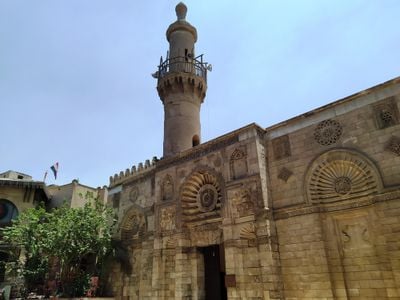
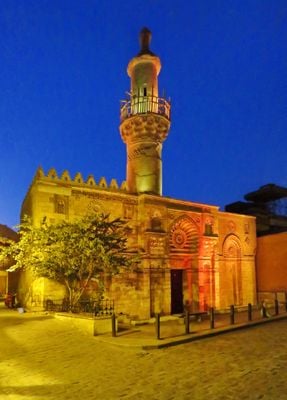
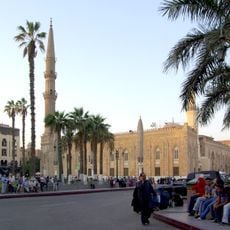
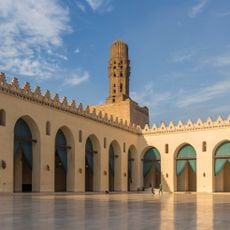
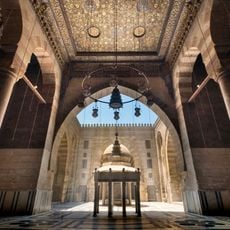
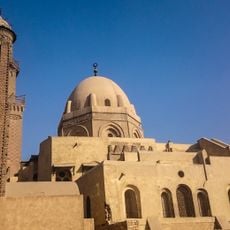
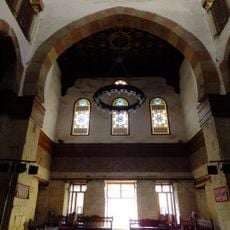
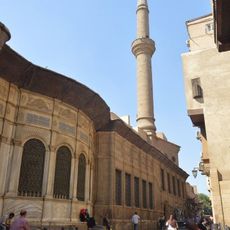
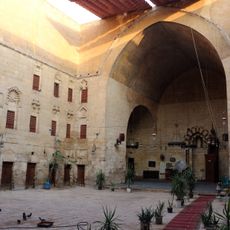
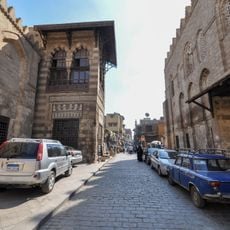
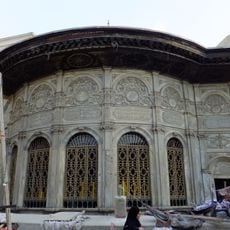
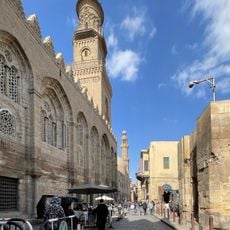
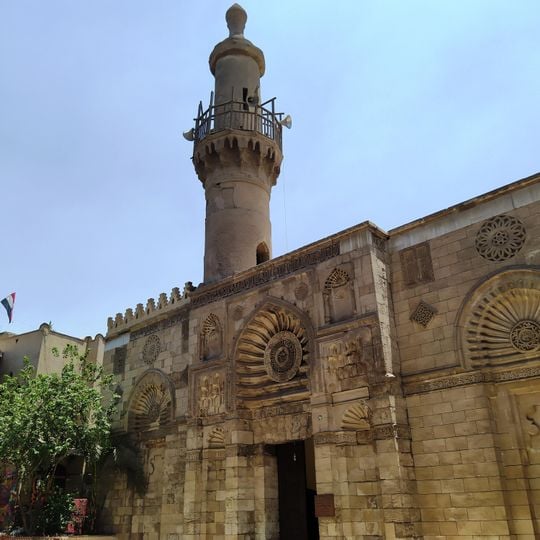
The Al-Aqmar Mosque is a 12th-century house of prayer standing on Al-Muizz Street in Cairo's historic district. The building features a prayer courtyard with shallow domes, prayer halls, and a decorated prayer niche with historical inscriptions carved into it.
The mosque was completed in 1125 (519 AH) by the Fatimid vizier al-Ma'mun al-Bata'ihi, who was arrested that year and executed three years later. The Mamluk amir Yalbugha al-Salimi restored it in 1393 or 1397, adding a minaret that collapsed in 1412 and was later rebuilt. Further restorations followed under Sulayman Agha al-Silahdar in the 19th century and the Dawoodi Bohras in 1993.
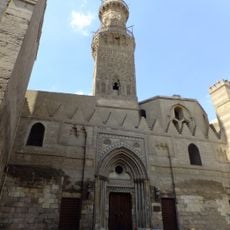
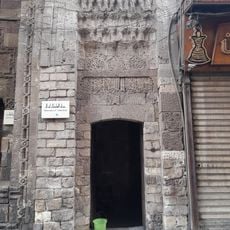
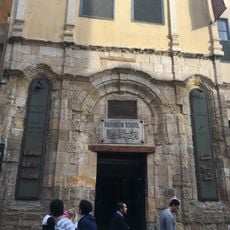
The name al-Aqmar means "the moonlit" and refers to the white stone of its facade, echoing other Fatimid mosques named for light such as al-Anwar and al-Azhar. The entrance hood holds a pierced epigraphic medallion with "Muhammad and 'Ali" at its center, surrounded by a Qur'anic verse addressing the ahl al-bayt.
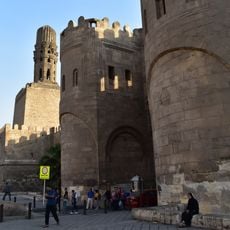
The building sits in a lively historic quarter with narrow streets and is best reached on foot. Visitors should know this is an active place of prayer and respectful behavior is expected from all who enter.
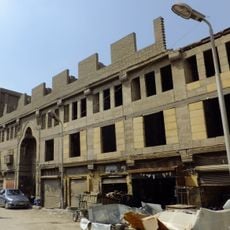
The facade follows the street line while the interior stays oriented to the qibla, and the difference in angle is absorbed by varying the thickness of the walls rather than by a triangular plan. The mosque was also built above a row of shops whose rents funded its upkeep; street levels have since risen and buried them.
The community of curious travelers
AroundUs brings together thousands of curated places, local tips, and hidden gems, enriched daily by 94,043 contributors worldwide.