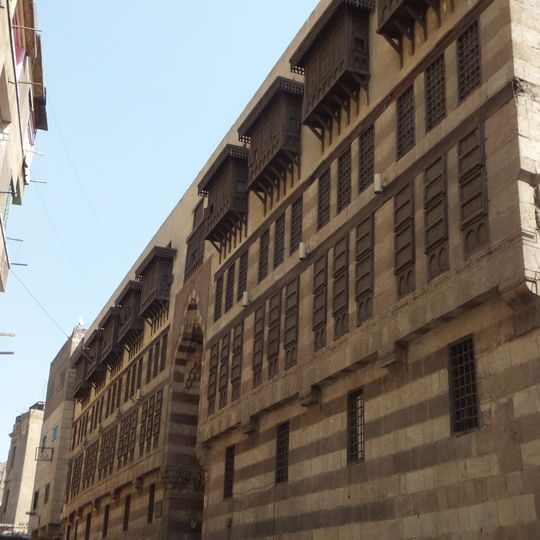
Wikalet Al-Ghuri

Log in to your account

AroundUs is a community-driven map of interesting places, built by curious explorers like you. It grows with every review, story, and photo you share.
Connect to save your favorite spots, contribute locations, and create personalized routes.
By continuing, you accept our Terms and Conditions and our Privacy Policy
Add to collection
Map
Suggest a change
Share

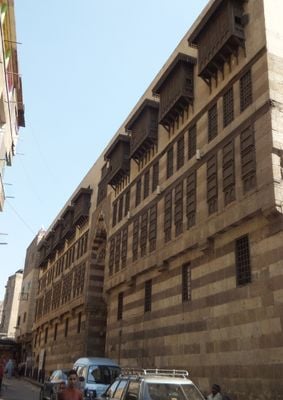
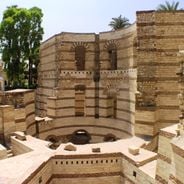
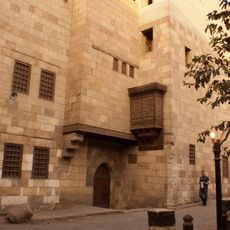
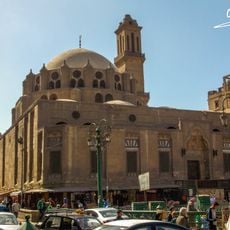
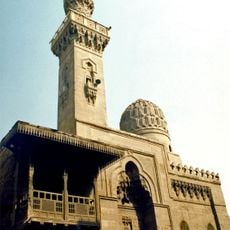
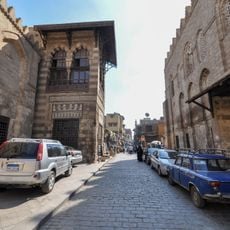
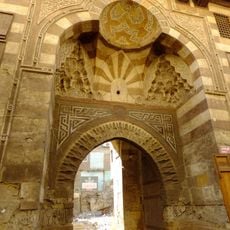
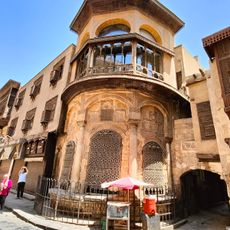
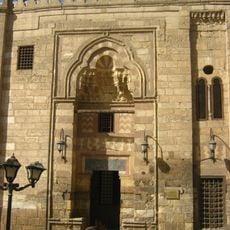
Wikalet Al-Ghuri, 16th-century caravanserai in Islamic Cairo, Egypt

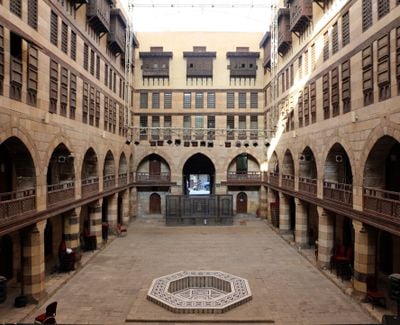
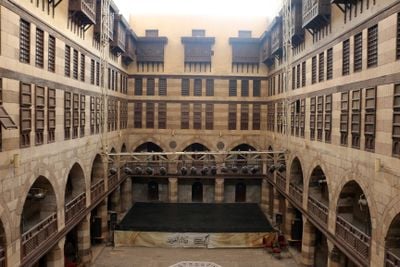
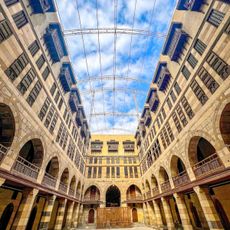
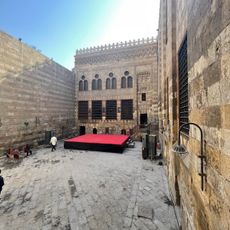
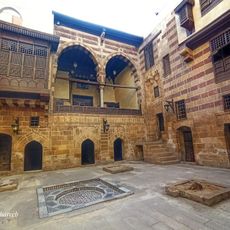
The Wikalet Al-Ghuri is a five-story commercial building organized around a rectangular courtyard with stone construction below and brick above. The central courtyard served as the hub where goods were handled and business conducted.

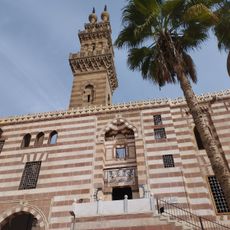
Sultan Qansuh al-Ghuri commissioned this commercial complex in 1505 as part of a larger ensemble including a mosque, mausoleum, and schools. It stands as a testament to trade's importance and the era's architectural innovation in the Mamluk realm.

The ground level served commerce and storage, while merchants lived above and other residents occupied the higher floors. This arrangement still reflects how closely business and daily life intertwined in medieval Cairo.

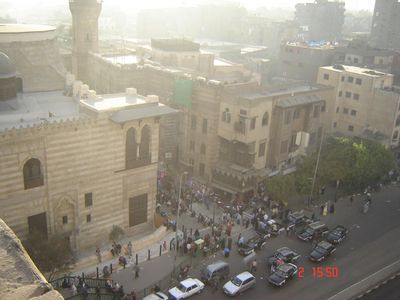
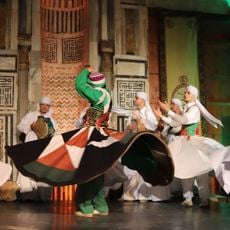
The building sits west of Al-Azhar Mosque and reopened after 2004 restoration with workshops, offices, and performance spaces available to explore. Visitors should expect narrow stairways and multiple levels, typical of medieval construction adapted for commerce.

A marble fountain at the courtyard center provided refreshment for travelers and merchants conducting their affairs. The presence of water signaled wealth and reflected the sultan's generosity toward those using the building.

Location: Cairo Governorate

Location: Cairo

Inception: 1505

Architectural style: Mamluk architecture

Elevation above the sea: 34 m

Part of: Islamic Cairo

GPS coordinates: 30.04567,31.26086

Latest update: December 6, 2025 17:41

Architecture in Cairo: Mamluk mosques, Ottoman houses, and historic cemeteries

Cairo preserves an architectural heritage spanning over fifteen centuries. This collection includes religious buildings, traditional houses, and utilitarian structures that reflect the Fatimid, Mamluk, and Ottoman periods. Mosques such as Sultan Hassan with its 68-meter minaret stand alongside ancient homes with mashrabiya windows, while the 9th-century Nilometer highlights the river's importance in Egyptian society. The route passes through various historic districts, from El Khalifa with its medieval monuments to Ottoman houses from the 16th and 17th centuries like Bayt Al-Suhaymi or those housing the Gayer-Anderson Museum. Aqsunqur Mosque stands out with its Iznik tiles showcasing floral motifs, a legacy of Ottoman influence. The City of the Dead, a cemetery stretching four kilometers, illustrates the continuity between burial sites and inhabited areas. Green spaces like Al-Azhar Park offer views of a dense city where traditions blend with everyday life.

Reviews

Visited this place? Tap the stars to rate it and share your experience / photos with the community! Try now! You can cancel it anytime.

« Wikalet Al-Ghuri - 16th-century caravanserai in Islamic Cairo, Egypt » is provided by Around Us (aroundus.com). Images and texts are derived from Wikimedia project under a Creative Commons license. You are allowed to copy, distribute, and modify copies of this page, under the conditions set by the license, as long as this note is clearly visible.

Discover hidden gems everywhere you go!

From secret cafés to breathtaking viewpoints, skip the crowded tourist spots and find places that match your style. Our app makes it easy with voice search, smart filtering, route optimization, and insider tips from travelers worldwide. Download now for the complete mobile experience.

Around Us App Screenshot

A unique approach to discovering new places

Le Figaro

All the places worth exploring

France Info

A tailor-made excursion in just a few clicks

20 Minutes