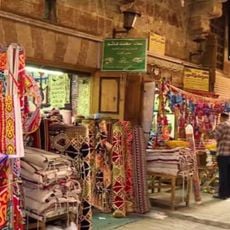
Mahmud al-Kurdi Mosque, Mamluk mosque in Islamic Cairo, Egypt
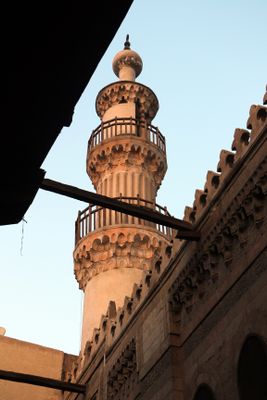
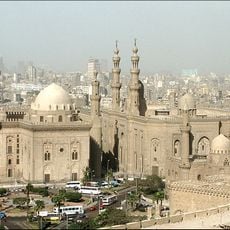
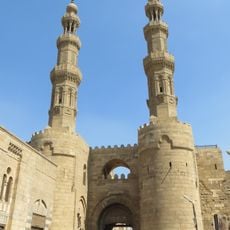
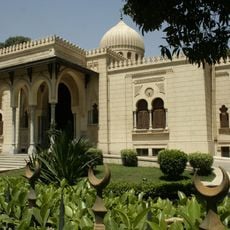
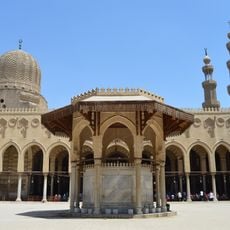
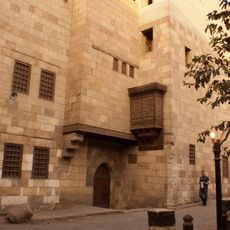
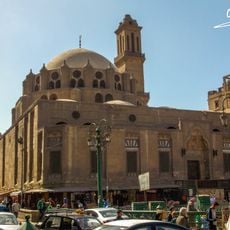
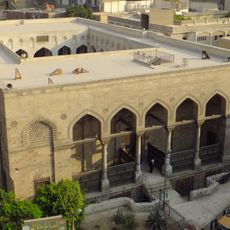
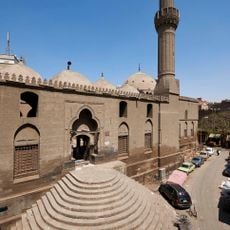
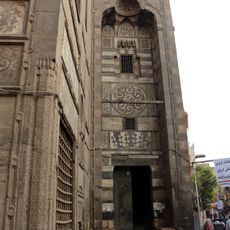
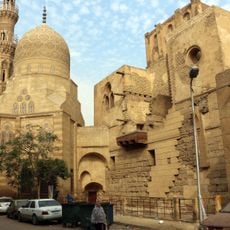
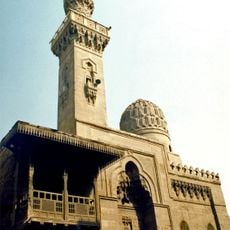
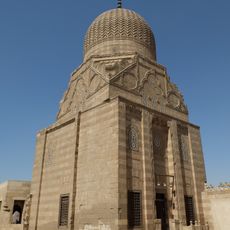
Mahmud al-Kurdi Mosque is a Mamluk-era mosque in Islamic Cairo, Egypt, recognizable by its stone dome decorated with horizontal chevron patterns and eight windows set on a cylindrical drum. The building also has a minaret that stands clearly above the surrounding structures of the neighborhood.
The mosque was built in 1395 by Mahmud al-Kurdi, who held the position of majordomo to Sultan Barquq. It was erected during a period when senior state officials regularly sponsored the construction of religious buildings across the Mamluk Sultanate.
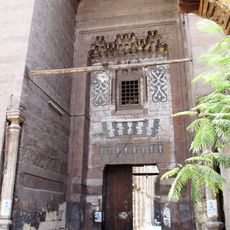
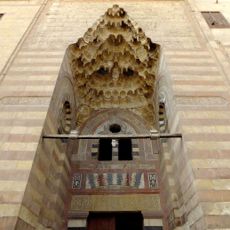
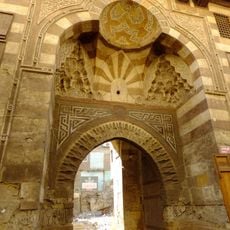
The metal doors are covered in geometric star patterns and arabesque carvings, a style of craftsmanship typical of medieval Islamic buildings in Cairo. Looking closely, you can see how the same decorative approach was applied to both religious and domestic buildings of that era.
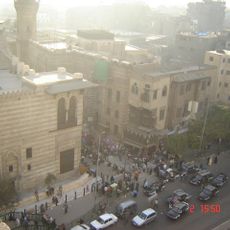
The mosque sits within the walkable historic area of Islamic Cairo, a UNESCO World Heritage Site, so it is easy to visit on foot alongside other nearby monuments. Modest dress is expected, and visiting outside of prayer times will allow for a quieter look around.
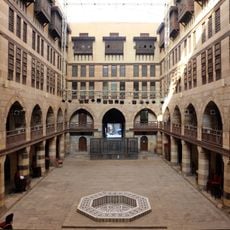
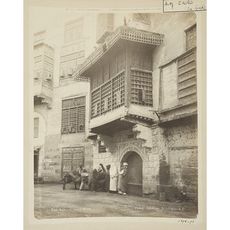
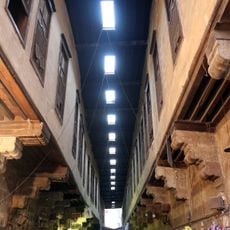
The interior layout looks more like a qa'a, a private reception hall, than a traditional prayer space, which suggests the building may have originally started out as a private residence. This makes it a rare example of a domestic space that was later converted for religious use.
The community of curious travelers
AroundUs brings together thousands of curated places, local tips, and hidden gems, enriched daily by 60,000 contributors worldwide.