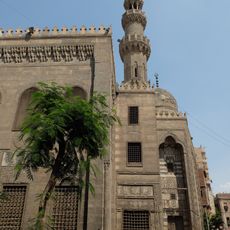
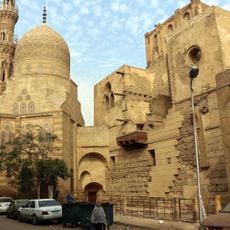
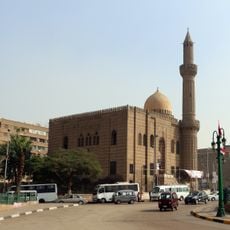
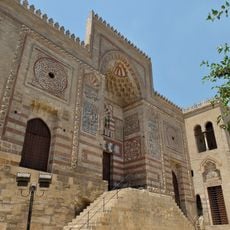
Aqsunqur Mosque, Mosque in Islamic Cairo, Egypt
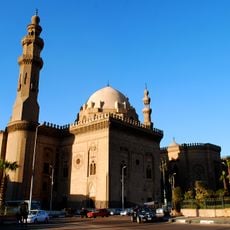
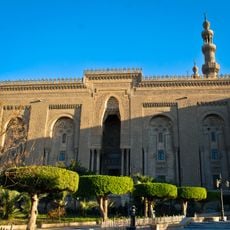
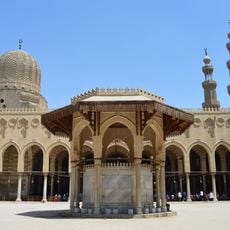
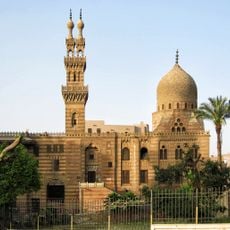
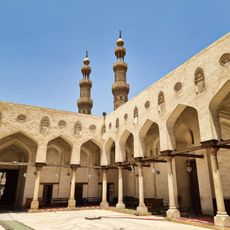
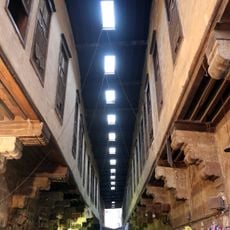
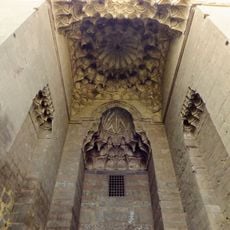
Aqsunqur Mosque is an Islamic house of worship located in Cairo's historic old city with a central courtyard surrounded by covered walkways. The building contains multiple prayer areas connected through different entrances and includes burial chambers dedicated to important figures.
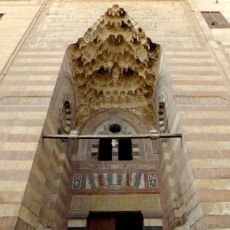
The structure was built in 1347 under Mamluk rule and later underwent significant changes during the Ottoman period in the 1600s. These later renovations left a visible mark on the interior decoration and overall character.
The name "Blue Mosque" comes from the Iznik-style tiles that Ibrahim Agha al-Mustahfizan imported from Constantinople and Damascus in the 1650s, decorated with cypress trees and vases holding tulips. Ottoman custom also renamed the mosque after its restorer, though the name Ibrahim Agha Mosque was rarely used. The complex holds the mausoleums of founder Shams ad-Din Aqsunqur, his sons, children of sultan an-Nasir Muhammad, and Ibrahim Agha.
The mosque welcomes visitors but operates as an active place of worship, so timing your visit around prayer hours is important. Modest dress is expected and you should follow any guidance from staff regarding which areas are open to guests.
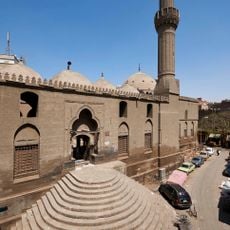
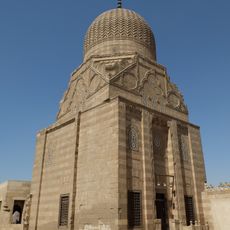
The mausoleum of Sultan al-Ashraf Kujuk, built in 1341 before the mosque, is not aligned toward Mecca like other Cairene tombs but follows the street line, which is why the mosque's plan is irregular. Aqsunqur's own grave and those of his sons lie in the complex.
The community of curious travelers
AroundUs brings together thousands of curated places, local tips, and hidden gems, enriched daily by 94,677 contributors worldwide.