Qanibay Al Ramah Mosque, Historic mosque in Cairo, Egypt.
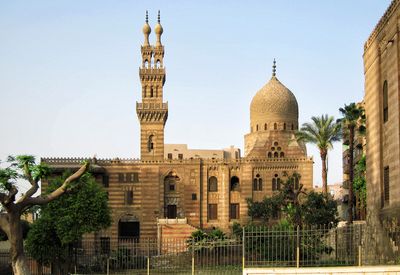
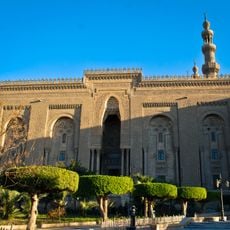
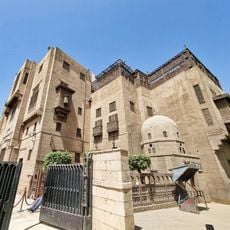
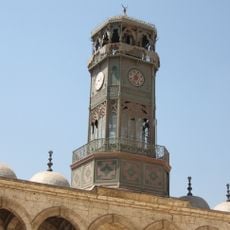
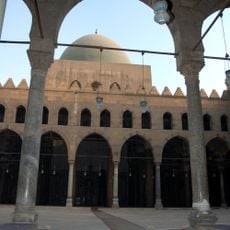
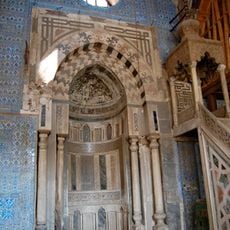
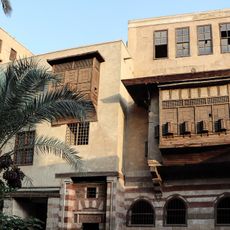
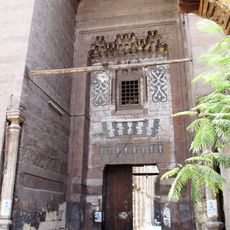
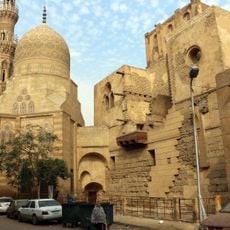
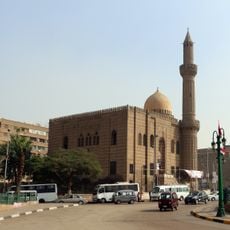
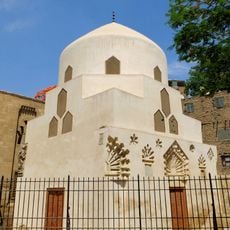
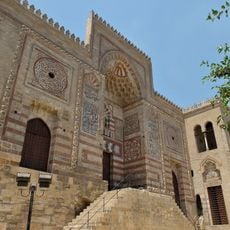
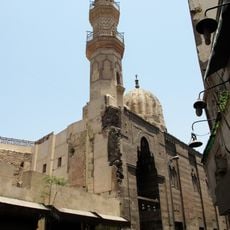
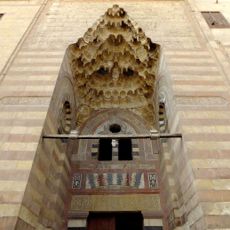
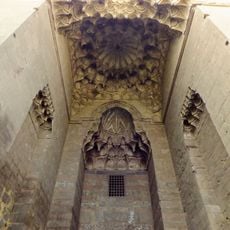
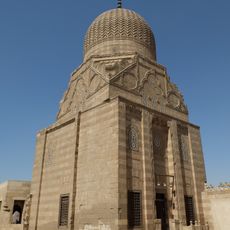
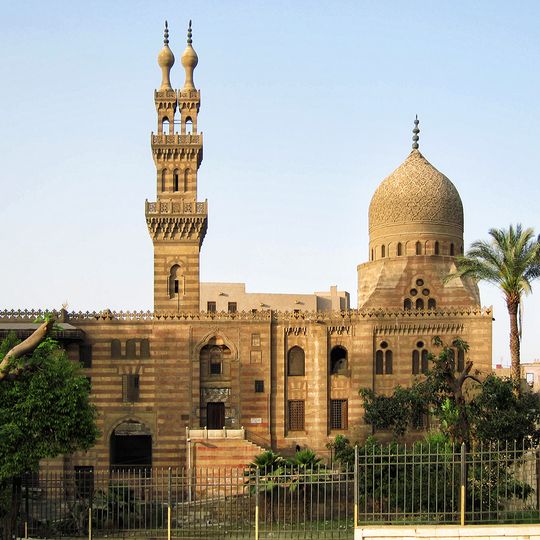
Qanibay Al Ramah Mosque is a stone mosque in Cairo, Egypt, built with detailed carvings and decorative tilework on its facade and interior. The complex also includes a madrasa, a school for religious instruction, and a mausoleum where the founder is buried.
The mosque was built around 1503 to 1504, during the reign of the Mamluk sultan al-Ghawri, one of the last rulers of the Mamluk dynasty in Egypt. The Ottoman conquest in 1517 ended the Mamluk era, making this building one of the final examples of Mamluk religious construction in Cairo.
The mosque takes its name from its founder, Qanibay al-Ramah, a high-ranking Mamluk amir, reflecting how closely political power and religious patronage were tied together at the time. Visitors today can still see the stone carving typical of Mamluk craftsmen, which gives the building a strong visual identity.
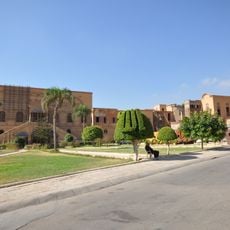
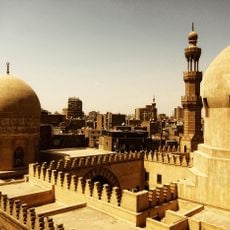
The mosque sits in the historic district of Cairo, within walking distance of other well-known Islamic monuments, making it easy to visit as part of a broader walk through the area. Modest dress is expected inside, and access may be limited during prayer times.
The mausoleum inside the complex was not just a resting place for the founder but also a space where mourners would regularly gather to pray for the dead, a practice that was built into the design of many Mamluk religious complexes. This use of the tomb as an active prayer space made the building function in ways that went beyond a typical mosque.
The community of curious travelers
AroundUs brings together thousands of curated places, local tips, and hidden gems, enriched daily by 92,856 contributors worldwide.