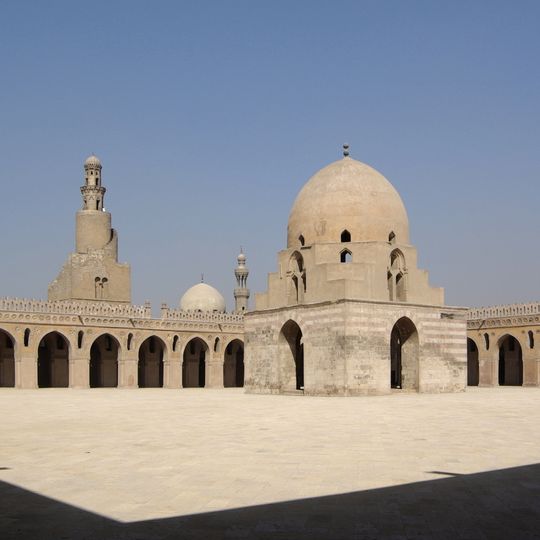
Mosque of Ibn Tulun, Islamic prayer house in Cairo, Egypt
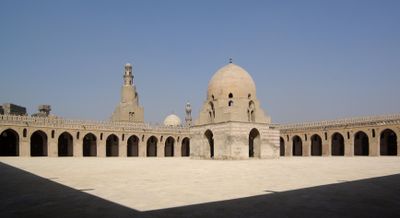
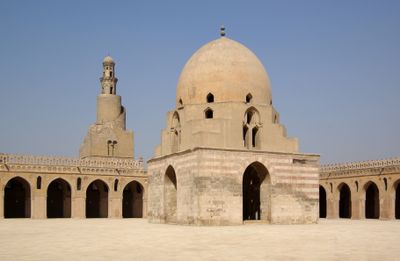
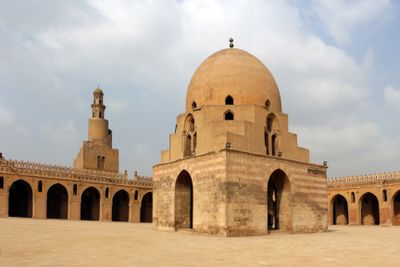
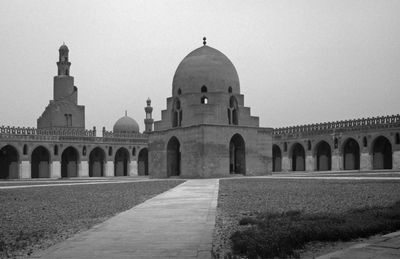
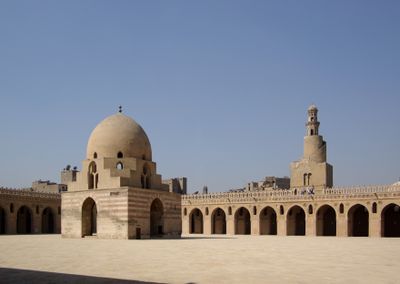
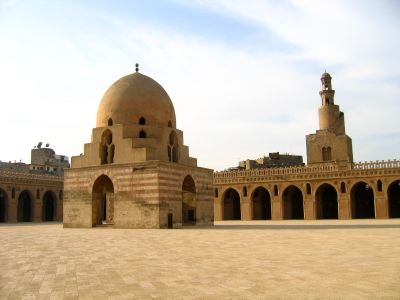
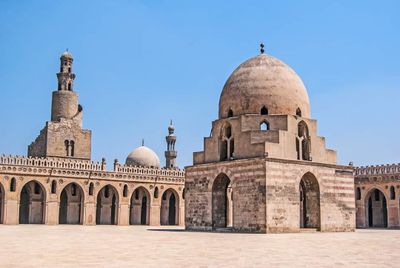
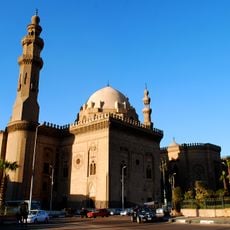
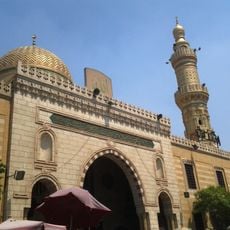
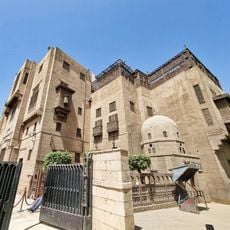
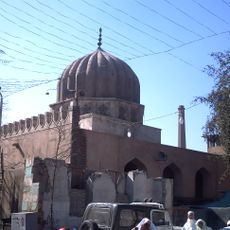
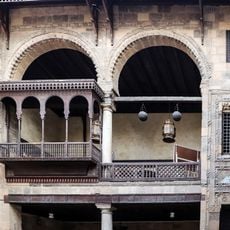
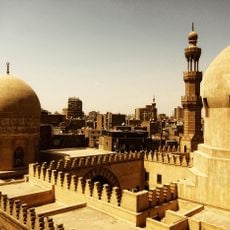
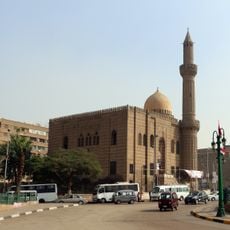
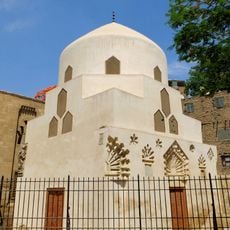
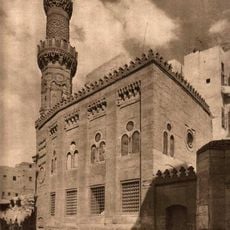
The Mosque of Ibn Tulun is a large prayer house in Cairo with a central courtyard surrounded by four arcaded porticoes and exterior walls featuring pointed arch windows and geometric crenellations. The structure relies on simple yet effective design principles that give the building an enduring character.
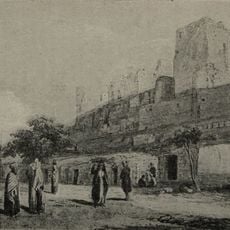
Built in the 9th century by Ahmad ibn Tulun, the Turkish governor of Egypt and Syria, it stands as one of the oldest surviving mosques in the country. The structure has endured through multiple periods and represents a pivotal moment in the region's architectural history.
The interior features elaborate stucco work with geometric patterns that reflect artistic connections to Mesopotamian mosques. These decorations show how creative styles traveled from east to west and became part of this building's identity.
The building is open daily to visitors, with certain areas reserved for prayer and others for exploration. It helps to wear comfortable shoes and check opening times in advance, as these may vary depending on prayer schedules.
The spiral staircase of the minaret is unusual because it is constructed on the exterior of the tower, a rare building method. This design was a practical solution for the architects and makes the minaret a distinctive feature of the entire complex.
The community of curious travelers
AroundUs brings together thousands of curated places, local tips, and hidden gems, enriched daily by 91,766 contributors worldwide.