Canal of the Pharaohs, Ancient waterway in Wadi Tumilat, Egypt
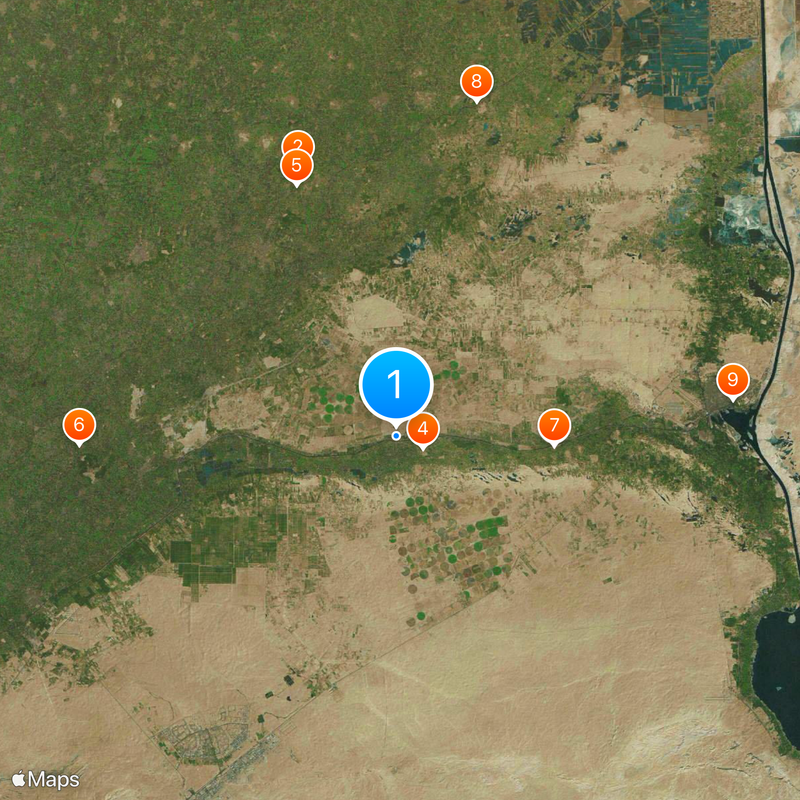
The Canal of the Pharaohs was an ancient waterway that ran from the Nile River through the Wadi Tumilat valley to reach the Red Sea, creating a direct shipping passage. The route allowed cargo and ships to move between regions without having to navigate around Africa or through hostile waters.
Construction of the canal began under Pharaoh Senusret III around 1850 BCE and successive rulers enlarged and improved it over centuries. Darius the Great later documented his restoration work through carved inscriptions, showing how essential this link remained for the eastern Mediterranean world.
The canal linked Egypt to distant trade partners, allowing merchants to move goods between Mediterranean ports and Arabian markets more easily. It shaped how Egyptians saw themselves as builders of connections between worlds.
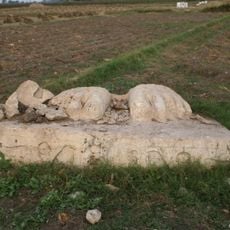
The canal remained navigable from ancient times until the medieval period, offering travelers a shorter route between the Mediterranean and Red Sea regions. Today, only remnants of the original construction remain visible at scattered locations along the Wadi Tumilat valley.
During the Ptolemaic period, engineers created an early lock system to handle the height differences between the Nile and Red Sea waters. This mechanical solution was groundbreaking for its time and reveals how sophisticated ancient water management could be.
The community of curious travelers
AroundUs brings together thousands of curated places, local tips, and hidden gems, enriched daily by 91,662 contributors worldwide.