Pithom, Ancient settlement in Wadi Tumilat, Egypt
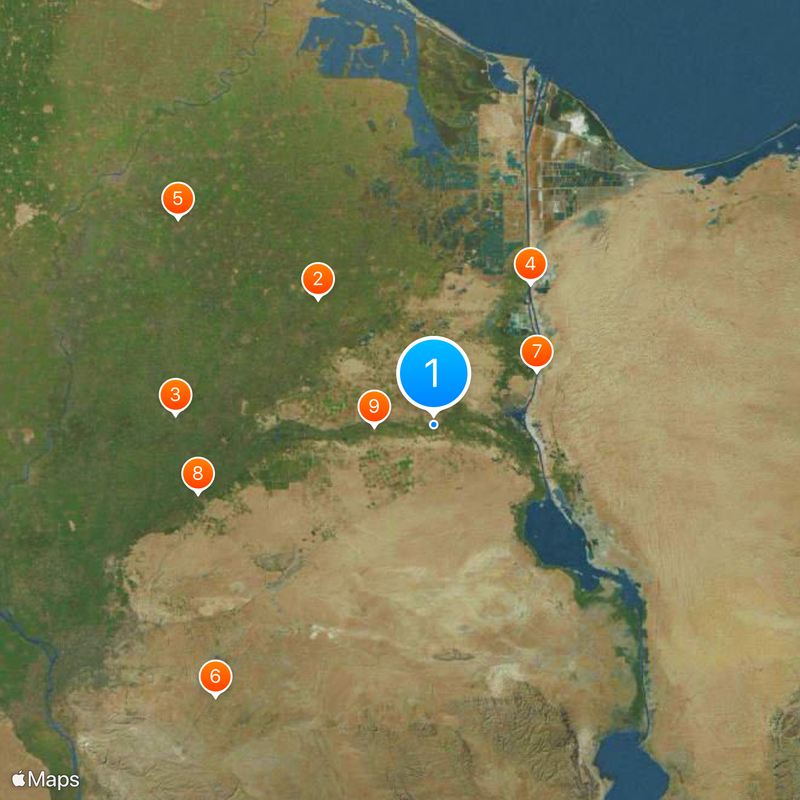
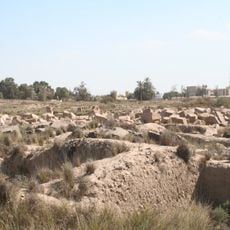
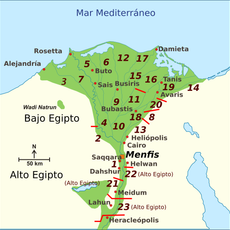
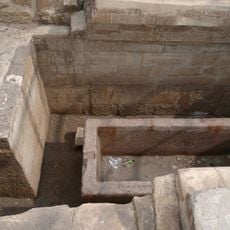
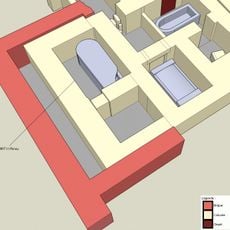
Pithom is an archaeological site in the Wadi Tumilat of the eastern Nile Delta, known today as Tell el-Maskhuta. Excavations have uncovered multiple layers of construction, including mud-brick fortifications, stone storage buildings, and remnants of a temple precinct.
Settlement began in the Middle Bronze Age and reached its peak during the Ramesside period, when the site was developed as a supply center. In the Late Period, the location served as a garrison and trading post along the route connecting the Nile with the Red Sea.
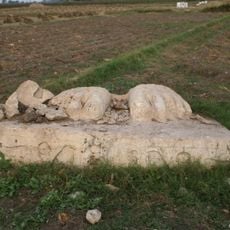
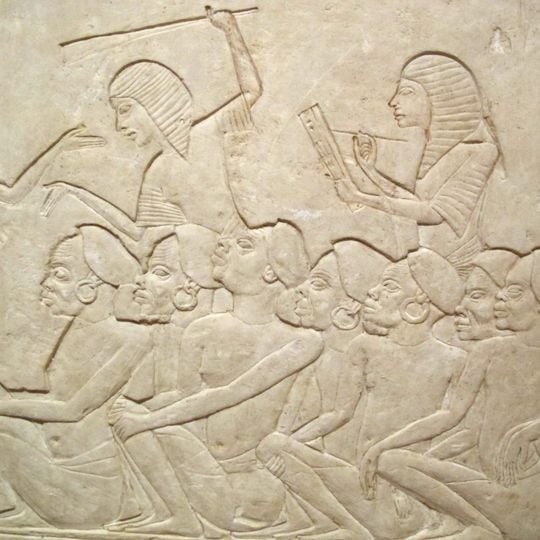
The temple dedicated to Atum served as the religious center of the ancient settlement and was adorned with granite statues and hieroglyphic inscriptions. The remains of the temple complex document the worship practices of the Egyptian population across multiple dynasties.
The site lies in the open desert landscape east of the Nile Delta and requires travel along unpaved access roads. Visitors should bring sufficient water and sun protection, as there are no facilities on location.
Excavations by the University of Toronto between 1978 and 1985 uncovered evidence of intense trade with the Levant and Arabia. Pottery findings demonstrate contacts with Greek settlers during the Late Period.
The community of curious travelers
AroundUs brings together thousands of curated places, local tips, and hidden gems, enriched daily by 90,837 contributors worldwide.