Mendes, Archaeological site in Dakahlia Governorate, Egypt
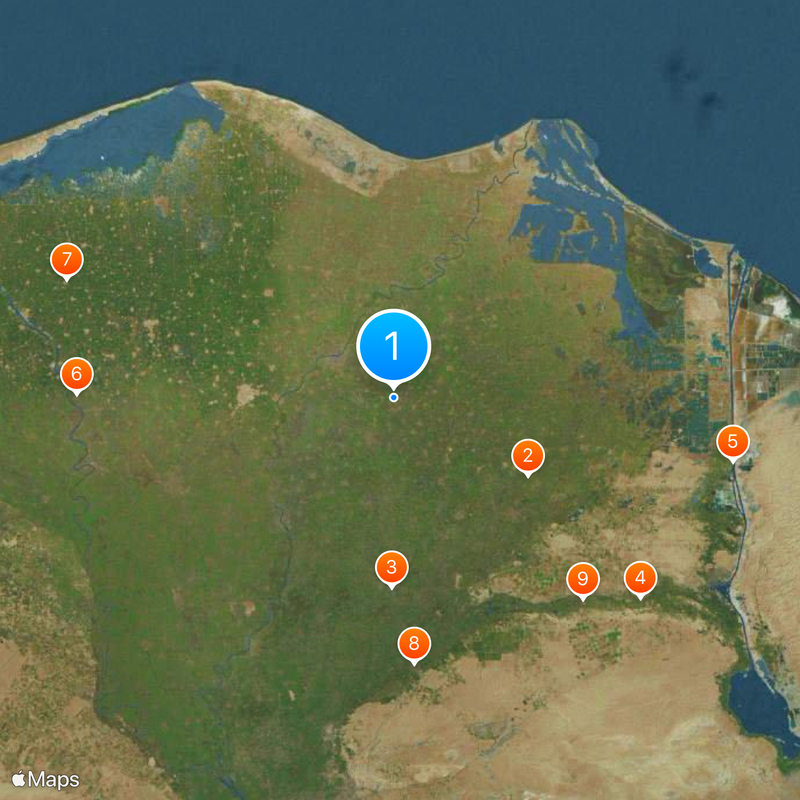
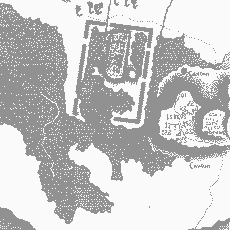
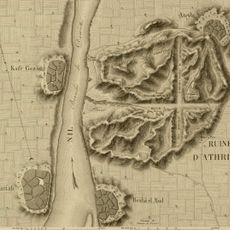
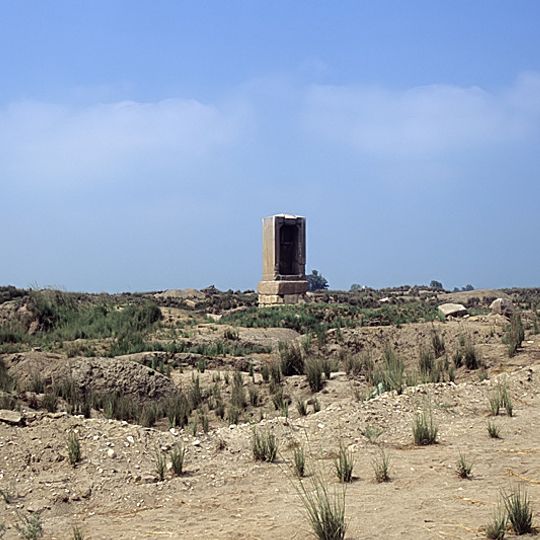
Mendes is an archaeological site in Dakahlia Governorate, Egypt, whose remains stretch across roughly three kilometers in the eastern Nile Delta. The ruins reveal earthen mounds, temple remains and fragments of buildings from pharaonic, Greek and Roman times.
Between 399 and 380 before Christ, the city served as royal seat of the Twenty-Ninth Dynasty and housed four successive rulers. Already in the fourth century before Christ the settlement suffered heavy destruction, but maintained connections to the Mediterranean basin into the Roman era.
People worshipped Banebdjedet, a ram-headed god, and Hatmehyt, a fish goddess, whose cults shaped the life of the city. The ancient name Per-Banebdjedet means House of Banebdjedet and shows how deeply the sanctuary was tied to the identity of the place.
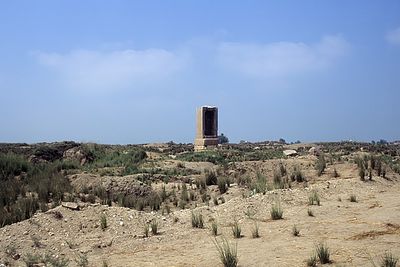
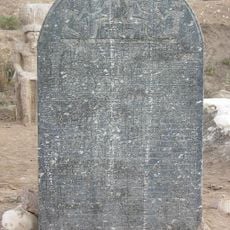
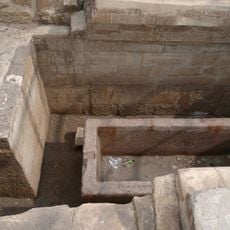
The site sits in the open terrain of the Nile Delta and is easier to explore in dry weather. You can see a standing monolithic naos dedicated to the god Shu, while three other fallen naos structures lie at ground level.
Excavations revealed evidence of a Mediterranean trading hub that remained active well into the Roman period. The harbor structures testify to intense contacts with Greece and Asia Minor, even though large parts of the city were devastated in the fourth century before Christ.
The community of curious travelers
AroundUs brings together thousands of curated places, local tips, and hidden gems, enriched daily by 91,964 contributors worldwide.