Buto, Archaeological site in Kafr el-Sheikh Governorate, Egypt
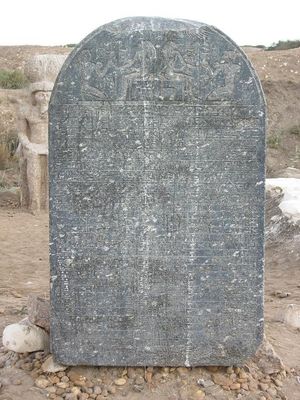
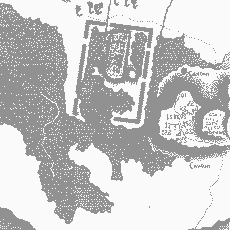
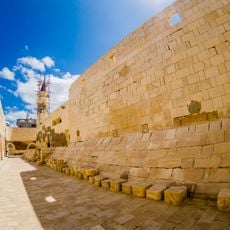
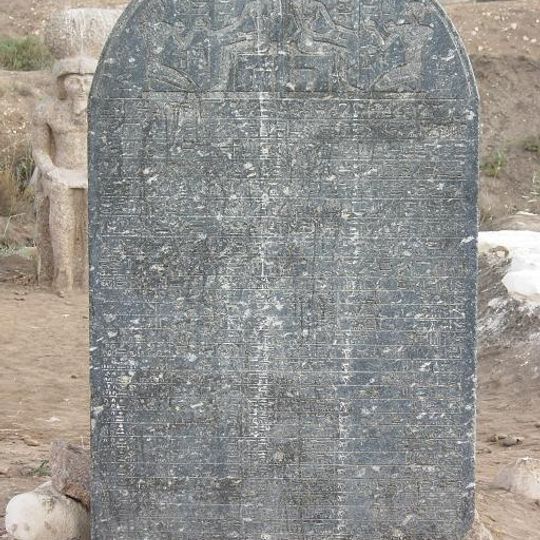
Buto is an archaeological site in the Kafr el-Sheikh Governorate of Egypt, located near the village of Sekhmawy. The site stretches over a wide area with layers from different periods, from prehistoric settlements to Roman-era structures.
The settlement served as an important center in the Nile Delta from the 4th millennium BC and developed into a religious hub for Lower Egypt. Throughout the 1st millennium BC the site remained occupied and continued to be used during the Roman period.
The site takes its name from the ancient Egyptian goddess Wadjet, often shown as a cobra and honored as protector of the Nile Delta. Visitors today can still see remnants of temple areas where this deity was worshipped and where pilgrims came for thousands of years.
The site lies in a rural setting, so sturdy footwear and sun protection are advisable for outdoor exploration. Ongoing research work may limit access to certain excavation areas at times.
Finds from the Roman period reveal pottery workshops whose production methods matched those of Italian manufacturing centers. These workshops demonstrate a surprisingly high technical standard and far-reaching trade connections in late antiquity.
The community of curious travelers
AroundUs brings together thousands of curated places, local tips, and hidden gems, enriched daily by 92,939 contributors worldwide.