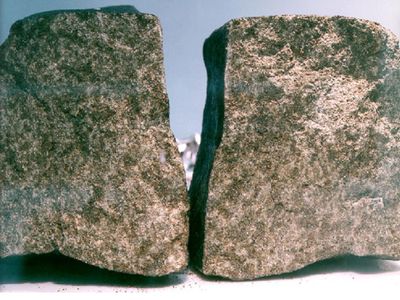
Nakhla meteorite, Martian meteorite in Abu Hommos district, Egypt
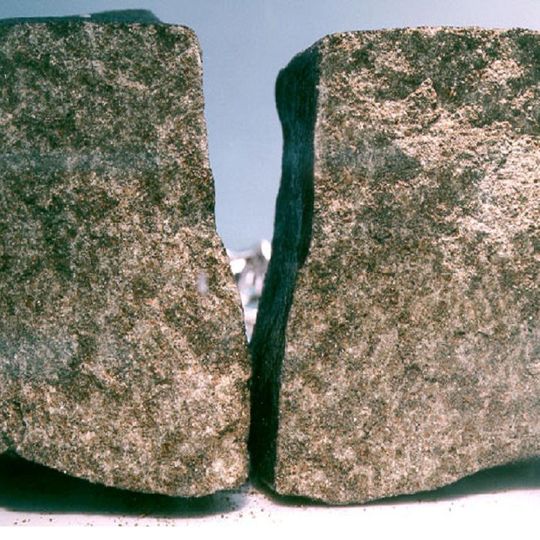
The Nakhla meteorite is a Martian rock that fell near Abu Hommos in Egypt in 1911. The material displays volcanic properties with crystals of augite and olivine that are characteristic of Mars's geological composition.
Multiple rock fragments fell on June 28, 1911, across a wide area in the Abu Hommos region. This was one of the first recorded instances where people witnessed and documented the event, which changed understanding of meteorite impacts.
The meteorite takes its name from the nearby village where it fell. This discovery transformed the location into a significant point in the story of science and continues to draw attention from researchers and meteorite enthusiasts.
The meteorites are now held in museums and research institutions, with significant portions preserved in British collections. Visitors can explore scientific publications and exhibitions to learn more about the composition and research significance of these objects.
The meteorite contains traces of water that once flowed on Mars's surface, particularly visible in its carbonate and water-bearing minerals. This discovery was groundbreaking in the early 20th century for understanding Mars's past.
The community of curious travelers
AroundUs brings together thousands of curated places, local tips, and hidden gems, enriched daily by 91,727 contributors worldwide.