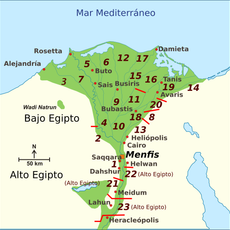
Wadi Tumilat, Archaeological site in Nile Delta, Egypt
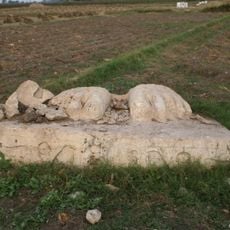
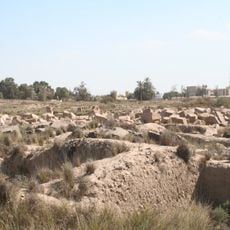
Wadi Tumilat is a dry valley stretching from Abassa to Ismailia with widths ranging from 2 to 6 kilometers through the desert landscape. The valley displays archaeological remains of fortifications, temples, and burial sites scattered throughout, representing multiple periods of settlement and construction.
The region was inhabited from prehistoric times through Roman rule, with sites like Tell el-Retaba and Tell el-Maskhuta dating to the Second Intermediate Period. These ancient settlements developed in a strategic location where trade routes converged between the Nile Delta and regions to the east.
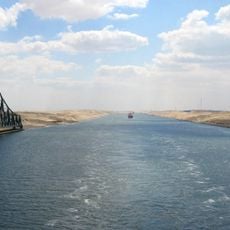
The name Wadi Tumilat refers to a dry valley that served as a transit route between the Mediterranean and Red Sea since ancient times. Visitors can still see traces of this importance scattered throughout the ruins today.
The central section receives minimal rainfall, so ancient inhabitants depended on Nile floods that reached the western portions for water. Visitors should bring plenty of water and wear sturdy footwear since the terrain is uneven with scattered archaeological remains.
Ancient builders developed specialized techniques for making durable mud bricks by analyzing and selecting sediments based on their geological properties. This knowledge shows how early craftspeople used their understanding of local materials to create structures that lasted for millennia.
The community of curious travelers
AroundUs brings together thousands of curated places, local tips, and hidden gems, enriched daily by 90,755 contributors worldwide.