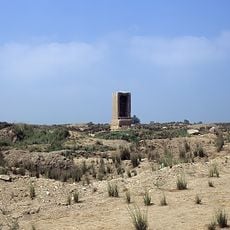
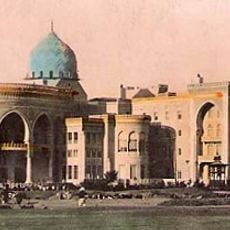
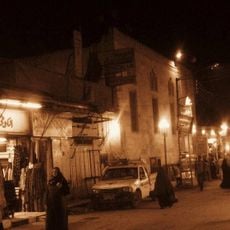
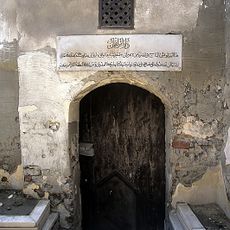
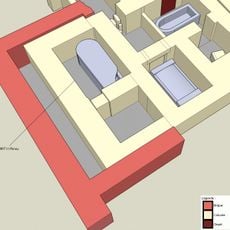
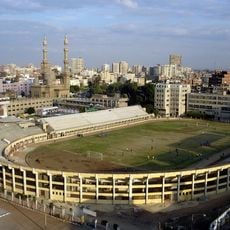
Saft el-Hinna, Archaeological excavation site in Sharqia Governorate, Egypt.
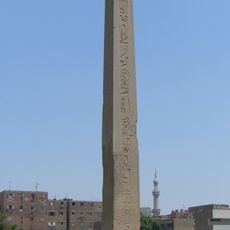
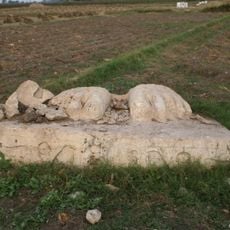
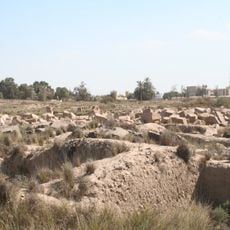
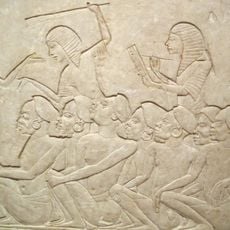
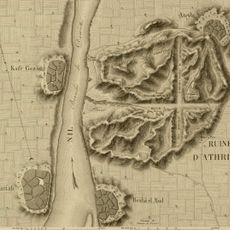
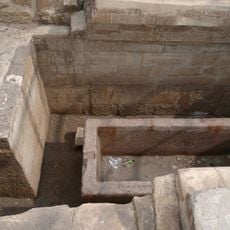
Saft el-Hinna is an archaeological site in Sharqia Governorate containing remains from multiple periods of Egyptian history. The location holds temple walls, religious objects, and structural foundations that indicate sustained settlement and religious activity.
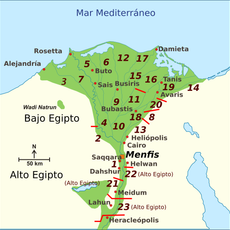
The settlement originated as Per-Sopdu, capital of the 20th nome of Lower Egypt, and persisted through many centuries. Later, during the Third Intermediate Period, it served as one of four Meshwesh chiefdoms before gradually declining in importance.
This site served as a major religious center in ancient times with temples and shrines dedicated to Egyptian deities. The ruins reveal how people conducted spiritual practices here and which gods held importance for their community.
The site is best visited through organized tours from Zagazig, where specialists explain the excavations and findings. It is wise to allow ample time and prepare for uneven terrain, as the archaeological site consists of exposed foundations and partially destroyed structures.
Swiss Egyptologist Édouard Naville uncovered monumental structures built during the reign of Pharaoh Nectanebo I of the 30th Dynasty at this location. His excavations revealed significant architectural works that shaped understanding of this era.
The community of curious travelers
AroundUs brings together thousands of curated places, local tips, and hidden gems, enriched daily by 92,713 contributors worldwide.