Tell El-Dab'a, Archaeological site in eastern Nile Delta, Egypt.
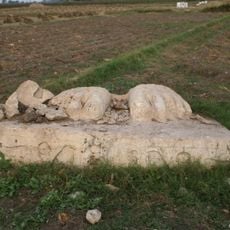
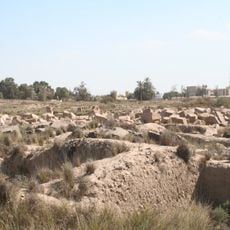
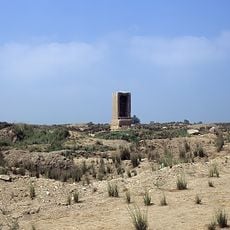
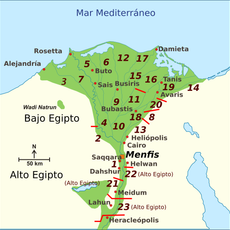
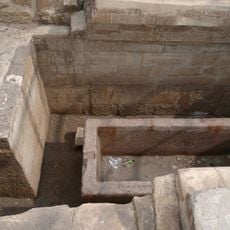
Tell El-Dab'a is an archaeological site in the eastern Nile Delta with remains spread across two square kilometers, including ancient temples, residential buildings, and burial chambers alongside former Nile waterways. The site shows the layout of a major ancient settlement with structures from different periods layered on top of each other.
The site was once Avaris, the capital of Hyksos rulers from 1640 to 1530 BCE, until changes in water channels led to the city's eventual decline. This period marked a major shift in who controlled the region and shaped Egyptian history.
The excavated tombs show a blend of Egyptian and Canaanite building styles with vaulted mud-brick walls holding bronze objects and ceremonial items. This mixing of building traditions shows how different peoples lived together in this place and shared their customs.
Researchers from the Austrian Archaeological Institute use geomagnetic surveys to map settlement patterns and understand how the ancient city grew over time. Visitors should arrange a guide since the site is spread out over a large area and active excavations are still happening.
Researchers uncovered fragments of Minoan frescoes at the site, showing that direct contact existed between Egypt and Mediterranean cultures during this era. These art pieces suggest that trade and cultural exchange happened across long distances.
The community of curious travelers
AroundUs brings together thousands of curated places, local tips, and hidden gems, enriched daily by 91,837 contributors worldwide.